3 min read
Living rooms are the hearts of our homes, offering a place to gather, entertain, relax—and, well, live. Typically, reflective of the values we hope to embody, this space is meant to feel inviting, serving as an unofficial introductory point to our lifestyles. So, it makes perfect sense that we might want to curate it.
But in your quest to perfect your floor plan through design, you’re bound to make a few mistakes. Decorating choices that once seemed stylish or fun now feel tired and even tacky. We asked the experts for their thoughts, and here are the four tackiest design mistakes you might not even know you’re committing.
Matching Furniture Sets

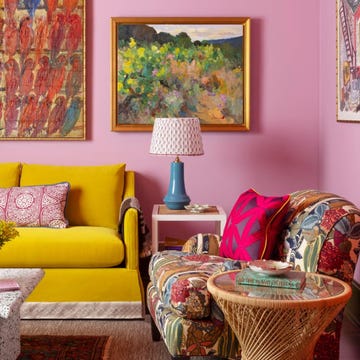
While you may think matching sets say “cohesion,” what they really say is “wholesale,” and not in a good way. Interior designer Phoenix Grey doesn’t mind a matching bed and nightstand set, but in the living room, he suggests ditching the matching modulars and going for a more curated ensemble instead. Combining textures, fabrics, and colors of a similar thread can seriously elevate your space, giving off a more intentional, professionally designed flair.
“When you rush to fill every corner, you tend to tire of those choices just as quickly,” Grey says. “I always encourage leaving a few areas intentionally unfinished. It gives you the chance to actually live in the space first, understand how it functions, and figure out what it truly needs. Sometimes it’s as simple as shifting furniture in an awkward corner, other times it’s finding that one perfect piece of art that ties everything together in a way you couldn’t have planned from day one.”
Word Art

While many seek out details to ensure their home designs match their personal values, you don’t actually have to write them on the wall. We’ve all seen the metal, wood, and canvas signage that people proudly mount on their walls to remind family members and visitors alike of what’s most important to them. Whether it’s a rose gold “love” or a rustic wooden “family,” Grey says it’ll ruin any room in your home.
Themed Decor

It’s one thing to embrace an aesthetic, but it’s another to take on a theme. Channeling a certain aesthetic means pulling together core elements that inspire you and combining them into your design. Much like the issue with matching furniture sets, taking on a theme can result in a lack of intentional choices. For example, if you’re embracing a jungle theme, you buy every cheetah print item you can find.
Themed rooms focus more on collection rather than curation, leaving them with a rubber-stamped, tacky aftertaste that designers can’t stand.
“I personally hate the word theme. It always feels a little try-hard. Like the space is working overtime to convince you it’s something it’s not, and it almost always ends up feeling forced. An aesthetic, on the other hand, is a great starting point,” says Grey.
But design doesn’t start and end at an aesthetic, which Grey describes as the “bones of a space,” but rather, it serves as the sounding board for what you’re truly trying to achieve, a concept.
“A concept is about a feeling, an atmosphere, something you experience rather than something that’s being spelled out for you. That’s always my goal when designing a space. The best interiors are the ones that leave a lasting impression, and nothing does that better than a feeling you can’t quite put your finger on,” Grey says.
Fake Plants

Not everyone has a green thumb, and that’s fine. Don’t try to fake it with faux pots. According to Grey, plastic palms are one of the worst design mistakes you can make.
“When it comes to faux plants… they’re kind of everything I don’t love, all wrapped into one leafy imposter. Yes, I’ll admit, some of the newer ones with silk leaves can fool you for a solid two seconds. But then you realize… she’s not alive, she’s just performing,” Grey says. “The whole point of bringing plants into your space is that biophilic connection, that sense of life, growth, and change. A real plant doesn’t just sit there looking pretty. It evolves with your home. Yes, they take a bit more effort, but let’s be honest, anything that feels truly luxurious usually comes with some maintenance.”
When those bright green leaves are coated with a dusy gray cast, your whole space takes on an air of neglect. Ditch the plastic in favor of one of these (real!) low-maintenance houseplants instead.