3 min read
We’re spending more time in our homes now than ever. As work and daily life continue to overlap, a noticeable shift in home design is underway, with spaces diversifying to feel equally as personal as they do transportive and indulgent.
Designers are watching this phenomenon unfold in real time, working with clients to transform their homes into a thoughtfully curated collection of spaces that don’t just look good, but feel impossible to leave.
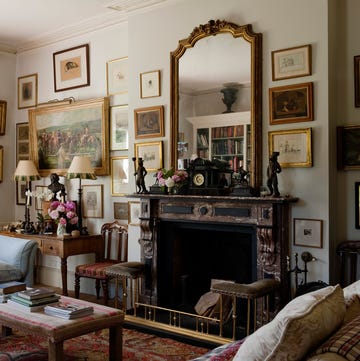
Dubbed the “clubhouse effect,” this approach borrows from the best elements of private members’ clubs and boutique hotels, then brings them home. Think: plush textures, layered lighting, built-in rituals, and layouts that invite you to stay a little longer. Here’s how designers are making it happen.
Lean Into Layers

For Andrew Suvalsky, owner and director of Andrew Suvalsky Designs, creating that “members’ lounge” feeling starts with materials that feel as good as they look.
“Frequently, my clients request that the design feels like a luxe hotel—rich, loungy, and slightly transportive, like an exclusive club,” he says. “We create that intimacy through plush finishes such as velvets, thick wall-to-wall carpeting, upholstered wall panels, and well-tailored draperies.”
From there, it’s all about layering. Deeper tones help enhance the mood, while details like an expressive art series across multiple walls, plush throw pillows, and even a fur area rug add glam and depth. The result is a space that feels immersive, one you want to settle into, not just pass through.
Create Intimate Moments

According to Kate Pearce of Kate Pearce Vintage, the key to designing spaces people linger in is rethinking how furniture is arranged. “With so many of us still working from home, people are craving impeccably designed spaces for both lingering after work and focusing during the workday,” she says.
Her approach centers on creating cozy seating clusters rather than pushing furniture up against walls. Curved sofas and banquettes help define conversation-friendly zones, while breakfast nooks become surprisingly versatile hubs—equally suited for working, entertaining, or unwinding with a book.
“I love to incorporate vintage pieces, original art, and heirlooms to create a sense of history, spark conversation, and build character,” Pearce adds. “Even a breakfast nook in the home feels like a curated club lounge when every piece has a story.”
Elevate Everyday Rituals
Luxury doesn’t always mean adding more—it often means refining what’s already there. That’s the philosophy behind Lauren Behfarin, founder of Little Room Supply.
“One of my favorite ways to bring that ‘member’s lounge’ feeling into a home is through thoughtful layering in everyday spaces,” she says. In bathrooms, that might look like clean, crisp white towels folded neatly on an open shelf—one for your hair, one for your body—alongside small rolled face towels by the sink. It’s a simple detail, but one that makes daily routines feel more intentional and indulgent.
She also emphasizes concealed storage, like built-in hampers, to reduce visual clutter and create a more serene environment. “And finally, I love adding extra seating wherever possible,” she says. “A plush chair in the corner of a bedroom or even a quiet nook transforms the room into more than just a place to sleep; it becomes a place to pause.”
Bring in Bar-Style Living

For designer Jeff Andrews of Jeff Andrews Design, the clubhouse effect is as much about function as it is about atmosphere. In a Pacific Palisades home overlooking a golf course, he designed a lower-level space that acts as a private clubhouse for the homeowners—complete with multiple seating areas, mounted televisions, and a full-size bar.
“This space is made for entertaining, but it is also a private refuge for the homeowners,” he explains. “From morning espresso rituals to evening aperitifs, home bars and beverage centers are emerging as a new hallmark of a well-appointed home.”
Increasingly, these features aren’t limited to the kitchen. Built-in coffee systems, undercounter refrigeration, and beverage centers are making their way into offices, gyms, closets, and even theater rooms. “It’s convenience and luxury, poured with intention,” Andrews says.
Design Spaces That Beckon
At its core, the clubhouse effect is about creating homes that feel personal, layered, and deeply livable. It’s less about formal entertaining and more about everyday rituals—morning coffee, afternoon work sessions, evening wind-downs—done in spaces that feel considered and comfortable. Because the most luxurious rooms aren’t just the ones you admire. They’re the ones you never want to leave.