5 min read
Tile can be deceptively hard to clean. It's easy to assume that a weekly mop of the bathroom or kitchen floor is enough to keep it up—that is, until you look down one day and notice that the floors look grimy, aged, and frankly like they might be growing mold despite your frequent upkeep. Turns out, cleaning the grout in between the tiles is just as important as mopping, and it calls for a completely different strategy.
Curious about how to clean grout so your floors look their best? You've come to the right place. With a little bit of grout cleaner—and some elbow grease—you can get your tile floors looking brand new (or at least much better) in an afternoon. There are practically endless ways to clean bathroom grout, so we're going to walk you through two of our favorite methods. One uses store-bought cleaner, and the other relies on an easy (and effective) DIY formula you can make in seconds. So grab your gloves, put on a playlist, and let's bring your tile back to life.
How Often Should You Clean Tile Grout?

The frequency with which you clean depends on the location of the grout (like whether it's in a bathroom, on the kitchen floor or backsplash, or in a mudroom) and how often the area gets used. As a general rule of thumb, you should deep-clean grout at least once a month, and more frequently if it's in a moisture-heavy area, like a shower. Because grout is typically light in color and porous, it can stain easily if exposed to dirt or food. To prevent stains from setting in permanently, clean up major spills right away.
Resealing grout is different from cleaning grout. Tile grout needs to be deep-cleaned and resealed every few years, depending on the frequency of use. The floor in a guest bathroom that gets used once or twice a month won't need to be resealed as frequently as a kids' shower that gets used four or five times a week.
How to Make a DIY Grout Cleaning Solution
One of the best (and easiest) ways to clean grout is actually hiding in your kitchen pantry. That's right, good old baking soda is about to be your secret weapon for restoring your grout to its original stain- and mildew-free state, not to mention its original color (which may be so long gone, you don't even remember it). When combined with hydrogen peroxide and applied with a stiff-bristle brush, baking soda acts as a cleaning paste, penetrating the pores of the grout and working to lift years' worth of stains and grime.
To make your DIY solution, combine two parts baking soda with one part hydrogen peroxide and stir into a paste. If you're working in an area where the grout has also been exposed to grease, like in a kitchen, you can add a few drops of grease-fighting dish soap, like Dawn.


How to Clean Grout Using a DIY Grout Cleaning Solution
Cleaning grout is a relatively simple and straightforward process, but it requires a bit of elbow grease and time. Plan to set aside at least an hour to clean tile grout, depending on the size of the tiled area. The solution will need to sit for a while, so pick a time when you won't need to use your kitchen or bathroom.

Step 1: Prep the Surface
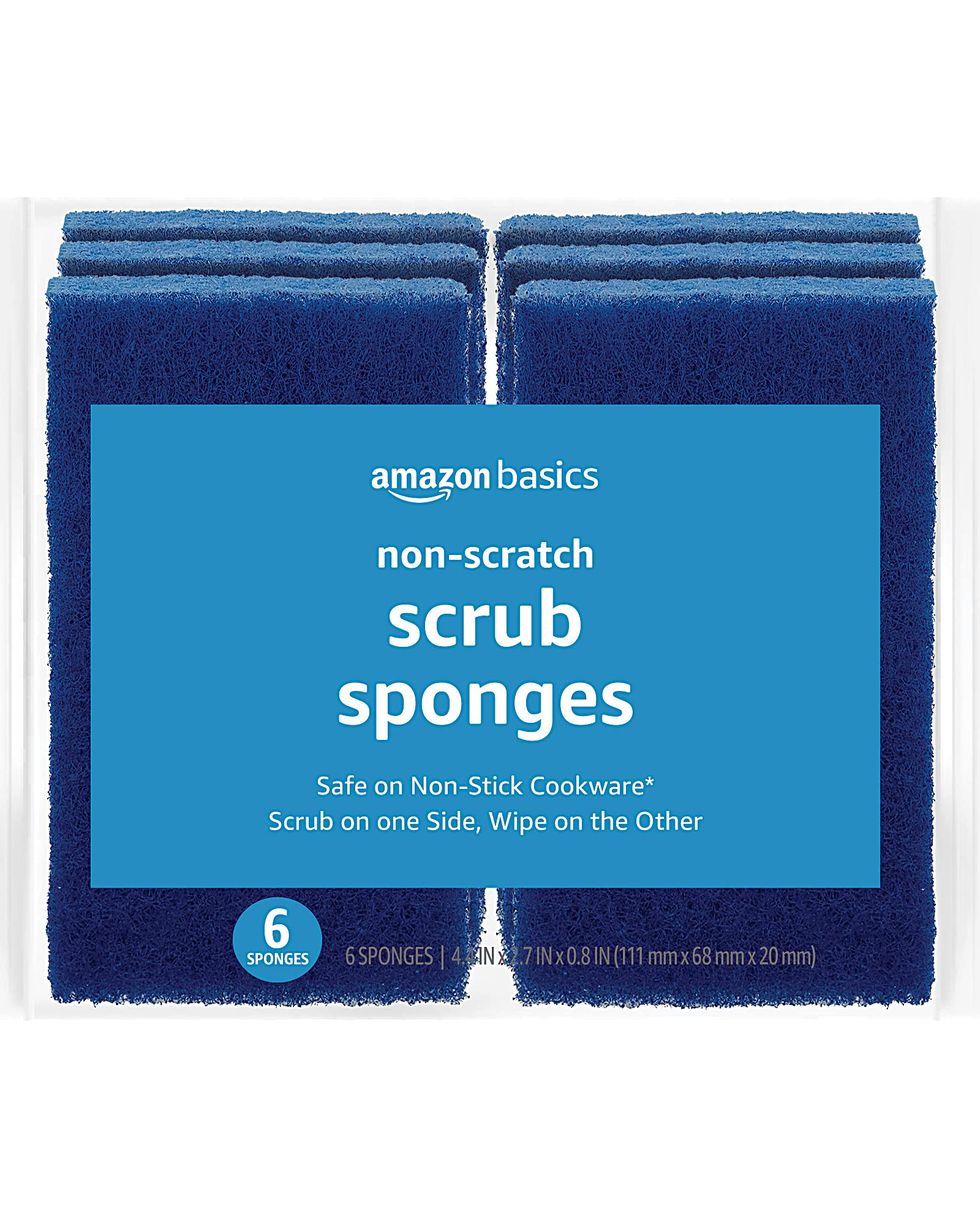
Before you clean your grout, you want to remove as much excess dirt and grime from the surface of the tile as possible. Grout is porous, so it will soak up any dirt you stir up as you clean; you'll basically undo your hard work if you don't tackle the superficial stuff first. Use gentle dish soap, water, and a sponge to wipe the surface clean. Let it dry completely before moving on to the next step.


Step 2: Apply the Cleaning Solution
Mix your DIY grout cleaning solution and apply it liberally to the grout lines, starting with a small area (a two-squar-foot area is easy to manage). Using a gloved hand, rub the paste into the grout with your fingers. Allow the paste to sit and penetrate the grout for at least 10 to 15 minutes; longer is fine too.
PSA: Vinegar is often touted as an all-purpose cleaner, but you don't want to use something as acidic as vinegar on grout. It can weaken and damage the grout. It can also etch natural stone tile, such as marble, granite, or limestone. Avoid any DIY grout cleaning recipes that call for vinegar.

Step 3: Scrub the Grout Thoroughly
After you've let the DIY cleaning paste to sit for a bit, it's time to scrub the mixture into your grout using a stiff-bristle brush (often sold as a tile or grout brush); a clean toothbrush works just as well. As you scrub, you should begin to notice the grout returning to its original color—you may even notice the paste taking on a slightly brown tinge as it picks up dirt. Don't scrub too hard; grout is actually a pretty soft material. It holds your tile together and works to prevent leaks, so you don't want to weaken it.

Step 4: Wipe Away the Paste and Give the Grout One Last Clean
Once you're satisfied with the color and cleanliness of your grout, wipe the paste off the grout lines using a clean, damp sponge or cloth. For good measure, clean your tile and grout one last time using a mild dish soap or tile cleaner.
Other Methods for Cleaning Grout

If you don't want to go to the trouble of concocting a DIY grout cleaning solution at home, there are plenty of store-bought cleaning solutions that can help you restore your grout to peak condition (our favorites include The Pink Stuff and Zep Grout Cleaner and Brightener). When using a store-bought grout cleaner, always follow the package instructions and test the method on an inconspicuous corner of tile/grout before cleaning the entire floor or wall. Check the label to ensure it's fine for your tile material too. Steam cleaning is another great way to clean bathroom grout without chemicals. The steam loosens the dirt, making it easier to scrub away with your brush.
WHEN TO REPLACE TILE GROUT
There are some instances where no amount of cleaning can resurrect your grout. If you notice that the grout between your tiles is chipping away or caving in, it's time to regrout the entire area. Leaving the grout as-is without properly repairing or refinishing it can lead to movement in the tiles and even more serious long-term issues, like water damage.