7 min read
I've called several cities home over the years, but none has ever matched my love for my hometown, Washington, D.C. I make it back regularly, and with each visit, I’m so surprised by how the city has gradually transformed into an even more vibrant destination. My next return is for the Fourth of July—a tradition I look forward to and celebrate year after year.
Summer isn't exactly the ideal season to visit the nation's capital. The heat is intense, the humidity is relentless, and mosquitoes appear as soon as the sun begins to set. Even so, I can't think of a better place to watch Fourth of July fireworks than the National Mall. As I prepare for this year's trip, I thought I'd round up some of my favorite places to eat, sip, stay, shop, and explore.
Consider this your guide to the best spots in an undeniably hot city that only gets better with time.
Where to Eat and Drink
Joe's Stone Crab

Anyone from (or who frequents) Miami may raise an eyebrow at this recommendation since the original Joe's Stone Crab is in Miami Beach, but I go to the D.C. location every Fourth of July and have to admit, it rivals the Florida one. Known for its seasonal stone crabs, Joe's is a great place to enjoy an extravagant meal before the fireworks, which, if you're watching from the Mall, are about a seven-minute walk from the restaurant. Pro tip: If you don't eat shellfish, go with the fried chicken. It's the best here.
Rooster & Owl

I wish I could recommend a dish to try here, but Rooster & Owl follows a hybrid of shared plates and a tasting menu format, so every time I've been, the menu has been completely different. I will say, though, the best dish I've ever had was at this restaurant: Grilled carrots with Carolina barbecue sauce and cornbread ice cream. Yes, you read that right (and it wasn't even the dessert course!). The feel of this place, which is on U Street, a very happening area of Northwest D.C., is homey and intimate. It's never loud or fussy.
Millie's
You can get incredible food at Millie's any time of day, but if you're a brunch person like I am, go before noon on a weekend. It's easy to get to (and easy to park at) because it's right off of Massachusetts Avenue in the Spring Valley neighborhood, meaning it's closer to Bethesda and Chevy Chase than it is to downtown Washington. The interior has a very nautical, beachy feel with white-painted walls and a gorgeous canoe hanging upside down from the ceiling.
Even though I'm making it sound quite campy, it doesn't go overboard (pun intended) on the kitschy decor. In fact, it's actually a very quiet, sophisticated place for brunch. However, if you go on a weekend, you will definitely be seated between families with young children still learning to use their inside voices. As for the menu, you'll find more seafood than anything else, so spring for the lobster rolls or crab cakes. Otherwise, do the Tuckernuck taco with steak. It's truly divine.
Where to Stay
The St. Regis Washington, D.C.

If you're familiar with the St. Regis, which is owned and managed by Marriott International, you already know that it's not a casual neighborhood spot. It is perhaps as luxurious as luxury hospitality gets, but it's well worth it, especially if you love staying in a historic building. The structure was built in 1926, and it sits mere blocks from the White House, which means it's walking distance from fireworks and the National Mall. From afar, it kind of looks like an early 20th-century English dollhouse because it's perfectly symmetrical and boasts immaculate landscaping in the front. The inside, namely the lobby, also has a very old-school look to it (you'll see a lot of mahogany and velvet in here), but the rooms are bright, light, and airy, with incredible views of the city.
The Graham Georgetown

If you want to wander up and down cobblestone streets while you shop and nosh, The Graham Georgetown is a great place to hole up. I'll get into the neighborhood of Georgetown later on, but for now, this is all you need to know: Nearly every single building in the 35 blocks the neighborhood encompasses is historically protected and expertly maintained, making it the absolute cutest spot to explore. Back to the Graham, though: It originally opened in 1962 as Hotel Monticello but went a bit defunct, underwent a severe and much-needed renovation, and reopened as the charming Graham in 2013.
You'd never really know it was a hotel if you were just strolling by, as it's a large brick building with a pretty subtle entrance. However, what it lacks in ostentatiousness, it makes up for in quaint luxury. There are only 57 guest rooms, so you kind of feel like you're staying in a very beautiful boarding house more than a resort. The Alex, the hotel's resident restaurant, really takes you back to the 1960s with its dark, moody feel.
Riggs

The Riggs is literally across the street from my favorite museum in the country, the National Portrait Gallery. If you ever need to unplug and escape to somewhere quiet and serene, get a coffee and take a seat in the atrium. The ceiling (which is actually a glass-domed sunroof) is 70 feet high, so it feels like you're outside but with air conditioning. The Riggs boasts the same sophisticated feel (though maybe less minimalist) as the gallery, probably because it was originally built in 1891 as a bank. Back in its day, it was nicknamed the Bank of Presidents because it handled the personal finances of a whopping 23 U.S. presidents.


Today, it still feels like a very grand, but perhaps less intimidating. It's been renovated for 21st-century life—worry not. Be sure to spend some time in the lobby, which is the part of the hotel that most closely resembles the Richardsonian Romanesque architecture of the original building. Your neck may hurt from admiring the extremely detailed curved ceiling, but it's worth it.
Where to Shop
Peace & Plenty
Full disclosure: Peace & Plenty is by appointment only, but it's well worth it. The incredible design team curates the most amazing antiques from around the world. Think auctions, estate sales, European flea markets, and more. I actually bought the most adorable glass jewelry box from here in 2015, and it currently lives on my nightstand. I look at it and admire it every day. Plus, unlike some other antique shops, this one is very organized, and each piece has a special backstory that the store owners and associates know by heart.
Manse
Prepare to get lost in this Georgetown shop that was born during the pandemic. This is a homeware and lifestyle boutique that carries only one-of-a-kind and artisan-made goods. The only way to shop is in person because the collection changes pretty much daily. Think whimsically hand-painted ceramics, tiny midcentury table lamps, and even beautiful cleaning products. You really can't go wrong in here.
Pillar & Post
I wouldn't describe my style as particularly Anglophile-esque, but every time I am in this store, which is also in Georgetown, I am tempted to buy a vintage Union Jack. The sizable shop sells all British antique furniture and decor, in addition to a few modern home accessories, such as barware, linens, ceramics, and home fragrances. Everything, though, is from across the pond.
Where to Explore
National Mall
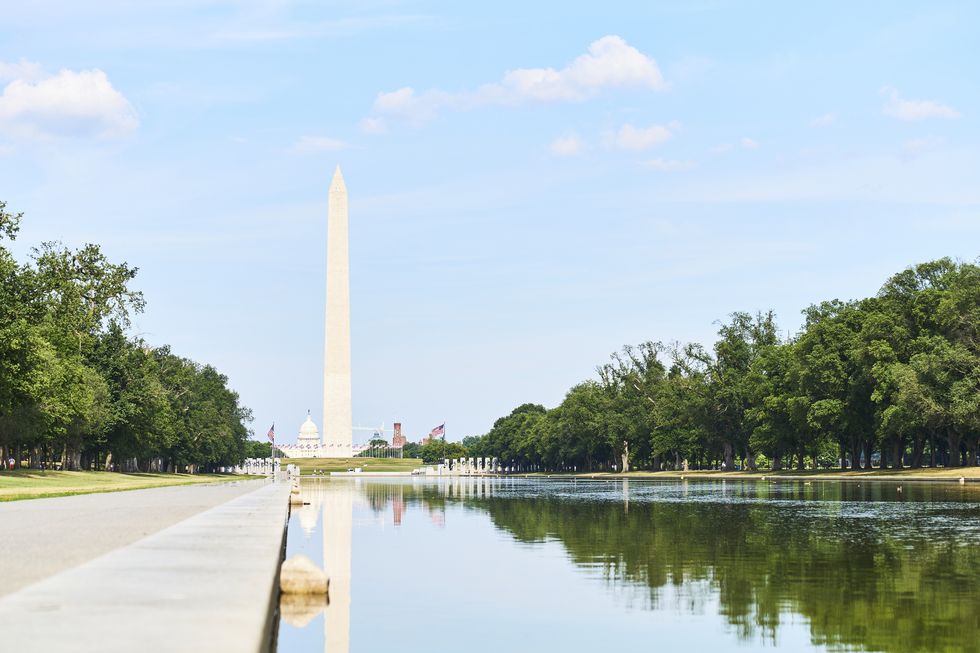
If you're concerned about getting in your 10,000 steps, start at the National Mall, which encompasses 146 acres. You probably won't have time to discover all of the historic structures here, but try to sneak in a few because there are a lot of amazing pieces of history to take in, including the Washington Monument, Lincoln Memorial, Jefferson Memorial, World War II Memorial, Korean War Veterans Memorial, Vietnam Veterans Memorial, Franklin Delano Roosevelt Memorial, and the Martin Luther King, Jr. Memorial. There are also a handful of Smithsonian museums nestled within the National Mall, which brings me to my next suggestion.
Smithsonian Museums
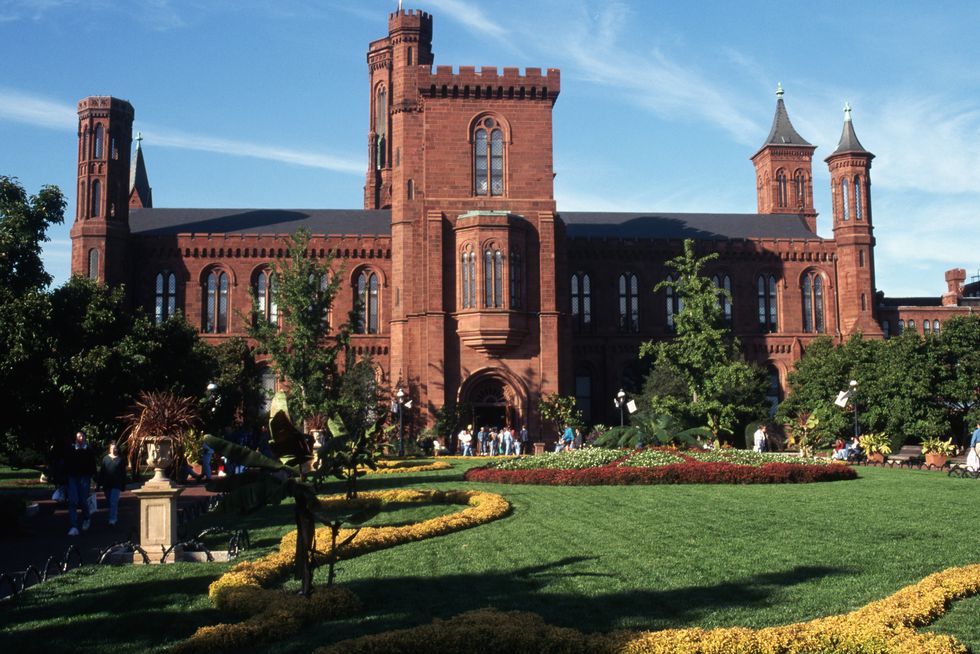
One of the best elements of Smithsonian museums is the fact that they're free (most of them, anyway). When it comes to the Smithsonian, most of them are in the National Mall, so if you're already there, check out any of the following: the National Museum of American History, the National Museum of Natural History, the National Air and Space Museum, the National Museum of African American History and Culture, the National Museum of the American Indian, and the Smithsonian Institution Building (also known as the Castle).
Georgetown
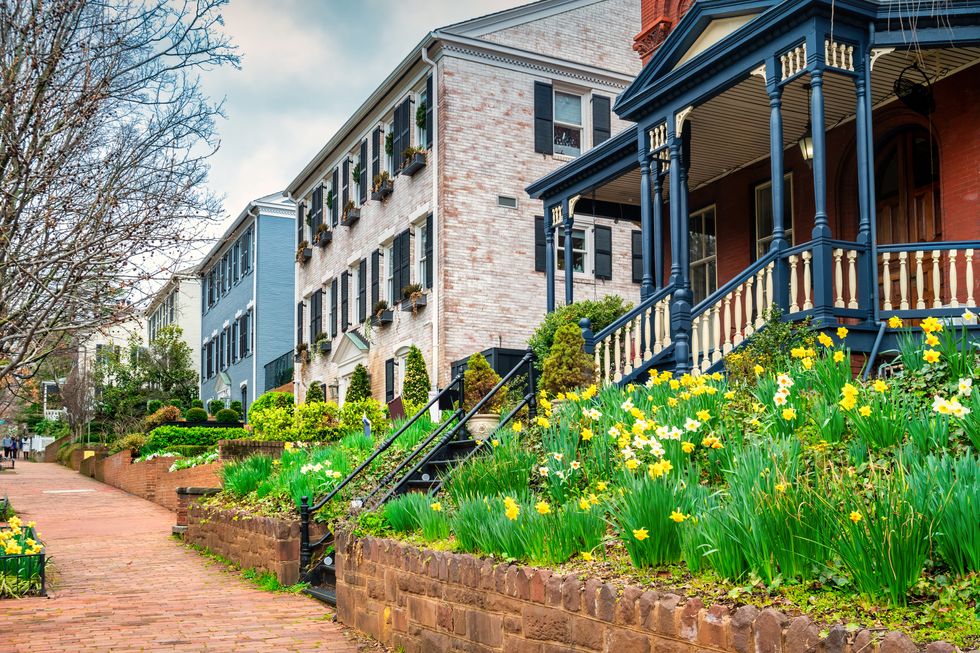
Georgetown is my favorite neighborhood in the city. The enclave sits right beside the Potomac River; the closer you get, the more you'll get a glimpse of the C&O Canal, which was built between 1828 and 1850. The charming little homes that line the edge of the man-made water system are just as old as the canal itself, and they are very much occupied by Washingtonians. Georgetown is built on a hill, with the smaller, more quaint homes residing closer to the river and the larger, more grand estates sitting further back on much more land. In between is M Street, where all of the best shopping and eateries are. Be sure to sneak down the hidden steps to Cady's Alley, where perhaps the best café for miles serves incredible Belgian food. It's called Kafe Leopold, and the tea sandwiches are a real treat.