4 min read
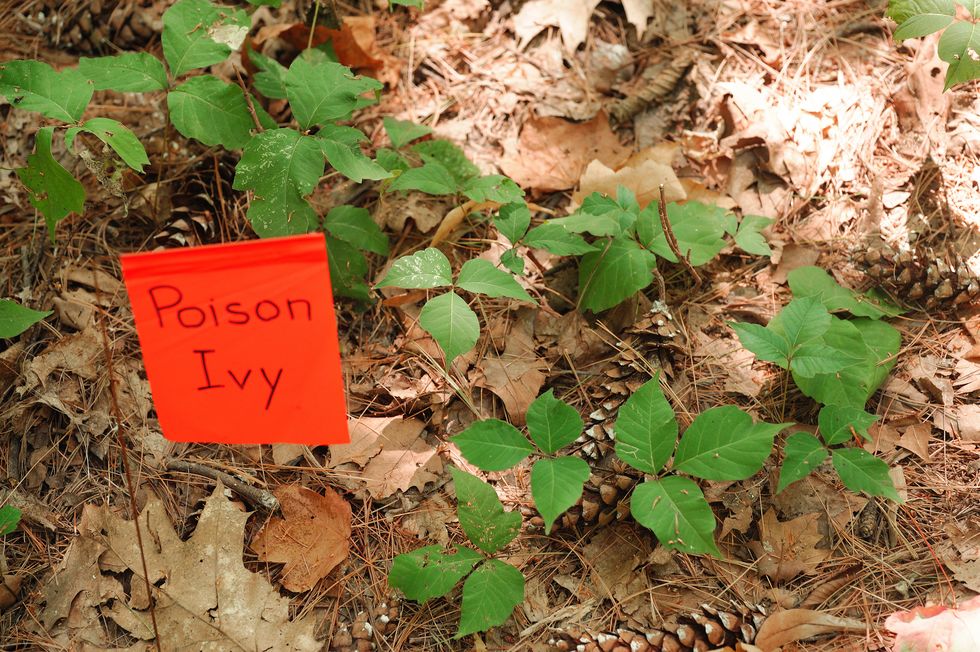
Poison ivy tends to raise alarm bells when you spot it in your garden, and for good reason. Known to thrive in moist, shaded, wooded areas, the weed is known as one of the most problematic and easiest to spot. Boasting the ever-recognizable green, glossy, three-leaf configuration, the plant, brimming with urushiol, is notorious for triggering allergic reactions, often manifesting as an itchy red rash accompanied by painful bumps or blisters, according to WebMD.
Poison ivy is also fast-growing. So, whether it's climbing your trellis or spreading across your lawn, you can safely assume there’s more lingering close by.
"Poison ivy can spread aggressively through its roots and by producing seeds that can be carried by animals, water, or human contact," says landscaping expert Gene Caballero, cofounder of GreenPal. "If left uncontrolled, it can quickly take over an area."
The good news is that there are some tried-and-true methods of evicting this plant for good, so you and your family can enjoy your yard. When dealing with poison ivy, safety is paramount. You should always wear protective gear when handling the plant, which includes long gloves, sleeves, pants, and even closed-toe shoes. Read on to learn how to get rid of poison ivy—these expert-approved tactics will work in any yard and on any budget.
Additional copy by Alyssa Khan.
Manual Removal
Removing poison ivy manually is the most commonly recommended method, says Caballero, but if you take a DIY approach, it's crucial to wear protective clothing like long sleeves, gloves, closed-toe shoes, and pants to avoid direct contact with the plant and its toxic oil. If you're highly allergic, wear shoes that you can hose down afterward, like rubber galoshes; don't wear sneakers that you wear for other purposes. (The oil can linger on them for months.) For a little extra protection, the CDC suggests applying a barrier skin cream like Ivy X Barrier Gel that contains bentoquatam.
Use gardening tools or a weed wrench to dig out the poison ivy's entire root system, Caballero says. Avoid touching your face or any part of your body. Afterward, clean your tools with rubbing alcohol and water and wash your hands thoroughly. Take off exposed shoes and clothes as soon as possible (ideally outside, to avoid bringing any oil into your home) and launder them separately in hot water.
You can dispose of the uprooted poison ivy in trash bags, but Caballero recommends contacting your local waste management company or a landscaping company to inquire about the proper disposal in your area so that those working on a garbage truck aren't unknowingly exposed to the weed.
Never burn poison ivy, Caballero cautions. "Burning poison ivy releases urushiol into the air as smoke," he says. "Inhalation of this smoke can lead to severe respiratory reactions and cause significant harm to your health." People who are highly allergic to urushiol can even develop a skin rash just by being exposed to the smoke. You should never burn leaf piles either, but if you suspect you might have poison ivy in your yard, that's even more reason to dispose of lawn waste properly.
Herbicides

Herbicides are another effective way to kill poison ivy, Caballero says. "Look for herbicides specifically formulated for woody plants and follow the instructions carefully," he says.


If you go this route, apply the herbicide directly to the leaves or cut the stems and apply it to the cut surface, he says. If you've got a lot of poison ivy or it's stubborn, you may need to repeat applications to knock it out completely.
Smothering
A unique approach to getting rid of poison ivy is to "smother it," says Caballero. This approach tends to work best in an area with a small amount of poison ivy growth.
Cover the affected area with thick layers of cardboard or newspaper, followed by mulch or soil, says Caballero. "This technique deprives the plant of sunlight and prevents it from growing," he says.
The downside: It may take several months for the poison ivy to die off completely. You can check it occasionally to see if it's dying (i.e., it's browning and getting dry), but remember to keep yourself protected in case you come in contact with the poison ivy.
Goat Grazing

Goat grazing is an eco-friendly solution to killing poison ivy, Caballero says. You don't have to adopt a farm animal of your own; you can borrow goats to graze on invasive plants in your backyard and chew them down to nothing.
"Goats are known to eat poison ivy and can help control its spread," Caballero says. And you don't have to worry about the goats getting itchy: Research shows it's safe for goats to munch on poison ivy, and the urushiol in the weed doesn't transfer to their milk.
A potential con: If your yard isn't fenced in, this method may require you to use temporary fencing to confine the goats to the affected area.
Hire a Professional
"In cases where a poison ivy infestation is extensive or difficult to manage, seeking professional help from a landscaping or pest control company is recommended," Caballero says.
Landscaping experts should have the knowledge and experience to safely remove poison ivy and prevent its regrowth.