4 min read
Like any other trend, interior design looks come and go in cycles. It's probably no surprise, then, considering the current wave of '90s nostalgia that has seemingly all of society in its grasp, that it's time for a certain orange-ish wood tone to make its grand return into our homes. Yes, that's right: honey oak is having a major revival.
This warm-toned, wide-grained wood was once a staple in the homes of young Gen Xers. From the late 1980s through the early 2000s, it was nearly impossible to step into a newly built or renovated house without encountering honey oak—often in Tuscan-inspired kitchens, where it covered everything from cabinets to baseboard trim. The same finish extended into bathrooms and furniture, creating a cohesive, golden glow throughout the home. By the mid-2000s, tastes had shifted, and honey oak was suddenly seen as outdated, giving way to cool-toned and whitewashed interiors.
Many interior designers growing up during this time remember the heyday of honey oak well. “You’d see it everywhere—cabinetry, trim, stair railings, and floors. It was the go-to wood tone for builders and homeowners alike,” Cathleen Gruver of Gruver Cooley tells House Beautiful. “But by the early 2000s, it started to fall out of favor as people shifted toward cooler, more neutral interiors.”
However, designers are now seeing the pendulum start to swing back. It's not a total obsession the same way it was 30 years ago, but there's definitely more interest in honey oak now than there was just a decade before.
Elizabeth Bennett and Mallory Robins, the founders of interior design studio Kobel + Co, believe this is for two reasons: The first is that warm tones throughout the entirety of the home are on the rise; the second is that honey oak has a lot of nostalgic associations for people who grew up in the '80s and '90s and are now homeowners. “We're seeing a resurgence of styles from this era not only in homes, but in fashion as well, as we harken back to a pre-digital era,” Bennett explains.

“It’s not necessarily a full-blown comeback, but I’ve definitely noticed a soft return—particularly in cabinetry, millwork details, and furniture," Gruver says. “Clients aren’t always asking for 'honey oak' by name, but they are gravitating toward natural wood tones that offer warmth and character.”
Before you take a sledgehammer to those original honey oak cabinets, reconsider this tone by styling it in more modern ways. Keep reading to see fresh ways that designers are working with honey oak in their new projects.

Modern Ways to Style Honey Oak

As homeowners gravitate more towards lived-in, inviting interiors, honey oak is a wonderful way to add warmth. Leave it to the professionals to find stylish ways to make this once-outdated wood tone look cool again.
Mix Wood Tones
Like mixing metals with jewelry, mixing wood tones is a hotly debated topic in the interior design industry. However, you're likely to find more experts telling you to mix woods than not. Robins even suggests doing this to make honey oak feel less overwhelming in your home. It can help keep the space “feeling both fresh and timeless,” she says, and pairing lighter and darker woods can prevent the room from feeling one-note.


Choose Cleaner Silhouettes
While the honey oak cabinetry of the '90s was often paired with arched fronts and puffed valances, “this time around, we're seeing the same wood tone used on more clean-lined cased goods and cabinetry details for an updated look,” Bennett says. The silhouettes are cleaner, the styles are more classic.
Opt for Subtlety

Rather than “wood drenching” a home in a single tone (as was often seen in the early aughts), Robins explains that current homeowners are exercising more restraint with their finishes. “Rather than the primary finish for a house on trim, floors, and cabinetry, it's being used in more subtle ways—a cased good piece or a kitchen island alone,” she says.
Pick Your Color Scheme Wisely
If you're committing to honey oak as the prominent wood in your space, you'll want to ensure the rest of your home's palette doesn't read "harvest season." If you can keep the colors earthy without veering into '90s territory, the honey oak wood tone will appear more modern and elevated.
Deep greens, warm whites, taupe, putty, muted blue—these more natural hues can help balance out the warmth of the honey oak, Gruver says. A palette with less saturation and organic textures layered on top of that (like marble or sisal, Bennett adds) offers the right balance.

Be Intentional

When adding a honey oak piece into your home, do so intentionally. Opt for a “stunning built-in, a custom island, or as an accent detail that brings texture and warmth,” Gruver says. To emphasize the styling, pair the honey oak piece with contemporary hardware or painted elements to help it feel fresh and curated.
Consider Your Aesthetic
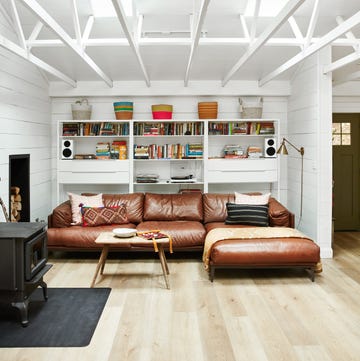
While honey oak can work in any interior aesthetic, there are a few styles it looks best in, according to Gruver: updated farmhouse and cottagecore. Basically, “any space that leans into character, craft, and comfort,” she explains. However, she's also seen the tone used successfully in more modern, organic spaces where there's a large emphasis on natural materials and textures. It all depends on how it's balanced, which holds true for any wood tone. She adds, “When styled right, honey oak can absolutely feel current again.”