3 min read
No matter the decade, one thing always seems to hold true: Certain elements of pop culture inevitably get labeled “tacky” by the next generation, and interior design is no exception. From the rise, fall, and return of chrome furniture to the playful, unconventional styles of the 1970s, trends tend to follow a familiar pattern of coming back around—but not before they earn a polarizing reputation.
“I think nearly everything popular in the past will cycle through again at some point, but the question is when that will happen, and to what extent,” says Kate Pearce, owner of Kate Pearce Vintage.
According to Krystal Reinhard, founder and principal designer of Old Soul Design Studio, items once written off as outdated or overly traditional are finding new life in today’s interiors, largely because of an updated styling approach that “mixes old-world charm with modern lines and celebrates craftsmanship over trend,” she says.
Curious which once-tacky design elements are trending again? Ahead, we’re highlighting a few standouts for 2026, along with designer-backed tips for incorporating them in ways that feel current and elevated.
Skirted Sofas and Chairs

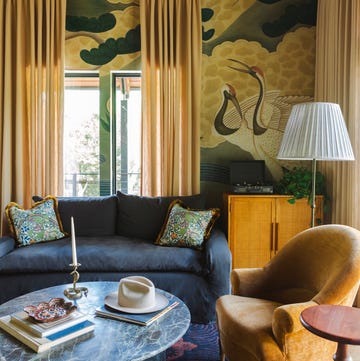
Skirted furniture may have gotten a bad reputation for being stuffy or old-school, but with more traditional design aesthetic back en vogue, these pieces are coming back into the spotlight. To avoid a look that reads as too antique, look for pieces that have some structure to them, and opt for tailored box pleats over feminine ruffles.
Ceramic Figurines

Yes, ceramic tchotchkes are even growing in popularity once again. Once viewed as overly kitschy and cheesy, people are now appreciating these figurines for the whimsy they can add to a space. As Reinhard puts it, collectible, character-driven pieces are replacing generic decor.


Head to the thrift store to seek out vintage ceramic figurines with distinctive glazes, handmade textures, and visible artistry. “Group ceramics in odd numbers or vary scale for interest on shelves and mantels,” Reinhard advises.
Ornate Gilt Mirrors

Although gilt mirrors attempting to pass themselves off as relics of Versailles have been thought of as “gaudy” in the past, Reinhard believes that these now-popular mirrors add “history and polish, especially in rooms dominated by clean lines.”
In vintage mirrors, you’ll seek out genuine or aged gilding in “warm tones and interesting crest details,” as Reinhard suggests. She adds that you can hang these mirrors above modern consoles or in a powder room for “effortless contrast.”
Landscape Art

Landscape art—you know, those Bob Ross-inspired oil paintings or art that appeared in hotel rooms—was once considered by many to be an expected or even boring addition to a room's design scheme. In fact, Pearce remembers a time not too long ago when landscape art overflowed at estate sales, thrift stores, and flea markets.
“I think it was widely perceived as maybe a bit too boring, something you might see on your grandmother's walls instead of in your apartment,” she says. That’s all changed in recent years, though, as “Grandmacore” and "cottagecore" aesthetics have entered the mainstream. She also sees collecting landscape art as a direct response to fast decor.
“Instead of buying those mass-produced prints, people are leaning into that original art at the thrift store,” she says. “Landscapes, especially, represent a moment in time when life was simpler, and they can have a calming effect on our overburdened psyches.”