

 3 min read
You’ve carefully considered every element of your kitchen design, from the distinctive veining in your marble countertops to the perfect cabinet color and the warm finish on your brass hardware. After dedicating so much time, effort, and investment to creating a beautiful space, the last thing you want is for poorly placed outlets or awkward light switches to interrupt the overall look.
Electrical components are frequently overlooked during kitchen renovations, even though they play a significant role in both form and function. A visible outlet cutting through a backsplash or a strangely positioned switch on a feature wall can distract from your carefully chosen design details. Likewise, too many outlets clustered on an island or peninsula can disrupt the clean, streamlined appearance you’ve worked hard to achieve.
Fortunately, with thoughtful planning and intentional design decisions, it’s possible to incorporate lighting and power seamlessly into your kitchen without compromising style. By considering your electrical layout early in the process, you can ensure your space feels both visually cohesive and highly functional—right down to the smallest details.
Pitch the Plastic

The standard white plastic rectangle has long been the default, but it’s far from the only option—and arguably the least inspired. Designers are turning to luxe outlets and switches that complement the other metals in the space.
“For switches, we often specify Forbes & Lomax or Buster + Punch,” says Amr Samaha of Samaha Studio. “Both brands offer hardware that feels designed, not engineered, whether it’s a classic toggle in brass or a knurled dimmer in black steel. These details elevate a space, lending weight and intentionality where plastic plates simply cannot.”
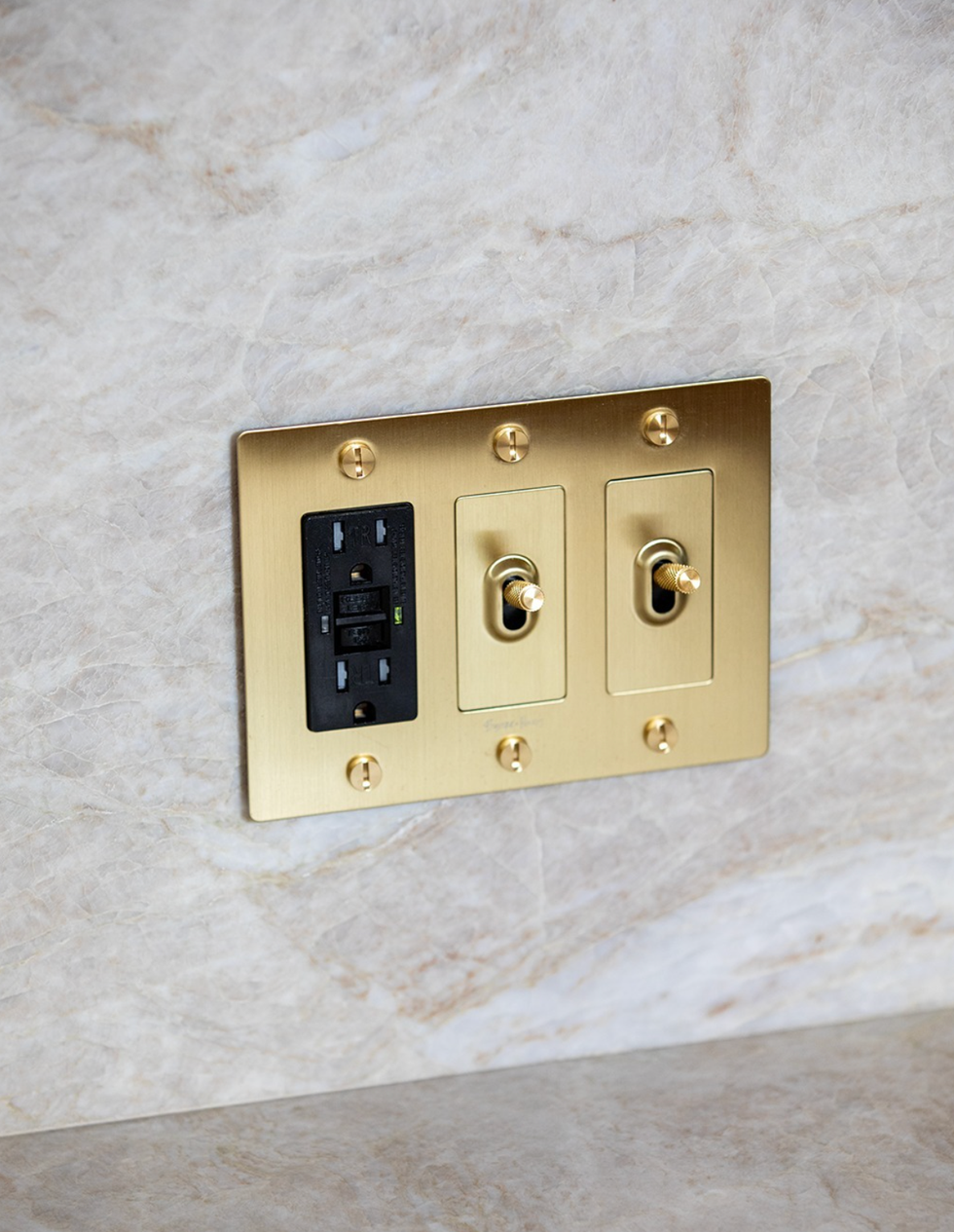
Now You See It, Now You Don’t
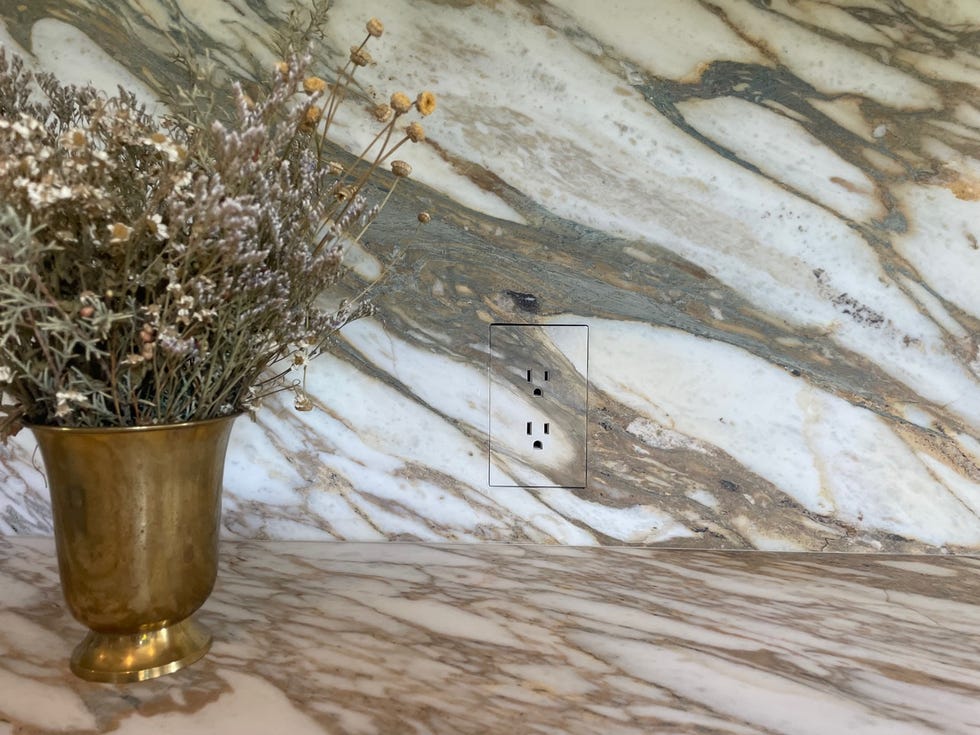
Sometimes, the most powerful design choices are the ones you don’t even notice.


“One of the most impactful choices I make in kitchen design is often one of the least obvious: integrating TRUFIG outlets,” says interior designer Stefani Stein. “These flush-mounted systems deliver full functionality without interrupting the visual language of the space. When set into marble, they virtually disappear, allowing the stone to take center stage instead of competing with the utilitarian clutter of a typical outlet.” For a truly seamless look, outlets like these can be set into tile or stone and faux-finished to match the surface exactly. The result is clean, quiet luxury where function hides in plain sight.
Avoid “Default Placement Syndrome”

Most homeowners don’t think about outlet and switch placement until it's too late—and by then, the drywall’s up and the electrician has already gone by the book. Instead, work with your designer or electrician early in the process to plan outlet and switch locations with intention.
“In general, we like switches and outlets lower, close to the countertop,” says Jackie Kosnett of Galerie Design + Build. “If it’s a single-gang outlet, place it horizontally for a more discreet look.”
Say Goodbye to Switch Clutter
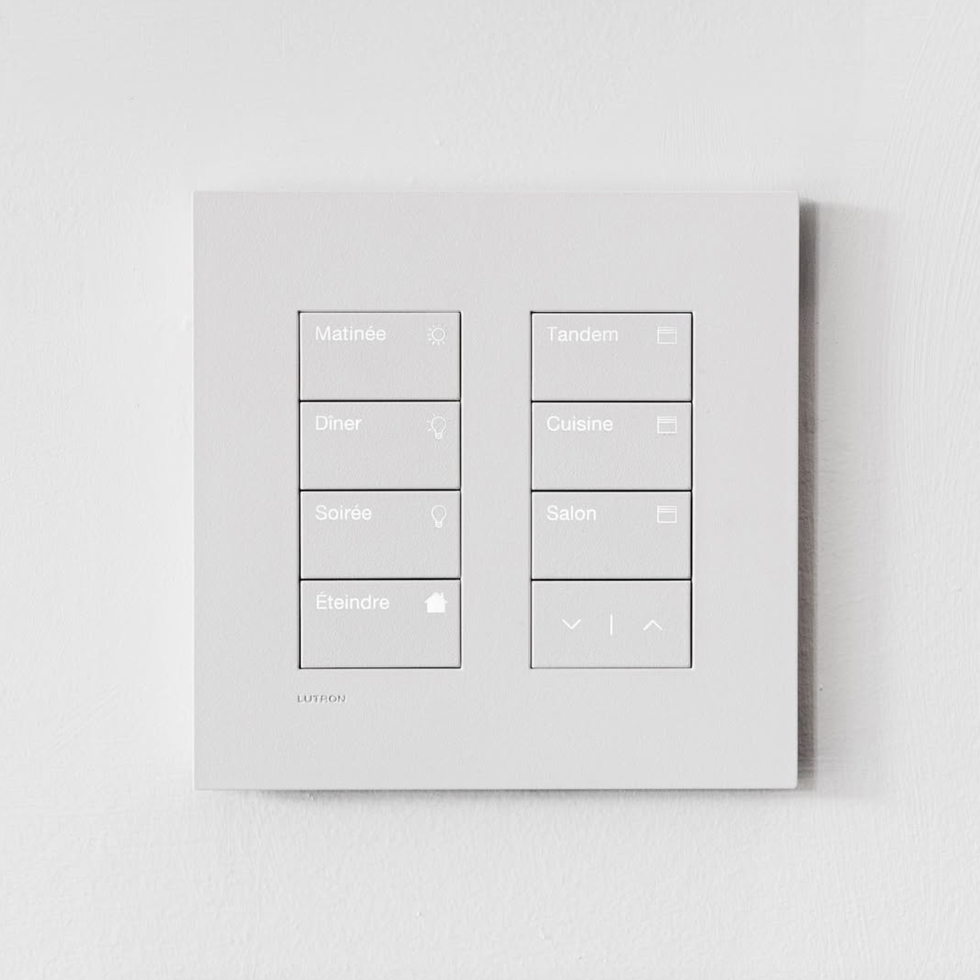
“Wall acne”—aka that long row of mismatched switches—is the visual noise your walls don’t need. Smart lighting systems, such as Lutron HomeWorks, allow you to replace multiple switches with a single, elegant keypad that controls various scenes, including “Cooking,” “Dining,” or “Entertaining.” It’s sleeker, smarter, and a perfect match for the thoughtful aesthetic you’ve curated everywhere else.
Creativity Doesn’t Have to Compromise Code
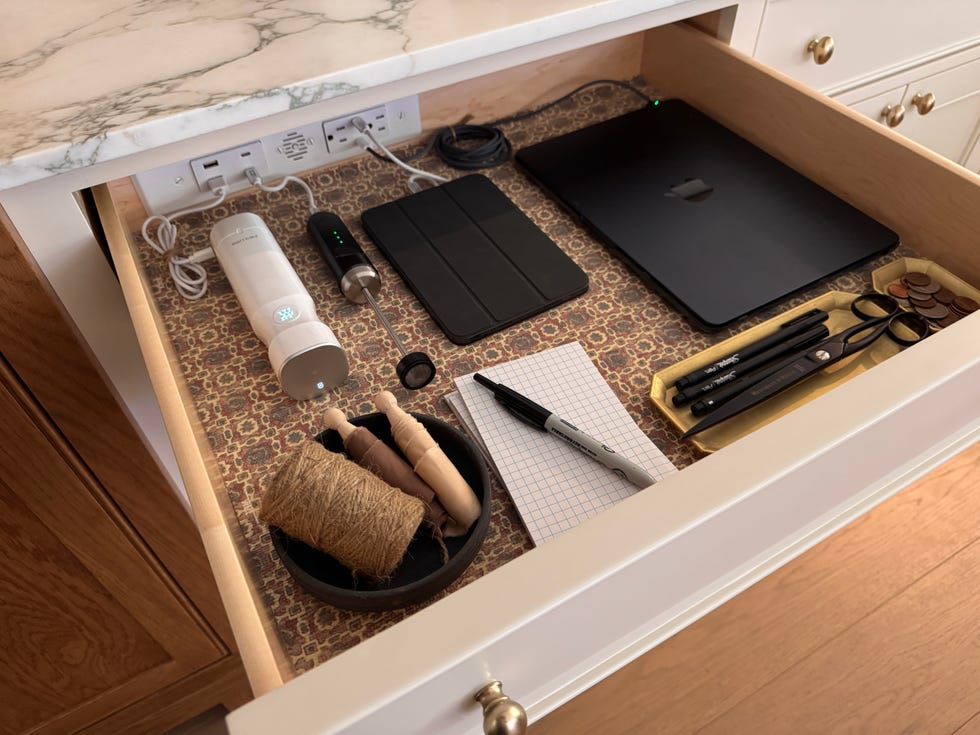
Yes, there are strict electrical codes to follow in kitchen design, but beauty and compliance can coexist. For example, custom cabinetry can be notched to accommodate hidden power strips that won’t mess up your backsplash. Pop-up countertop outlets are a creative solution to side-mounted island outlets that are no longer permitted. If you’re working with a forward-thinking electrician and plan ahead, they can help you meet requirements and elevate your design.


