3 min read
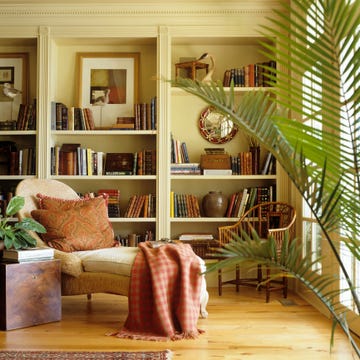
Pictured above: A burrowcore-themed living area designed by Sarah Kirk.
You’ve heard of cottagecore. Now there’s burrowcore, the cozy home trend that’s less about idyllic aesthetics from a period film and more about creating a space you never want to leave.
Instead of homes that feel perfectly polished or photo shoot-ready, burrowcore is all about fostering a warm, comfortable, and personality-packed environment. Think low lighting, worn wood, overstuffed seating, vintage finds, layered textiles, and rooms that practically beg you to stay in for the night (as if we needed another reason).
It’s cozy without trying too hard, nostalgic without feeling theme-y, and ultimately centered around one simple idea: home should feel like a refuge. If this sounds appealing, you’re not alone. We asked some pro burrowers for their best tips.
What Is Burrowcore?

At its core (pun intended), it’s about creating a home that feels ridiculously cozy and full of character. Not pristine or overly styled, just warm, comforting, and filled with things you love. It’s precisely what interiors-focused content creator Sarah Kirk has created in her own home in Gloucestershire, United Kingdom
“People want characterful homes that feel comforting,” says designer Sarah Nolan. “We want the things around us to tell a story and reflect how we actually live,” she says. It’s the design equivalent of a rainy Sunday or a favorite sweater, which feels like exactly what we all need right now: a home that feels grounded and kind of like a warm hug.
“We live in a world of uncertainty and every day feels fast-paced,” says interior designer Sylvie Kemp. “I think people crave moments of quietness and stillness, which we seek in our homes.”
The Defining Features of Burrowcore

The goal here is to create interiors that look collected, which means antiques, secondhand finds, inherited pieces, worn woods, vintage textiles, bookshelves that actually hold books, and lighting with a warm glow. “Old furniture, antique textiles, or artwork discovered in a charity shop add depth and character in a way new items can’t,” Kemp says.


Natural materials are a huge part of the look, too. Nolan points to weathered floorboards, wool blankets, baskets, fabric lampshades, and well-used everyday objects that add warmth and texture naturally over time.
Lighting may be the biggest burrowcore essential of all. Overhead lighting can be a little too interrogational, but table lamps, floor lamps, and wall sconces that create a softer, calmer atmosphere are what the trend is all about.
How to Get the Burrowcore Look at Home

The easiest way to embrace burrowcore? Stop trying to make everything look brand-new. “Seek out antiques markets, secondhand treasures, and meaningful objects that bring personality into your home,” Kemp says. “Even small things, like framed postcards, old letters, or vintage textiles, can completely change the feeling of a room.”
Also, reconsider the materials you fill your home with; swapping plastic or synthetic pieces for wood, linen, wool, ceramic, or other natural textures instantly makes a home feel warmer and more timeless.
At the end of the day, burrowcore isn’t really about decorating rules. It’s about creating a home that feels comforting the second you walk through the door. A little nostalgic, a little layered, and cozy enough to make canceling plans feel completely justified.