6 min read
Moving to a new home is, more often than not, an extremely stressful experience, but it’s even more nerve-wracking when the new house has been bought before the old one has been sold. Double the mortgages, double the upkeep, double the stress. The silver lining is that there are actually a lot of things someone can do to make their home more appealing to a potential buyer, from painting the walls a different hue to hiring a professional stager to make the interior more universally appealing.
“We’re thinking about what the buyer sees when they first enter, where their eye travels next, how they move through the room, and what moments make them stop and take something in,” explains Christina Slater, the creative director at Vesta Home, a luxury staging and interior design firm. “The goal is for someone to walk in and immediately understand the lifestyle the home represents and, ideally, begin imagining themselves living it.”
While knowing what to bring into a home to make it perfect for the ideal buyer is important, it might be even more important to know what to take out of it so no one walking through feels alienated or, frankly, weirded out. We asked a handful of professional home stagers to tell us the no-brainer things they hide or take out of a home when they first walk in—find out what they said below.
Anything Too Personal

The whole point of staging a home is hopefully getting potential buyers to see themselves living in that house—and family photos and highly personal decor on display is not the way to do that.
“Buyers naturally stop and look at these things, and suddenly they’re thinking about the people who live there instead of imagining themselves living there,” explains Marisa Salas, Studio Principal of Showhomes. “Depersonalizing allows the home to become the focus.”
It’s the same with kids’ drawings and keepsakes, adds Tamara Mattox-Kabat, a home stager and real estate agent with Redfin. Not only can they distract buyers, but they often make a space feel cluttered to someone who doesn’t live there yet. These personal things are a reminder that they’re in someone else’s home.
Generic Rugs

If Shane Brown, founder of Big Daddy's Antiques/The Well and a stager, isn’t working with a completely blank canvas, he immediately pulls up all of the generic rugs in the house. “I love to use antique and vintage rugs to ground a space, and they tend to immediately elevate the other furnishings in a room.”
Countertop Clutter

The kitchen is one of the first rooms potential buyers are looking at, so clutter on the countertops is a definite no-go. “Counters read as square footage,” Jenessa Stieglitz of Telfair & Co. explains. “Every air fryer, knife block, and paper towel holder shrinks the workspace a buyer thinks they're getting.”
After years of living somewhere, the homeowner might not even realize that these excess small appliances on the countertops look cluttered, “but their presence in the kitchen gives the impression that there’s not enough storage, and that’s a bad sign to buyers,” adds interior designer and stager Lisa Quinn.
RE/MAX agent Shannon Murree doesn’t even like dish towels hanging from appliances or mats on the floor in the kitchens she’s staging because it doesn’t look as clean or open.
“Cheap” Furniture

The pieces that look like they took an hour to assemble are some of the first things that go in homes Brown is staging. Every home looks more interesting when you bring in antique furnishings and decor rather than a poor-quality piece from the next big retailer, according to him.
Excess or Oversized Furniture

Both Salas and Stieglitz agree that most people accumulate more pieces of furniture than they need for staging. That’s not to say that the extra ottoman or accent chair you love is unnecessary in your home—but, when staging a house for someone new, those extra items add more visual noise. “Less furniture creates breathing room, improves circulation, and often makes the space appear significantly larger,” Salas adds.
Slater does the same for anything oversized, such as a sectional that isn’t scaled properly to the space, as this can “completely change a buyer’s perception of its dimensions.”
Dark and Heavy Decor

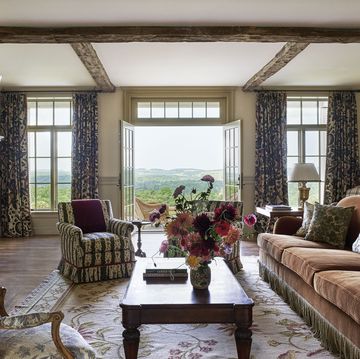
Aurelio “Al” Salas, the CEO of Showhomes and Marisa’s husband, makes sure to remove dark or heavy furniture if there’s too much of it, as these pieces can easily make a space feel smaller. “We aim for lighter, more neutral pieces that reflect light and create an airy, open feeling throughout the home,” he says. “Everything should feel bright, balanced, and inviting.”
Anything Visibly Worn or Dated

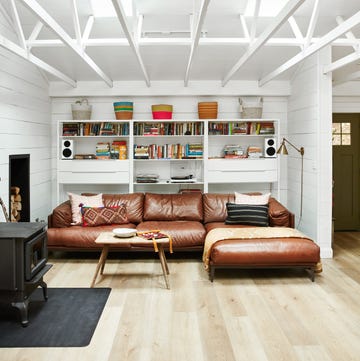
This should go without saying, but no one wants to walk into a house and see an old, worn-out leather sofa where the color is all but rubbed away. Even though the current homeowners will most likely be taking their belongings with them, it does, unfortunately, age the room, says Al, and a lot of buyers struggle to look past that. “You don’t necessarily need to replace everything; a few well-chosen updates can completely change how buyers perceive a home.”


Any Valuables

“If it would break your heart to lose it, put it away.” That’s one of Mattox-Kabat’s staging rules. Jewelry, heirlooms, beloved knickknacks, even a loved one’s ashes—don’t leave anything of value, monetary or emotional, out while people come to view the house. “Open houses are not the place to display valuables or irreplaceable keepsakes,” she adds. “Your home is the prized possession we want you to sell.”
Pet Supplies

While you adore your pets, the potential buyers of your home might not. “One thing I ask clients to do before every showing is put away the signs of pets wherever possible,” Murree says. “It has nothing to do with hiding the fact that someone owns a pet; you simply don’t know who is coming through the door.”
Allergies, fears, a simple dislike of dogs or cats, or even an obsession with cleanliness—all of these things and more could affect why someone chose the next house over yours.
“Putting these items away before a showing makes the floors and surface areas of your home appear cleaner and more organized,” realtor and staging professional Natalia Bassova says. “It also allows potential buyers to focus on your home and what they could possibly bring into it rather than your day-to-day routine with your pets.”
Strong Scents

One candle lit in the heart of the home is great; multiple candles, potpourri, a plug-in air freshener, and incense are too much. Not only can this wall of smell overwhelm a person and potentially even make their head hurt, but “they’ll probably wonder what you’re trying to hide,” says Mattox-Kabat. A clean scent, or even no scent at all, is better than too much.
Competing Focal Points

Slater explains that she removes anything that hinders a sight line. “We pay close attention to what you see the moment you enter a room and what your eye is drawn toward next,” she says. “A chair, floor lamp, plant, console, or even a piece of art can be beautiful on its own but still be wrong if it obstructs an architectural feature, view, fireplace, or connection to another room.”
The strongest feature in the room should be what people notice first, Murree adds; the eye shouldn’t be pulled in another direction if a beautiful fireplace is taking up space. Removing these types of things lets the architecture lead.
Sports Memorabilia

Similarly to the pet supplies or personal items, sports memorabilia shouldn’t be on display in your home, according to Mattox-Kabat. Not everyone is a sports fan, and not everyone is a fan of your favorite team, and you want people to see themselves in the space rather than see you.
Heavy Window Treatments

Along with the dark and heavy furniture, you should remove the dark and heavy window treatments too; they can feel just as dated as any other item in a home. “I tend to focus on this area of the house, primarily because it has a huge impact on how much light and space there is in a room,” Bassova explains. She will often take down curtains and window treatments completely in a home she’s staging to let the sunshine stream through.
Political and Religious Symbols

“Any political signs or religious art should be removed immediately,” Quinn says, emphasizing the idea of alienation. Potential home buyers will immediately start crafting a narrative about you, the seller, when they see decor like this. If they hold strong opposing opinions, it’s likely your home will be pushed further down on their list. “Alienating buyers for any reason is a mortal sin in staging.”