5 min read
Buying your first home is an exciting milestone, but it often comes with a steep learning curve. In the beginning, everything feels great—the fresh start, the sense of ownership, and the excitement of finally having a place to call your own. It’s easy to get caught up in the thrill of moving in and imagining all the possibilities for your new space. However, once the initial excitement settles, many first-time homeowners begin to notice things they wish they had approached differently.
Decorating and designing a home can be especially overwhelming when you’re doing it for the first time. I know this firsthand, having made my share of renovation regrets while trying to create a space that felt both functional and stylish. What seemed like great ideas at the time didn’t always work out the way I expected, and some decisions required a ton of effort (and extra contractors’ fees) to correct.
Knowing that this issue is far more common than one might think, I reached out to experienced interior design professionals for their insights. Ahead, they shared the biggest decorating and design mistakes first-time homeowners tend to make, along with practical advice on how to avoid these in the future.
Mistake #1: Buying Furniture Before Taking Measurements

“I've seen living rooms with huge sofas squeezed in on top of teeny tiny area rugs, and rooms that feel empty because they're sparsely furnished,” says designer Pattie Kelly of Inspired Home Interiors. “Please, please don't just walk around the furniture showroom picking out items you hope will fit. This is the recipe for rooms that feel wrong.” Unfortunately, I had to learn this lesson the hard way. When I first moved into our cozy Colorado home, my fiancé and I hastily bought new furniture without coming up with a plan in terms of space and sizing. The result? A living room couch that made the space look clunky and crowded.
To avoid this blunder, Kelly recommends creating a design plan for your room and sticking to it. “If you planned for a 9' x 12' area rug, only look at rugs that size,” she says. “If you fall in love with an 8' x 10' rug, you’ll be tempted to buy it, and that’s when you start down a dark path.”
Mistake #2: Painting Without a Cohesive Palette
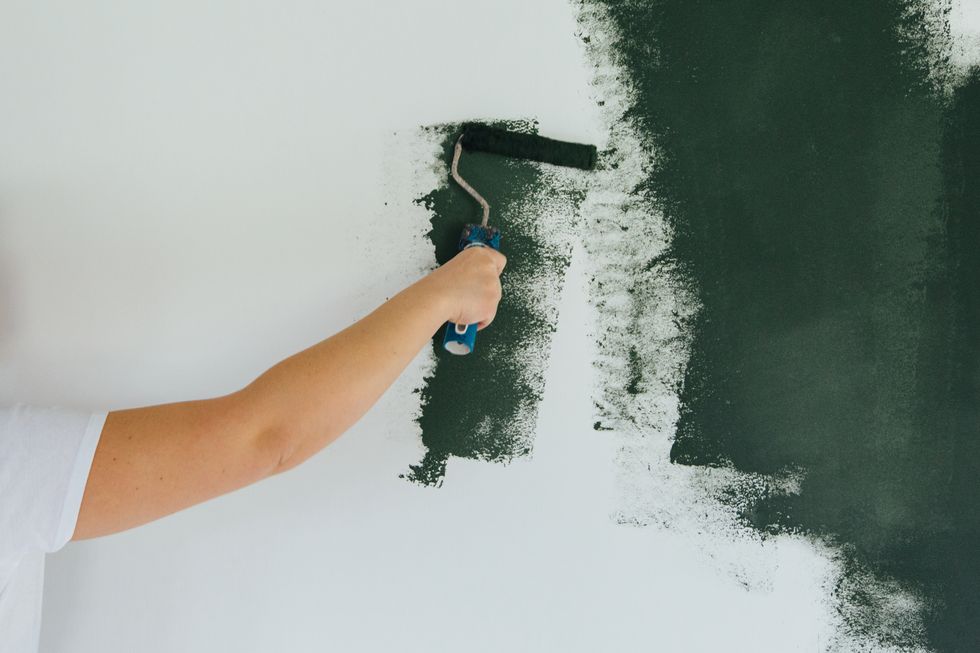
Painting can be one of the most fun and creative parts of designing your space, but if you don’t have a cohesive plan, things can quickly start to feel chaotic. If you want your home to look seamless and pulled together, it’s best to hold off on grabbing your paintbrush until you’ve got a clear vision in place. Trust me on this: You don’t want to have to repaint your walls over and over again.
"One of the best parts of owning a home is finally being able to paint your walls any color you want," says Amy McCoy, a designer at McCoy Design Studio. "But without a plan, you might end up with a navy accent wall in the living room, a pastel bathroom, and a totally mismatched vibe. A cohesive color palette creates flow and makes the entire home feel intentional."
Mistake #3: Filling Spaces Just to “Be Done”

“The biggest mistake I see first-time homeowners make is rushing to furnish every corner of the home, either out of excitement or the pressure to feel 'settled' in the space," says Cathryn Lindsey of Cathryn Lindsey Design. "When rushing, people often grab budget pieces just to 'get it filled,' but that usually leads to regret, and replacing things sooner than expected can end up costing more in the long run."


The bottom line: Turning your house into a home takes time. Take it one day at a time; room by room, corner by corner, and space by space. "Live in the home before making big decisions," suggests Lindsey. "Notice how you use each room and where you're naturally gathering. My rule of thumb: if you eat on it, sit on it, or sleep on it, it can be a priority and should be an investment. Everything else can wait until you’ve researched and sourced items you truly love. This approach ensures your home feels intentional, not just ‘filled.’”
Mistake #4: Trying to Do Everything Yourself

We get it—purchasing a home is a big expense, and tackling projects yourself once you move in can be a compelling way to save a bit of money. That said, it’s really important not to bite off more than you can chew when it comes to DIY projects—sometimes, it’s just better to either ask for help from your friends and family or hire a pro.
“Don’t be afraid to ask for help and reach out to local or virtual designers," suggests Lindsey. "Having someone streamline decisions and bring your vision to life can save time, money, and stress. Sometimes it’s worth investing in expertise so you can enjoy the process and end up with a home you love living in."
Mistake #5: Moving Too Fast

When we first moved into our home, we quickly decided that we had to remodel the bathroom as soon as possible. Well, it’s been months now, and we still haven’t finished it. It’s too complicated, and we don’t have the money for all the tools we need to buy. Honestly? We regret even touching the bathroom to begin with.
According to designer Ashley Macuga of Collected Interiors, this is an all-too-common woe for new homeowners eager to put their own spin on a space. "By waiting to renovate, you’ll discover how you really use each room—where light falls during the day, which spaces feel too cramped, or which areas you naturally gravitate toward," explains Macuga. "These real-life insights often reshape your priorities for the remodel, ensuring that the time and money spent will make a big impact on the function and aesthetics of the space."
Designer Jennifer Fordham of Pembrook Interiors even suggests waiting a full year before making any expensive (and permanent) changes to your home. "Observe how light moves, where you naturally spend time, and what challenges emerge," she adds. "Most importantly, don't exhaust your renovation budget before furnishing your home—I've seen beautiful kitchens paired with big box store dining sets.”