4 min read
Pushing furniture up against the wall is one of those default design choices most of us make without thinking twice. On paper, it makes sense, especially in a small room: keeping the floor open can make a space feel larger while leaving more room for additional seating or decor. It's an easy, instinctive approach whenever you're arranging a room.
However, Next Wave designer Louis Lin is over this idea. “In practice, that can leave the center of the room feeling empty and undefined, while creating too much distance between people,” he tells House Beautiful. Lin isn't categorically against placing furniture against the wall—but whether it works depends on the room's architecture, how the space is used, and the overall layout. In many cases, pulling furniture away from the perimeter can create a room that feels more inviting, balanced, and functional.
Ahead, find out why floating your furniture can improve flow and give your home a more personal touch, plus some expert tips for trying the layout in your own space.
The Benefits of Floating Your Furniture
No matter the space, there are plenty of reasons why pulling furniture away from the perimeter walls is better for flow, conversation, and the overall design of a room.
Increases Intimacy

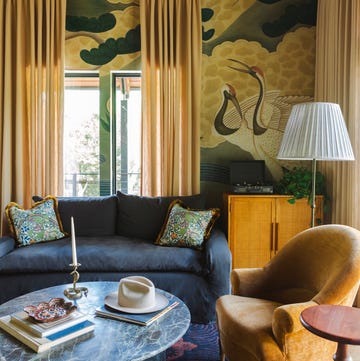
Pulling the furnishings into the middle of the room makes an entire living space feel more intimate, according to Lin. “When seating pulls inward and faces itself, you get a room that gathers people rather than scatters them,” the designer explains. Think of creating a seating area to be like a non-sunken conversation pit, like in the Lenox Hill living room pictured above.
Defines Zones
Though they’ve recently gone out of style for many designers, many people still live in open-concept homes. The communal rooms in these residences tend to be vast, and pulling the couch and accent chairs away from the walls here can help define different zones within a single space.
“A floating layout forces you to think harder about how you actually use the room, and can inspire more creative ideas,” Lin says. A sunroom, for example, can transform into a multipurpose space with a gaming table, a bar, different seating areas—it really opens up the possibilities once furniture isn’t lining the perimeter.
Frees Up Wall Space
It’s not solely about the furniture—opting for this more intimate layout frees up your walls for even more decor.
“Walls are your best real estate for art, built-ins, and layering,” Lin says. “The moment you stop parking furniture against them, they become a canvas.” If your space is lacking depth, doing this and putting more on the walls can benefit the room.

Optimizes Interaction and Flow
Floating your furniture doesn't just improve a room's layout—it also creates better circulation. By opening up new pathways and, in some cases, carving out multiple seating areas, the space feels easier to move through and more dynamic. According to Lin, rooms naturally feel more alive when furniture isn't pushed against every wall, and the shift can even make them appear larger.


Beyond improving flow, a floating layout also gives you the chance to appreciate your furniture in a whole new way. “The curvature of a sofa back can now be seen. A friend can whisper something in your ear from behind you,” Lin adds. “The furniture becomes something you can move around, encounter, and experience from more than one angle.”
When Placing Furniture Against the Wall Is Better
All that said, sometimes placing your furniture up against the wall just makes the most sense. The bedroom, for example, is one area you usually won’t see floating furniture.
“Beds usually want a wall, both practically and for that sense of a protected headboard,” Lin says. The bed sitting against the wall can help a room feel more grounded and secure to the person sleeping in it.
For those who have small homes or “broken” floor plans, the designer explains that “sometimes the honest move is to run things along the length and create one good corridor for movement.”
Situating furniture like this can also make sense if the architecture of a room already has a strong focal point, like a fireplace or built-in shelving. “The key is that the decision should respond to the room rather than follow a rule.”

How to Try Floating Your Furniture at Home
Before experimenting with a floating furniture layout, Lin encourages clients to first think about how they actually live in the space.
“Ask yourself where conversations happen, how people move through the room, and where you naturally spend time,” he explains. Furniture placement should feel intuitive, so understanding those patterns is the best place to start.
If you're not ready to completely rethink your layout, try a small change first. Pull one major piece, like your sofa, about eight inches to a foot away from the wall and live with it for a few days. You don't need a sprawling living room to make it work. Even a slight shift can create the illusion of more depth while making the room feel more connected.
“Most people are surprised by how much more comfortable and connected the room feels,” Lin adds. “Good layouts aren’t about maximizing square footage; they’re about maximizing the quality of experience within the space.”
If a floating arrangement still looks or feels a little awkward, the furniture likely isn't anchored within the room's overall design. The fix, Lin says, is to give the back of the piece a purpose.
“A floating sofa often benefits from a console table behind it, floor or table lamps, or a substantial rug beneath it,” he adds.

In the living room above, for example, the two sofas are anchored by a center console, while table lamps, pendant lights, and layered rugs define distinct conversation areas. Rather than emphasizing the room's size, the layout creates multiple functional zones and a warmer, more inviting flow.