4 min read
Households have a way of filling up over time—with boxes of family photos, books that haven’t been opened in years, and closets overflowing with rarely worn clothes. But empty-nester parents who are getting ready to downsize often have an especially large amount to sort through. Sometimes jokingly called “boomer junk,” these decades’ worth of belongings have become a growing concern as older adults retire, move, and start clearing out their homes.
Professional organizer Regina Lark says generational experiences help explain why so many boomers have trouble letting things go. “Boomers grew up in a time of economic prosperity, raised by parents shaped by the Great Depression, so they rarely get rid of anything for fear of needing it later,” she says. Many are also collectors or have strong sentimental attachments to their possessions, making it even more difficult to part with them.
According to Lark, the growing popularity of “aging in place” has added to the problem as well. Because many boomers are staying in their homes much longer than previous generations, they have more time to accumulate belongings. Eventually, their children and grandchildren may find themselves responsible for sorting through a lifetime of possessions—from childhood artwork and old recital costumes to sentimental keepsakes stored in basements, closets, and attics.
Ahead, Lark offers five of her top tips for sorting, organizing, and dealing with “boomer junk.”
First, Negotiate Gently

The first step is a serious talk with your family. Work to understand what is fair game to throw out or donate and what they would like to keep. Everyone has a different nostalgia level, and that mug you think is a spare might be their favorite. Clear expectations will help the entire decluttering process go much more smoothly and even more quickly once you know where to begin.
“It will also help if you allow your parents time to explain their bond with certain things,” Lark explains. “Let them tell you the stories and memories; it actually makes letting go of items easier.”
Negotiations also apply to siblings and other family members. If you both want the same armchair, talk it out. It may seem silly, but allow people to call dibs on items that truly matter to them. “If a stack of boxes in your garage rather than on the curb will prevent fighting for years to come, do it. It's your family,” says Lark.
Streamline Your Scrapbooking

It’s time to digitize all of those photo albums, or at least combine them into one. Do you need the family shot where no one is looking the right way? How about the four copies of your second-grade yearbook photo?


We recommend combining any photo albums into just a few books. If you’re feeling crafty, make a new scrapbook of sentimental moments or opt for a photo book service like Shutterfly and turn memories into a coffee table book for safekeeping.
Make a “Museum of Memories”
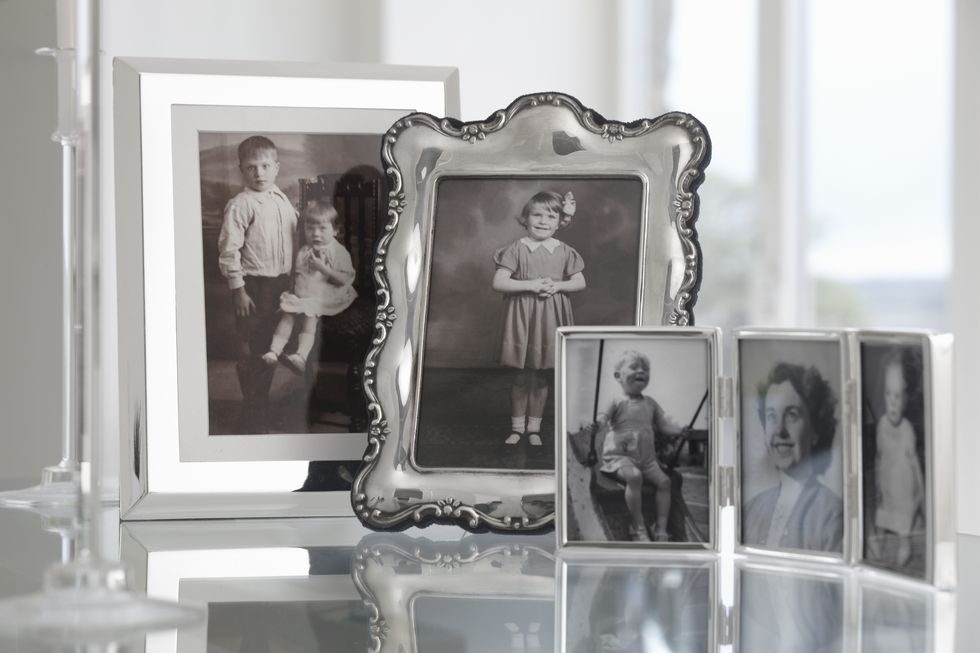
Professional framers can tackle almost anything. Your mom’s wedding veil or your father’s favorite records can be turned into beautiful wall art and preserved behind glass. Think of this as creating a miniature museum of memories. Services like The Heirloomist will photograph almost anything and send you back a beautiful print that you can keep forever, long after that baseball hat has gone threadbare.
Think Realistically About What You’re Keeping
Are your parents trying to convince you to take their antique china home to your one-bedroom apartment? Sometimes, we have to give up certain things when they no longer fit our lifestyles.
“There's a level of value placed on everything we bring into our homes,” explains Lark. “What you value and what your parents value are going to be different, and it's important to set boundaries about whether what you're keeping is really going to benefit your current life.”
Set Aside a Day to Get It Done

Whether your parents have already planned to downsize (and set a moving date), or this is just a challenging situation you know is in your future, it will help to set a firm deadline that can help prevent the “I’ll get to it eventually” trap. Cleaning out your family’s belongings is an emotional process, and even if everyone is alive and well, it involves a measure of grief.
“Make a family day of decluttering,” Lark recommends. “Listen to the stories, play dress up in your grandmother's closet, understand their lives before you box everything back up. It's valuable quality time.” The entire decluttering process is not meant to be rushed, but whether it be a month or a year, setting a goal of when you want to be finished going through everything can help keep you on track.