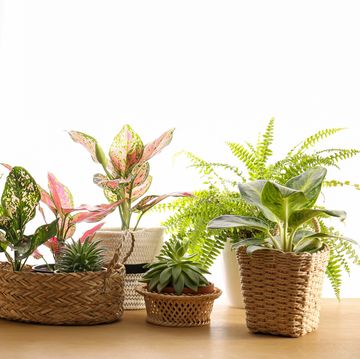
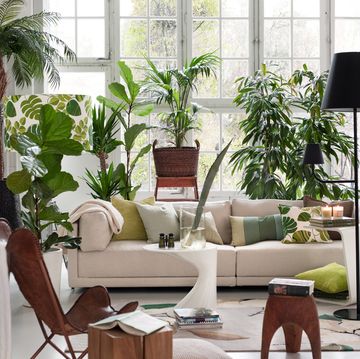
Light and water are the most important parts of any plant routine. Plants in the wild have a level of sun, rain, and humidity they’ve come to depend on. So when we bring those plants indoors, we need to recreate their natural environment to give them a chance to thrive. But if you don’t have many sunny spots, don’t worry. There are dozens of low-light houseplants that still breathe life into your home.
What does “low light” actually mean? Basically, you should still be able to comfortably read a book in your low-light room at any time of day. Low light does not mean no light, so avoid putting them in windowless bathrooms or closets. Some natural light should reach the room (or you’ll need a grow light to supplement).
Not sure if your space is considered “low light”? Check which direction your closest window faces. North- and east-facing windows get the most light in the early morning, and then provide low, diffused light through the rest of the day. These areas are pretty shady, and you likely never see the sun itself.
Below, we rounded up 26 houseplants that range from low-light tolerant to shady superstars. And they’re not boring plants, either. The colorful, geometric designs of the rattlesnake calathea are at home on damp, dark forest floors. They conserve the light with dark leafy undersides.
Add House Beautiful as a preferred source in your Google search results.
Use your Google account to add this to your settings.
The plants listed below will all survive in low light, but placing them in a shady corner might mean you don’t get the most out of your plant. Flowering plants won’t bloom in low light, and variegated plants may emerge fully green in their new leaves. You’ll need bright, indirect light instead to activate those responses in your plants.
Keep in mind, it’ll be extra important to keep up with their watering routine. Soil in low light stays wet for longer, so you have to be vigilant about overwatering. Alongside beautiful plant recommendations, we also share some need-to-know tips about how to care for each individual plant. The best part: these are all live plants you can have shipped right to your doorstep.
The cast iron plant earned its name for its hardiness. It’s one of the most low-light-tolerant houseplants out there, and is known to thrive in deep shade. The foliage is still vibrant, large and lush, like a Bird of Paradise with none of the maintenance headache. Slow-growing but non-toxic to pets, it doesn’t need much beyond well-draining soil and average household humidity.
Water: When the top three inches of soil are completely dry
The braided trunks of the Money Tree are one of its major hallmarks. The braiding is said to lock in good fortune, so it’s a great way to invite abundance into your home. Its wispy leaves are very susceptible to sunburn, so this is definitely a plant that prefers low light. It’s even pet-safe, so you can enjoy its star-shaped leaves as they fan out and grow.
Water: Once a week, when the top few inches of soil are dry
Peperomia plants are great for those living in small spaces. They usually stay pretty compact, so they’re primed for use on kitchen countertops or floating shelves. They actually enjoy being near a heat source, so you can place this one near the radiator with little concern. Though it’s a low-light plant, spindly green flowers can grow when it’s placed in bright, indirect light and high humidity.
Water: Frequently, when the soil is dry just below the surface
The fittonia, or “nerve plant”, has a striking look that’s hard to ignore. It earned its name from the colorful veins that run across the leaf’s surface, resembling a nervous system. The smaller-leaf versions of these plants do better in indoor environments. But note: these plants are drama queens. Their watering schedule is important, and they’ll dramatically wilt or drop leaves if they’re unhappy with the moisture level.
Water: Once a week, with soil drying between waterings
Though the plant got famous as the “Mini Monstera,” it’s not actually from the Monstera plant family. But the fenestrations (or holes) in the leaves are just as enticing. It grows quickly, and its small leaves can be shaped to climb along your walls for some beautiful biophilic design.
If you’ve ever seen a rabbit up close and personal, you can already see the resemblance between their little fuzzy feet and the feathery green leaves of the rabbit's foot fern. These beautiful plants are the Goldilocks of houseplants because they truly need the perfect amount of light to do well. Ideally, you can pop them in a corner where there’s a sheer shade covering the window. If they get too much light, the ends will crisp and brown, and if they don’t get enough light, they’ll just get droopy and dull.
Boasting expansive, T-shaped leaves, the blue star fern is an excellent choice for plant parents looking for a new challenge. While this variety is low-light friendly, it needs a lot of moisture and humidity to stay happy.
This type of philodendron has leaves that mimic the colors of a stunning sunset, and as it ages, they'll slowly transform into a rich green or copper hue. Best for indirect light or north-facing windowsills, you'll know if this low-light houseplant needs more sun if new leaves are growing without colorful pigmentation.
Tester Kate McGregor opted for a Boston Fern because she knew it had a chance at surviving in her north-facing apartment that gets no direct light. So far, so good: “As long as I remember to mist it to add humidity, this low-light indoor plant does great in my low-light space,” she says. “I prune every few months to keep the fronds from getting unruly.”
Maranta red prayer plants prefer bright, indirect light, but they can handle low light just as well. The only downside to receiving minimal light is lackluster leaves, which isn’t indicative of any issues; it’s just a side effect of low-light conditions. These plants are a bit on the temperamental side because they require a lot of humidity to thrive. However, they're safe to have around cats and dogs.
Staghorn ferns thrive in high-humidity environments with indirect or low light. They’re not quite as low-maintenance as some of their tropical cousins on this list, but they’re still worth the investment. To keep yours healthy, be sure to offer good air circulation, warm temperatures, lots of humidity, and consistent moisture. Not only are their antler-shaped leaves pretty, but they can also purify the air, so they’re ideal for bedrooms and bathrooms.
This cute low-light indoor plant boasts thick, spoon-shaped leaves and is both pet-friendly and shade-loving. In fact, too much intense sunlight can hurt the waxy leaves. Speaking of the leaves: Dust will show immediately on the dark green, shiny surface, so you'll want to wipe this plant down once a week or so.
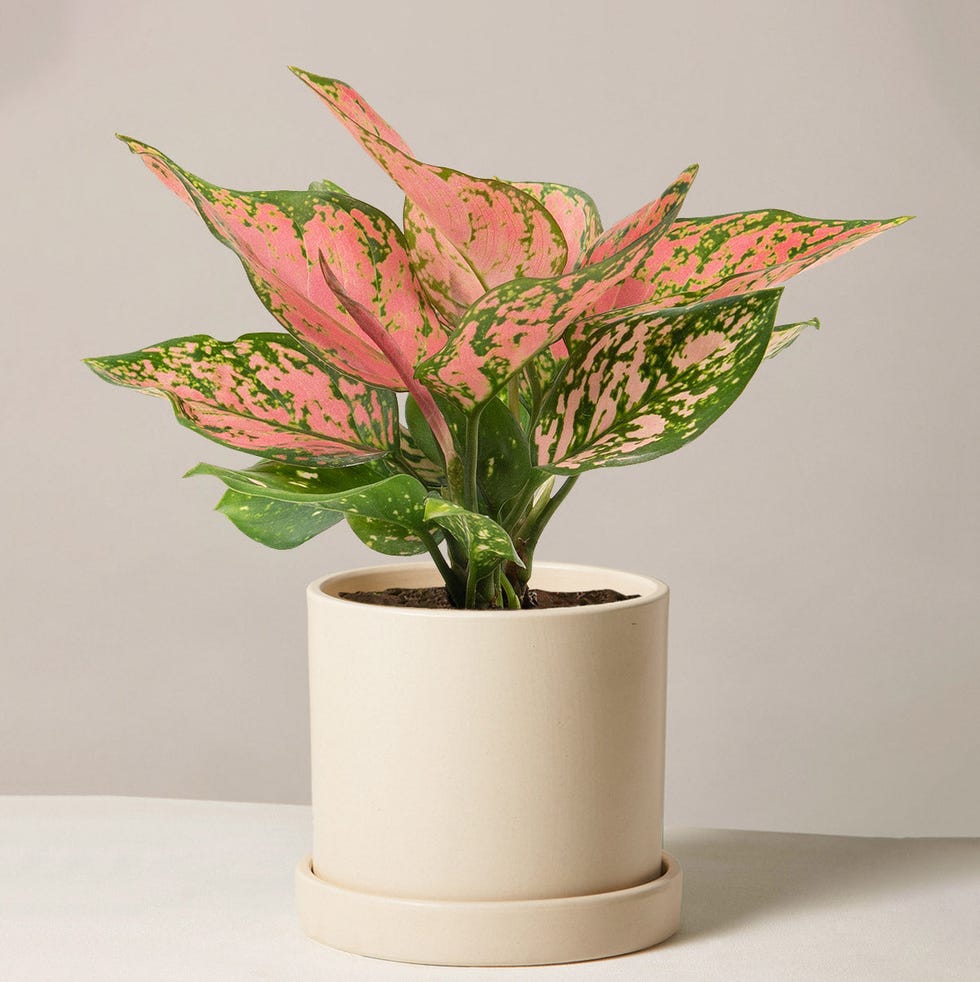
Since this is one of the most durable indoor plants out there—it does well in low light and needs to be fertilized only once or twice a year—it’s ideal for beginner gardeners. They come in a variety of colors, and your color of choice will change its light needs. Aim for greener aglaonemas in low, indirect light. Cold temperatures and dry air are the enemy of this colorful plant, so keep it near a humidifier for it to thrive. Sadly, the aglaonema is toxic to cats, dogs, and horses, so keep it away from your pets.
Ideal for bathrooms and other high-humidity environments, English ivy is a low-maintenance plant that doesn't require bright sunlight to thrive. Because this plant grows wild and fast, we recommend placing it in a hanging planter or using vine supports to help guide the new growth.
With stunning variegated leaves and trailing vines, this pothos variety is a great way to break up the many shades of green in your houseplant collection. Provide this low-light indoor plant with indirect sunlight and hang it up high to let the vines really show off.
Water: Every two to three weeks, allowing the soil to dry out between waterings
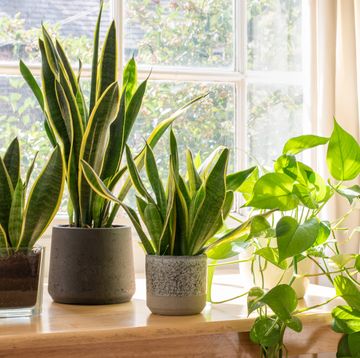
Tester Jessica Cherner got a snake plant back in July 2020, and it's still thriving. Snake plants are one of the hardiest tropical houseplants you can get. They tolerate all light conditions, but will grow more slowly in low light. Because it’s native to drier regions in West Africa, you should ease up on the watering schedule, especially in the winter. “I got a plant because I wanted to add a little bit of color and life to my apartment, but I didn’t want to spend more than a few minutes here and there taking care of it,” she says. “I literally water it every six to eight weeks, and that’s more than enough.”
Water: Every two weeks or when the top quarter of soil is dry
Available in a variety of sizes, the prayer plant is named for its leaves that open and close as the sun rises and sets. While the changing leaves may seem finicky, this resilient, low-light houseplant is surprisingly easy to care for. Plus, it acts as a natural air purifier.
This low-light houseplant, also known as the Victorian parlor palm, is famously resilient. It got its name for its popularity among wealthy Victorian-era families. Who wouldn’t love those pretty, feathery leaves that liven up any bland corner of your home? It grows slowly and is easy to care for, but don’t move it once it’s in a good spot. Be sure the soil is well-draining, as parlor palms are prone to overwatering. It’s also safe for your cats and dogs.
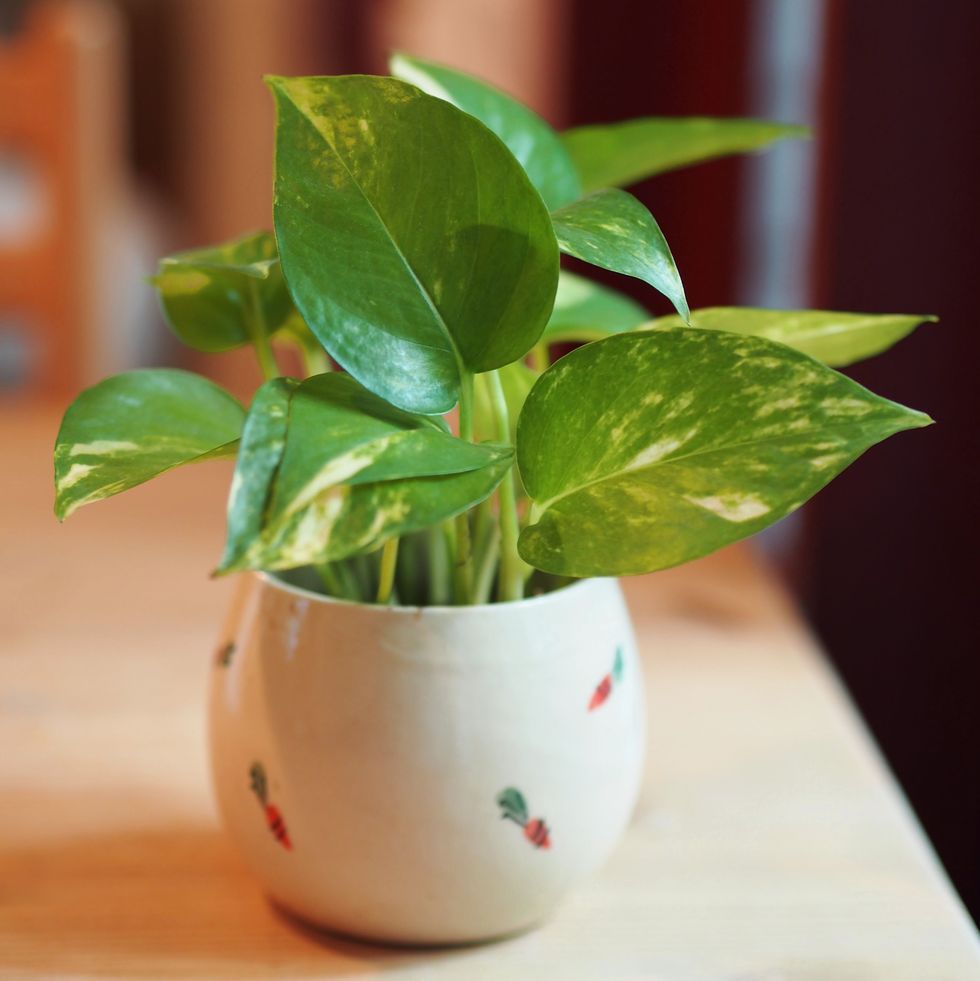
The devil’s ivy golden pothos plant (also known as pothos, which is Greek for “longing”) gets its name from its unique ability to grow vines even under the worst conditions. Because of this superpower, we suggest keeping this low-light indoor plant on its own inside rather than among other plants outdoors, where it can basically strangle the rest of your greenery. Keep it away from your cats and dogs, because it can be fatal if ingested.
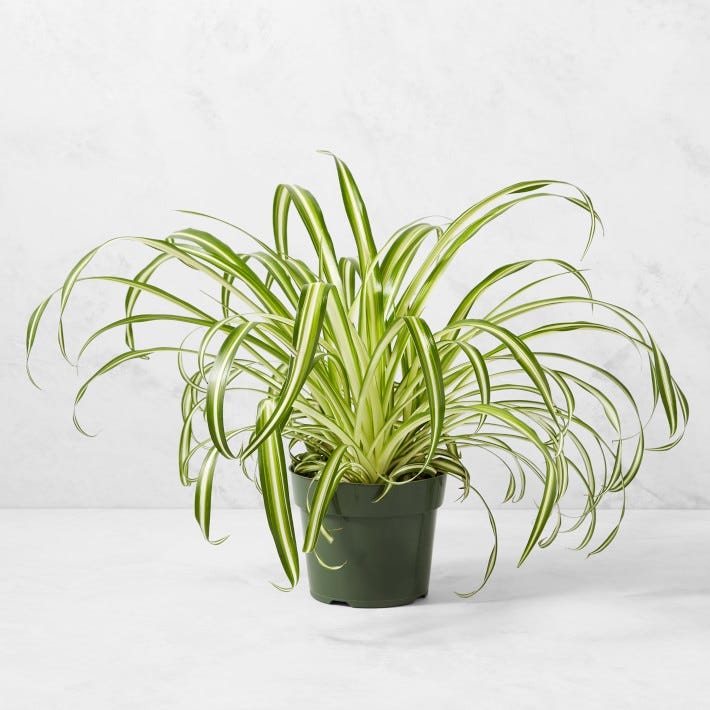
The spider plant tolerates neglect, so if you’re a busy plant parent, it could be a great fit. It grows quickly and propagates easily through little plantlets that grow at the ends. Place your spider plant in bright to moderate light in a room that’s a comfortable temperature for everyone, including you. Any temperature that feels too hot or too cold could lead to an early death for your spider plant. Be sure to keep the soil slightly moist at all times.