3 min read
Designing your landscaping can be just as important as designing your home, and every bit as difficult. Faced with seasonal blooms, climate conditions, and the ever-rolling seasonal shifts, keeping your landscaping up to date is much more complicated than swapping out pillow shams and rearranging your mantel. When executed well, a manicured lawn can drastically improve your home’s overall aesthetic and can even up your curb appeal.
Landscaping transcends beauty. Selecting the right shrubs, flowers, and trees also plays an essential role in supporting the local ecosystem. The plants you choose, the arrangement you design, and the materials you use to support them can affect your neighborhood’s biodiversity and impact the overall environment. In some cases, it’s best not to overcomplicate things. Simply keeping to a good watering routine can do wonders for your yard, and if you’re feeling like embracing your whimsy, chaos gardening is a great option that also packs a punch of variety.
Whether you’re aiming for high or low maintenance, one thing is for sure: these four landscaping trends deserve to be left in the past.
Additional copy by Alyssa Khan.
Artificial Turf
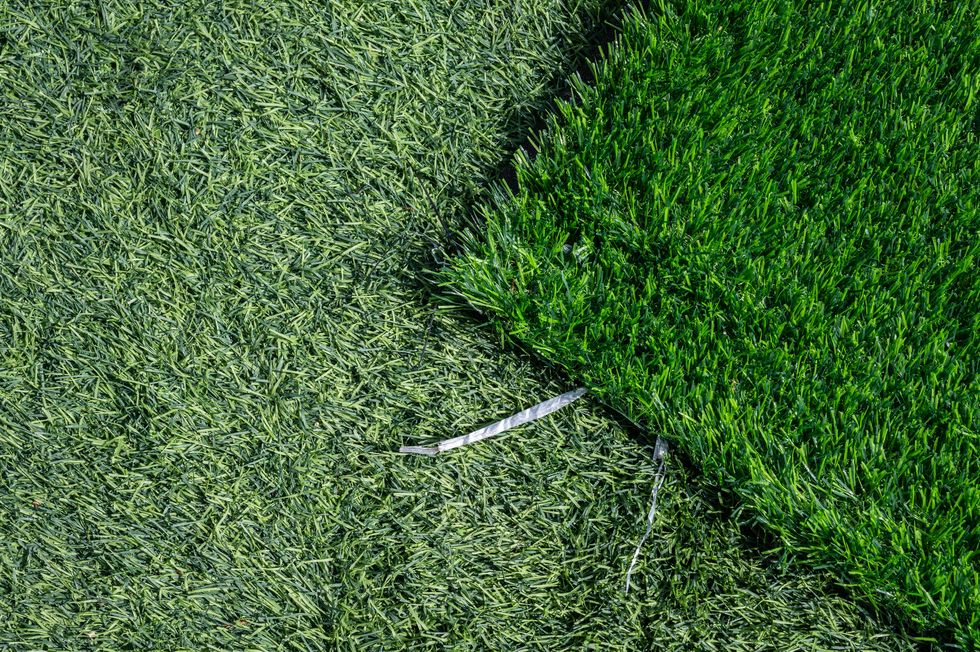
Erik Collado Vidal, a horticulturalist, cultivation industry expert, and CEO of Growbarato.net, would like to see less artificial grass, especially on big residential or commercial properties. "I know it seemed like an attractive option when it came out, as it's easy to maintain and green all the time, but the long-term effect on soil quality and local ecosystems is drastic," he said.
Vidal explained that it's important to think about the effects on wildlife and the ground underneath. "I've watched too many gardens that once had life in them, worms and helpful insects and birds too, become sterile wastelands," he said. "Once the soil beneath is choked out, it's difficult to regain it. It's more than what you can see on top."
Boxwood Hedges
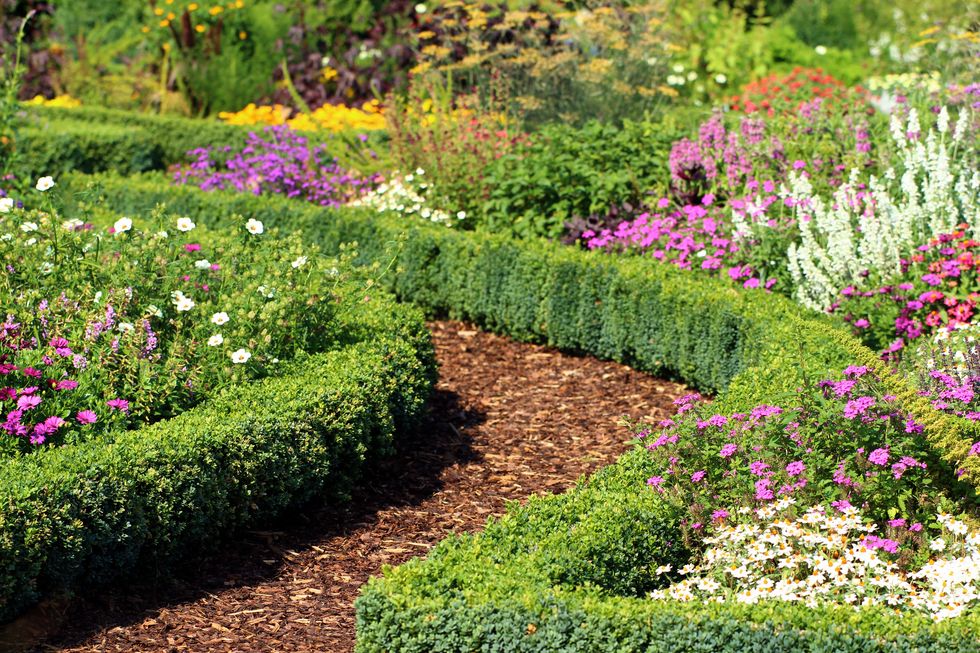
Vidal also believes that boxwood hedges should be retired, as they don't provide any margin for natural growth or ecological benefit. "What you're left with are landscapes that resemble diagrams rather than living systems," he explained.


He works with growers and customers who are "beginning to realize the benefit in having less control and more resilience," as the plants can adapt and evolve and work together to support one another. "When we over-design an area, it ceases to be sustainable," he says.
Checkerboard Grass
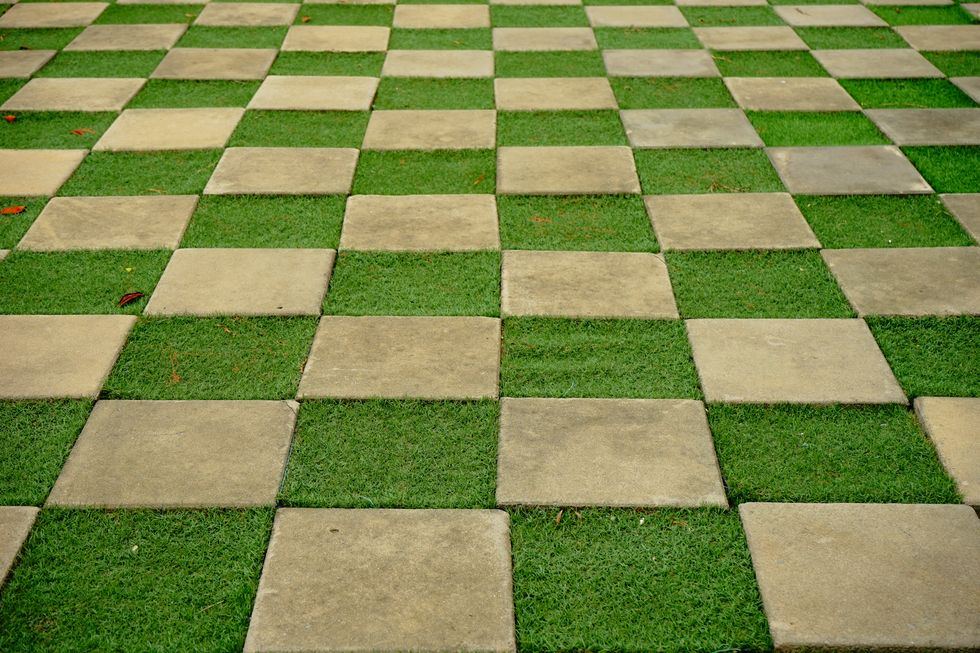
Meanwhile, Johannes Hock, President of Artificial Grass Pros, thinks that checkerboard grass, which first became popular in the 1930s, should stay in the past.
"It looks sharp in photos, but people don’t think through what it takes to keep it looking clean," he explained. "Grass doesn’t love being boxed into perfect little squares with heavy traffic running over it, and it starts to look worn out pretty fast."
He has seen clients get frustrated with their checkered lawns pretty quickly as they require a lot of maintenance, especially in areas where there's a lot of foot traffic or sun exposure.
Gravel-Heavy Gardens
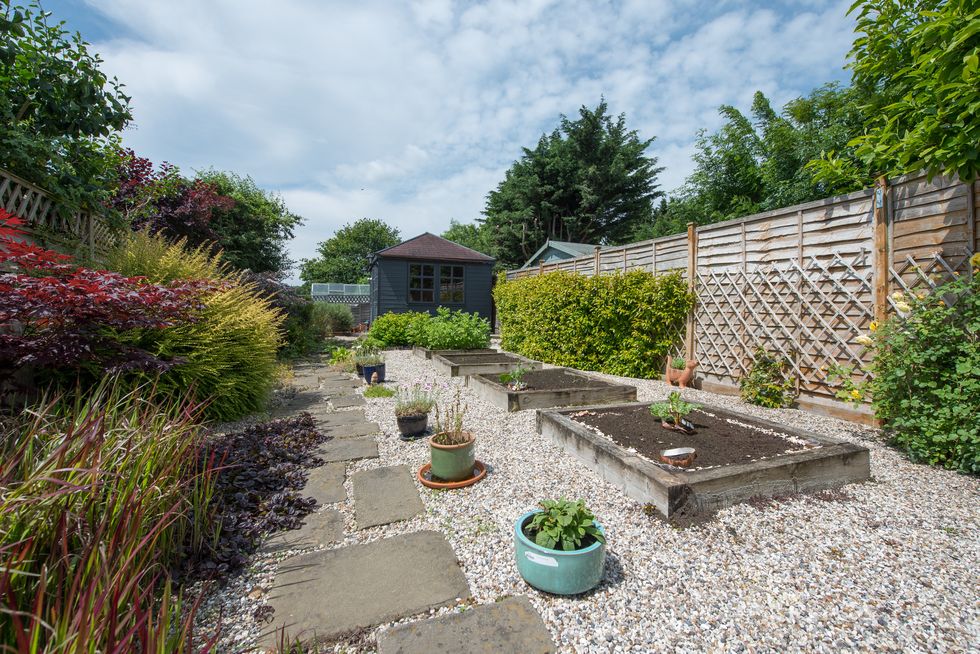
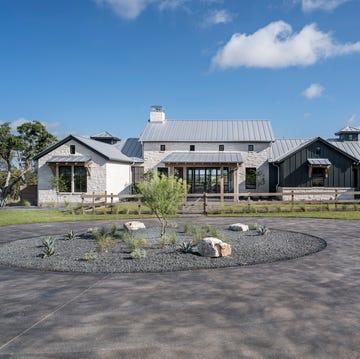
While we love hardscaping as a low-maintenance alternative to a grassy lawn, it's important to be thoughtful about how you design an all-gravel area. Hock feels that these types of yards, at their worst, can look cluttered and unfinished. If you're aiming for a modern look, you should think twice before you replace all of your lawn and flowerbeds with crushed granite.
"It might be low maintenance, but it gives off more of a commercial parking lot vibe than a livable yard," he said. "I get wanting to cut down on water and lawn care, but there are better ways to get that clean look without giving up comfort or personality."