Every item on this page was hand-picked by a House Beautiful editor. We may earn commission on some of the items you choose to buy.
From crawling vines to fern-like leaves, there are philodendron types for every style of green thumb. Philodendrons range from large to small, bright green to nearly black, and low maintenance to delicate. In fact, they're some of the most versatile indoor plants in the world, with nearly 700 species accepted by the Plants of the World Online database and more than 200 subspecies. If you're a houseplant novice, you can pick an easy-to-care-for type of philodendron, while their rarer and fussier cousins are perfect for a pro who's looking for a special new plant.
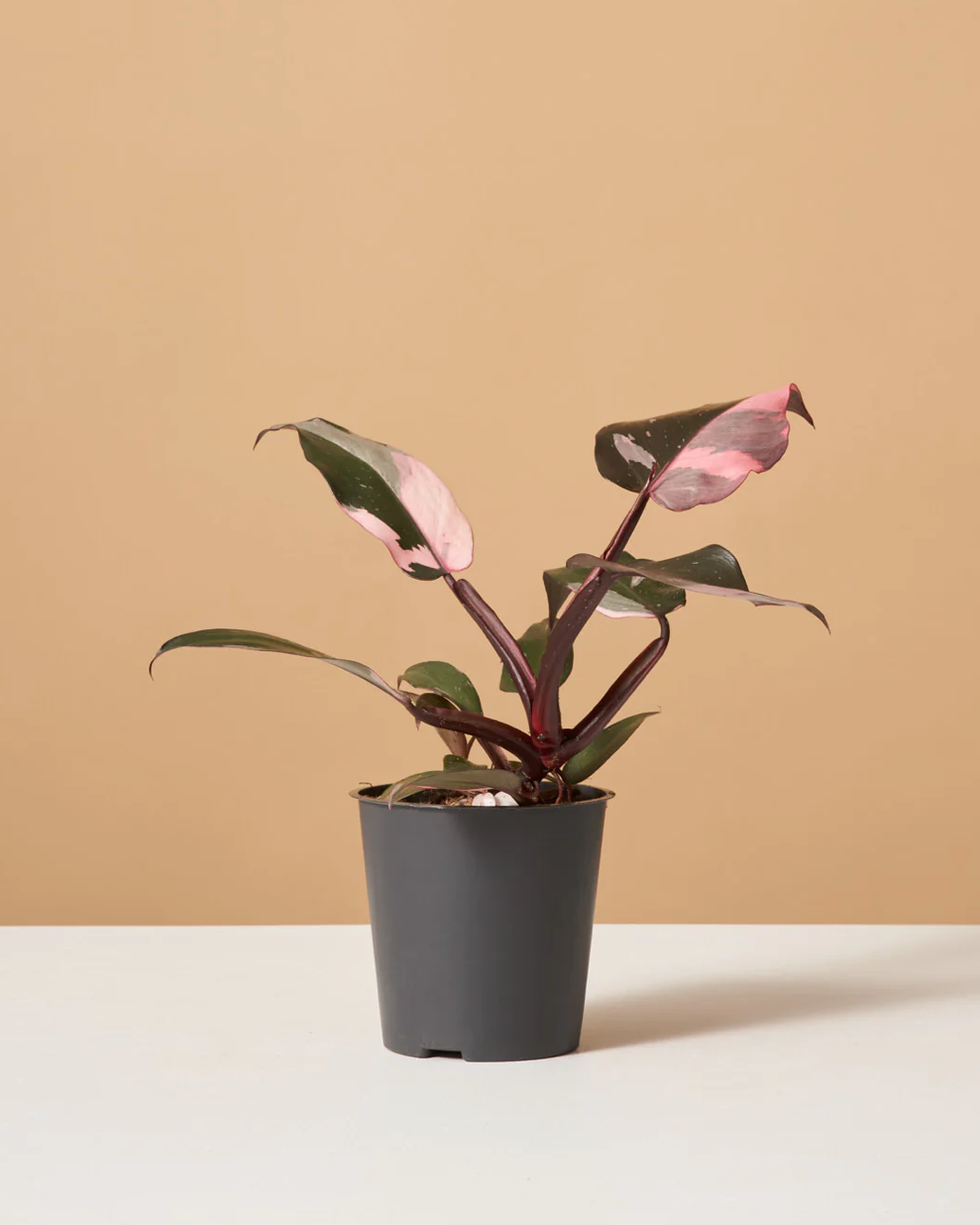
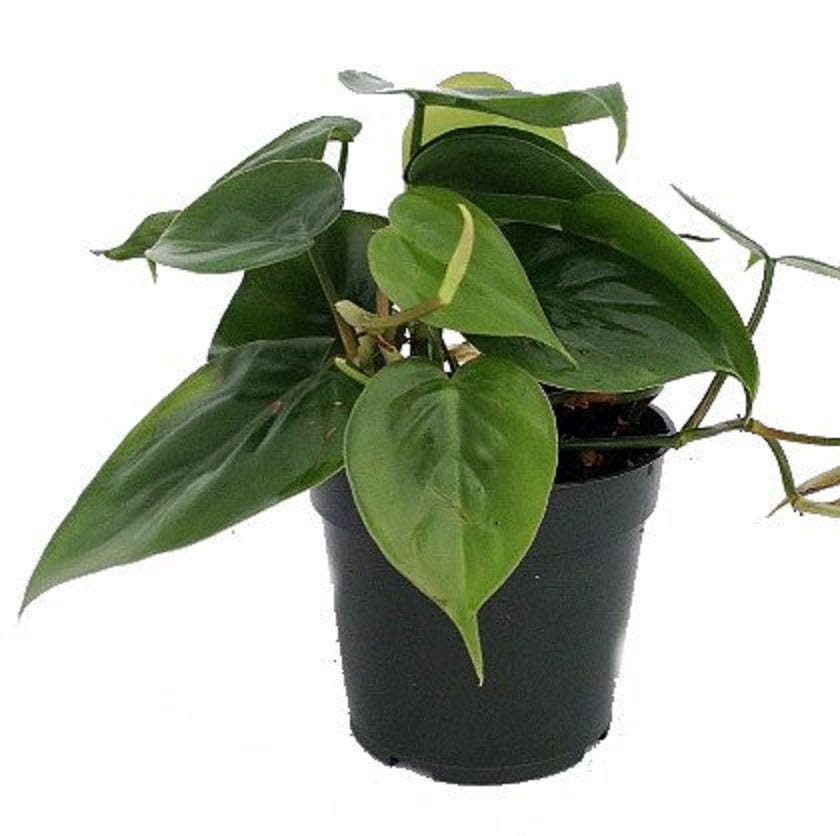
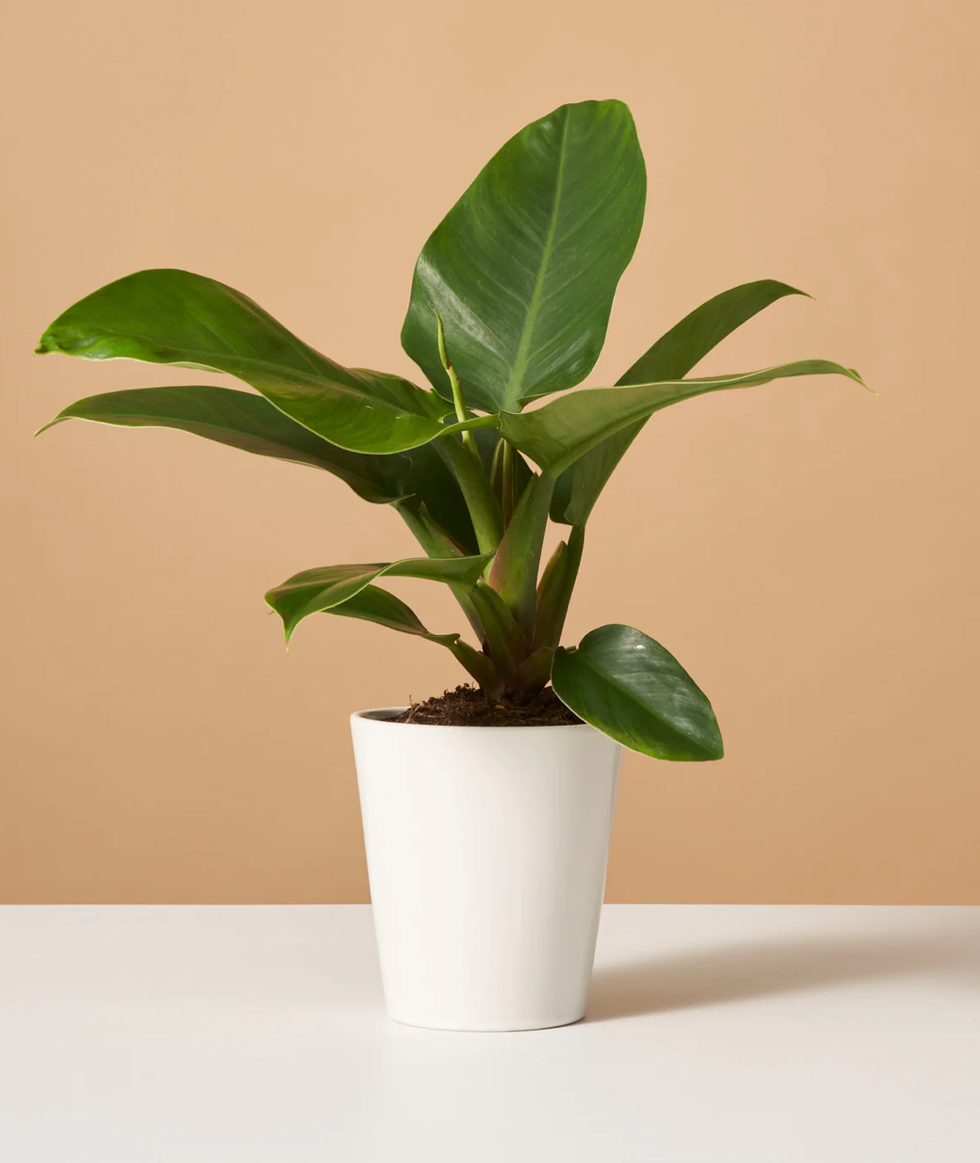
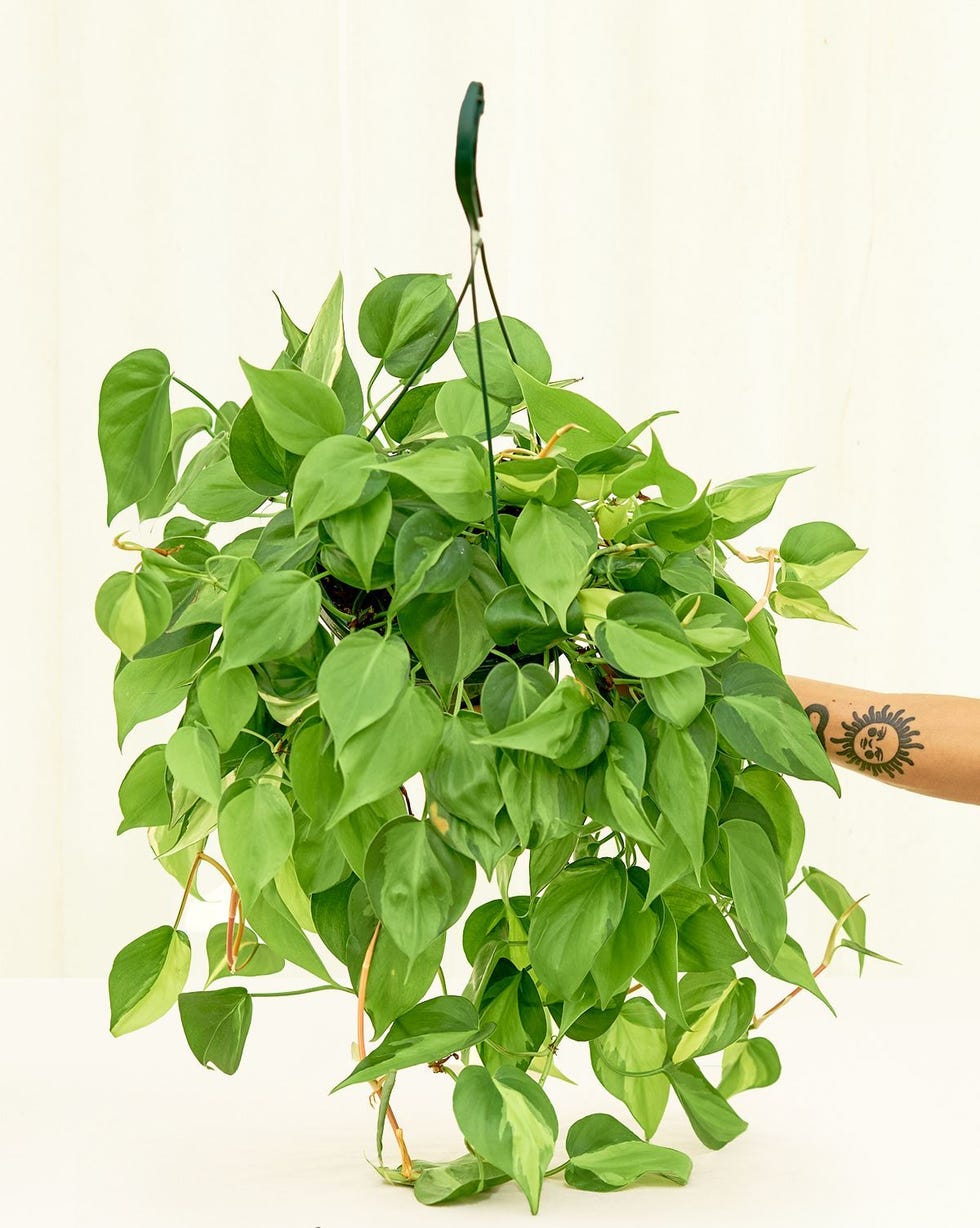
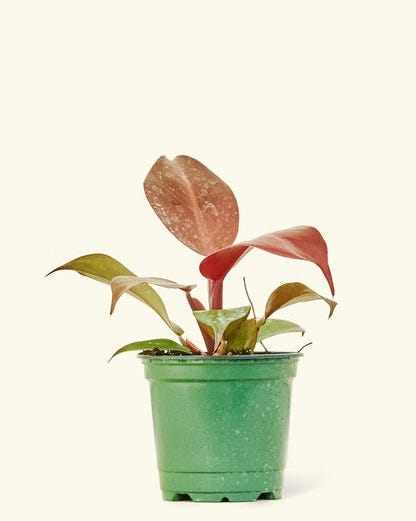
Native to hot and humid regions of the world like the rainforests of South America, these wildly popular tropical houseplants are categorized by the way they grow: climbing or upright. A Pink Princess philodendron is an upright variety because it produces individual leaves rather than vines like those of the Brazil philodendron.
You should always check your specific plant's care requirements, but there are a few general care guidelines that apply to all philodendron types. Because of their tropical nature, philodendrons enjoy warmer temperatures (typically anything above 65 degrees). To maintain the humidity they like, mist your plant regularly in between waterings, use a humidifier, or opt for a pebble tray. As far as sunlight is concerned, you want bright and indirect light; a spot opposite a window is ideal for most philodendrons, though some are low light friendly. The right amount of light ensures your indoor philodendron will look as vibrant and variegated as possible.
We know 700 is an overwhelming number to choose from. To help you start or add to your philodendron collection, we've gathered the 20 best philodendron types to grow indoors. From the classic green philodendron to the showstopping and rare Warscewiczii aurea, you'll find all the best climbing and upright varieties of philodendron below.
Usually a lack of color on the leaves means something's wrong with your plant, but that's just this philodendron's signature look. The stunning white splotches will add contrast to your other greenery.
Care Level: Easy
Light Requirements: Medium to bright indirect light
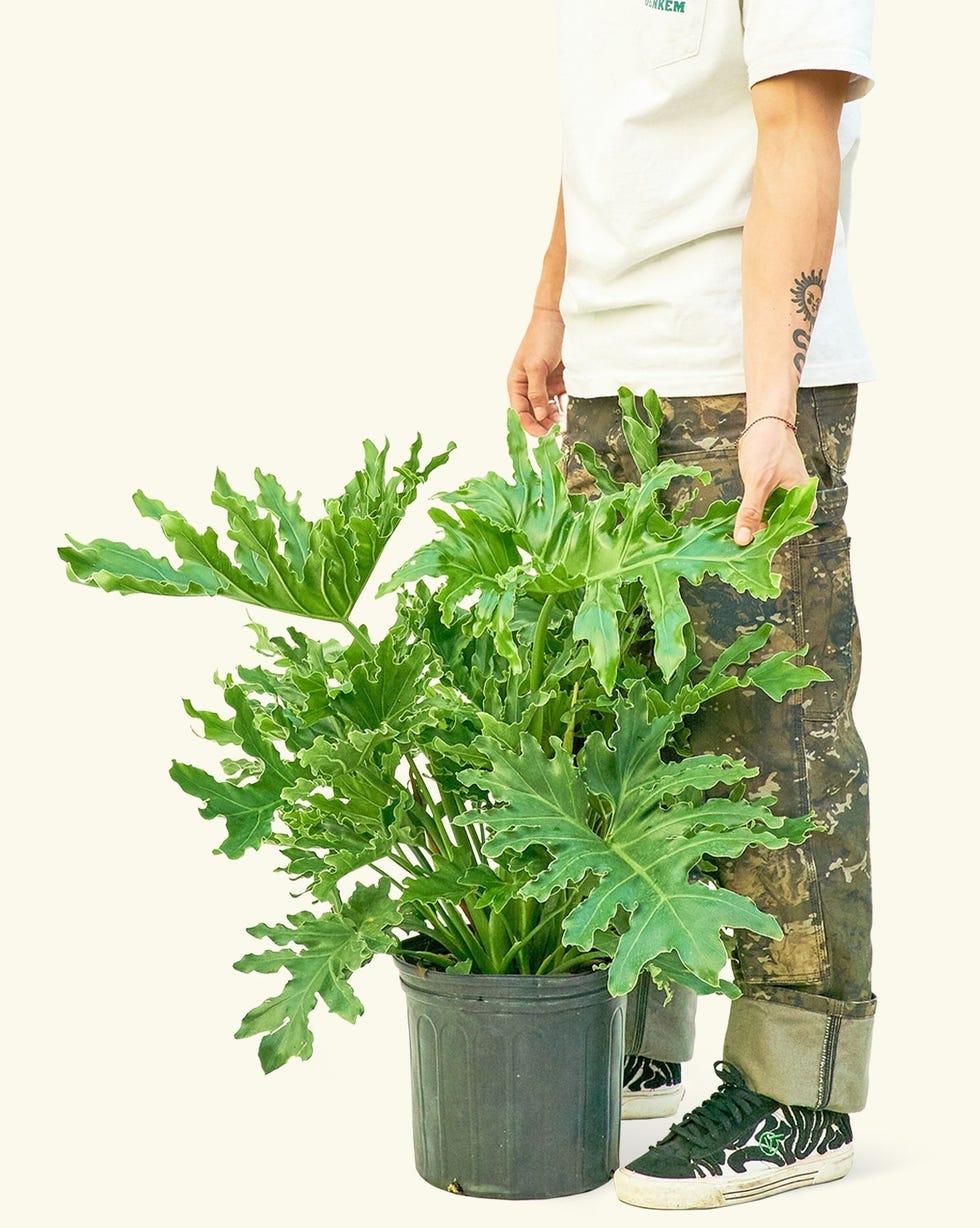
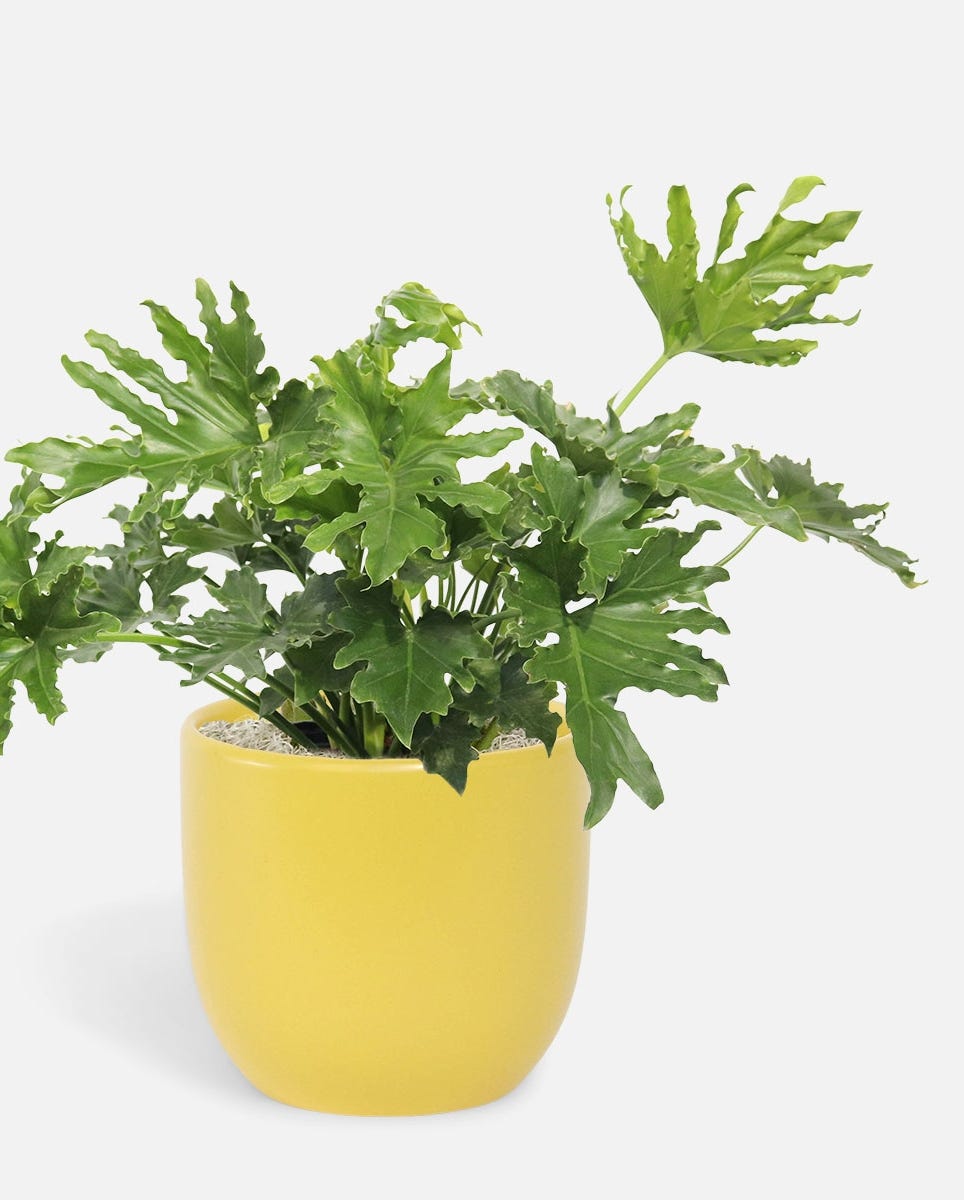
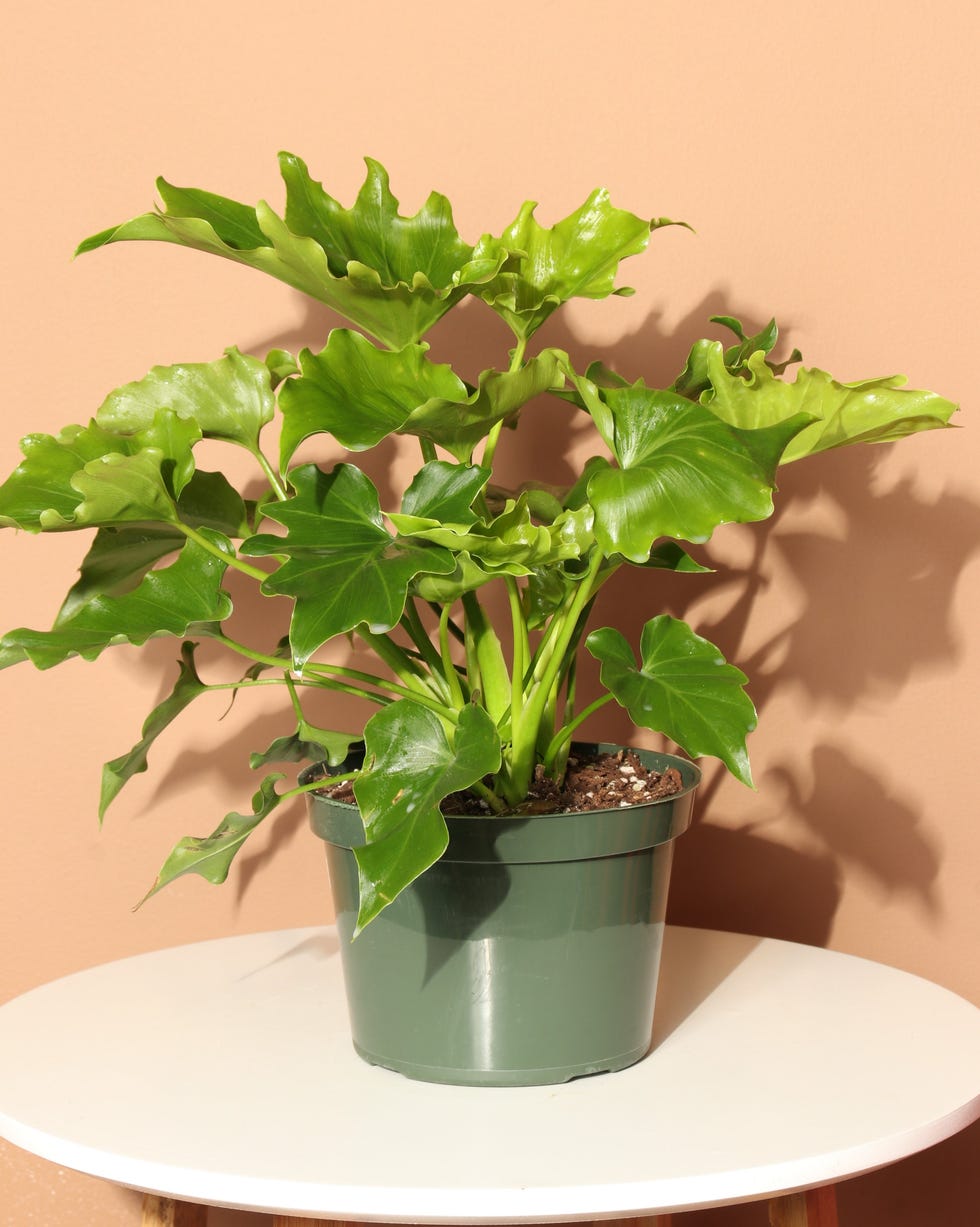
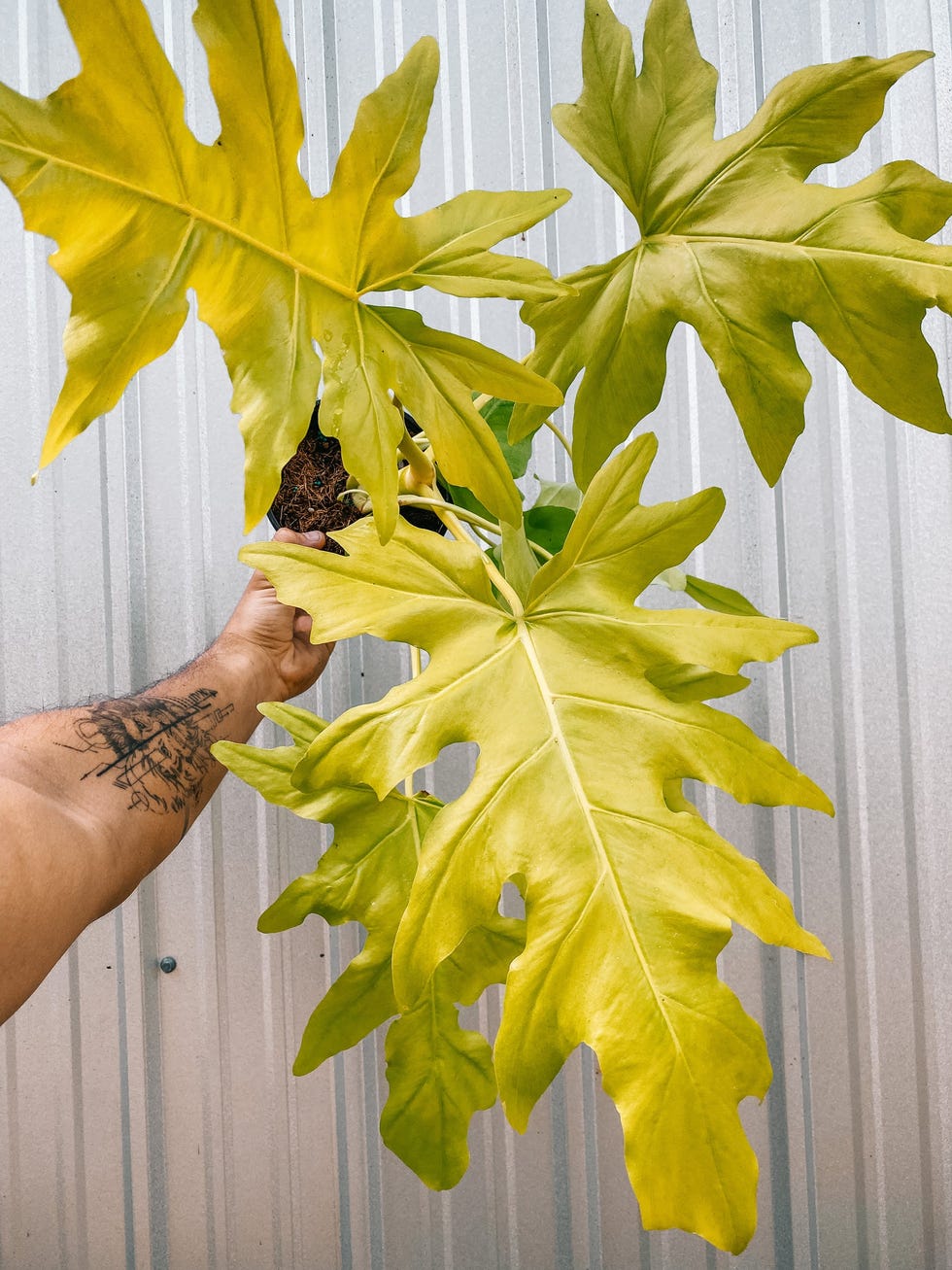
Perfect for beginners, the Philodendron Selloum is a big plant that makes a statement. It's ideal for a bookshelf or corner where it has room to spread out.
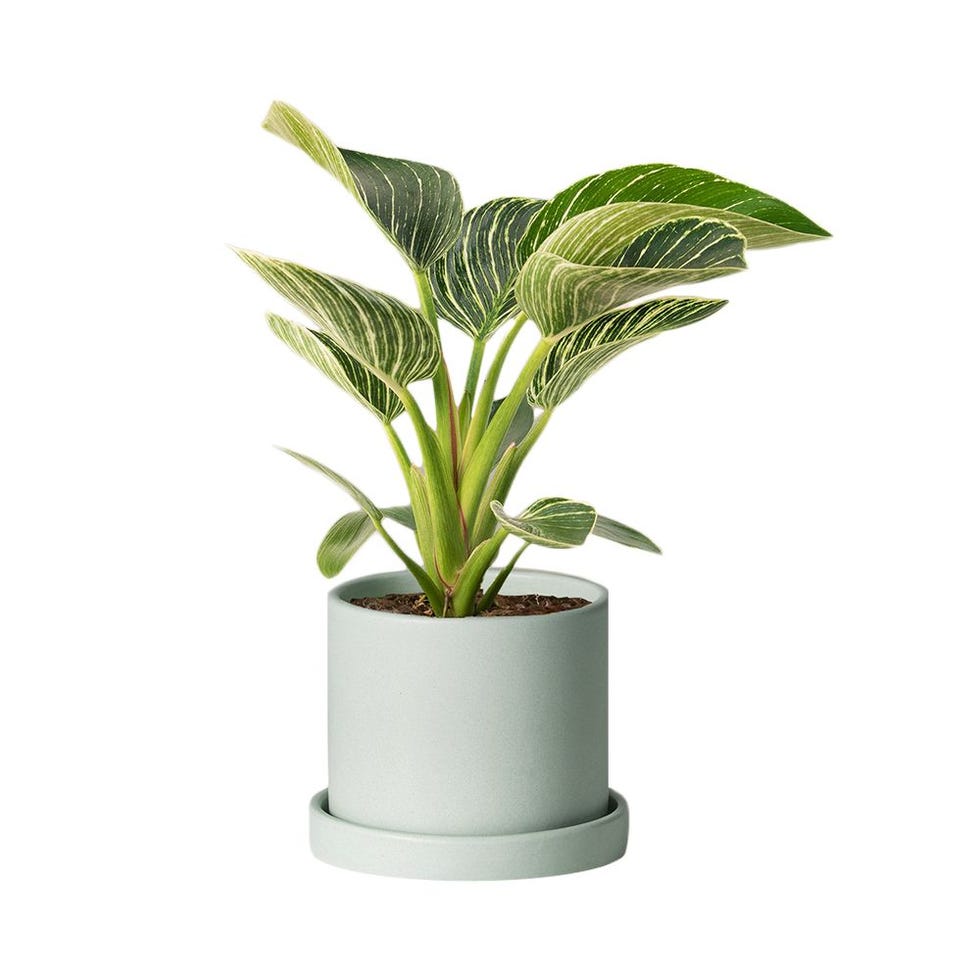
Identified by the varying green stripes on its leaves, the Birkin is a unique hybrid that can't be found in the wild. It grows slowly but steadily when you care for it properly.
Care Level: Medium
Light Requirements: Medium to bright indirect light. Not suited for direct afternoon sun
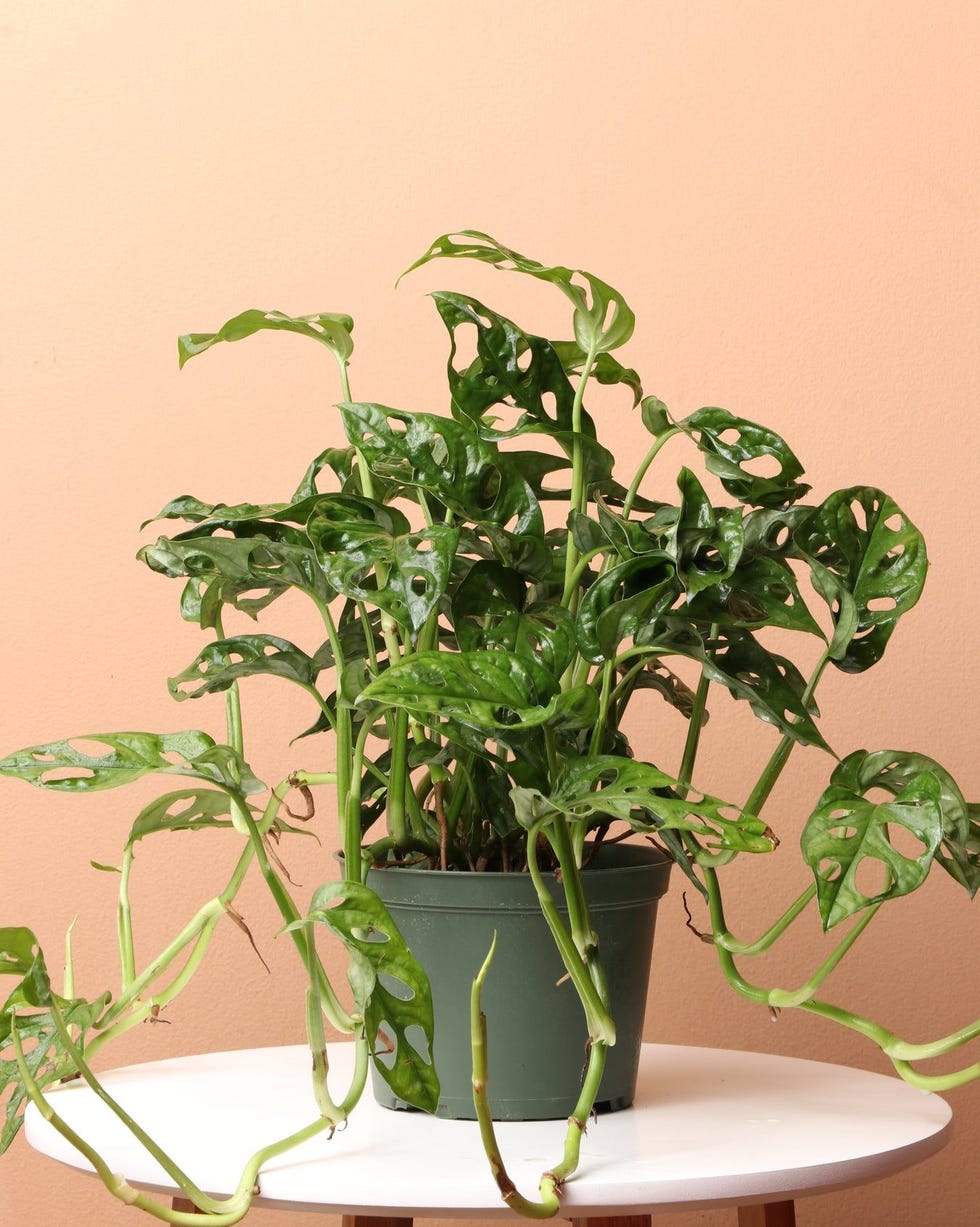
With hole-filled leaves that resemble slices of Swiss cheese, this houseplant is one of the most low light friendly philodendron types and can thrive even in spaces with north-facing windows.
This philodendron has long leaves with variegated horizontal stripes. It's a compact climber, so place yours in a small area or nestle it among other houseplants.
Houseplant collectors, you're going to want this rare philodendron. Its big marbled leaves can be white, pink, green, or even bronze, reminiscent of fall foliage.
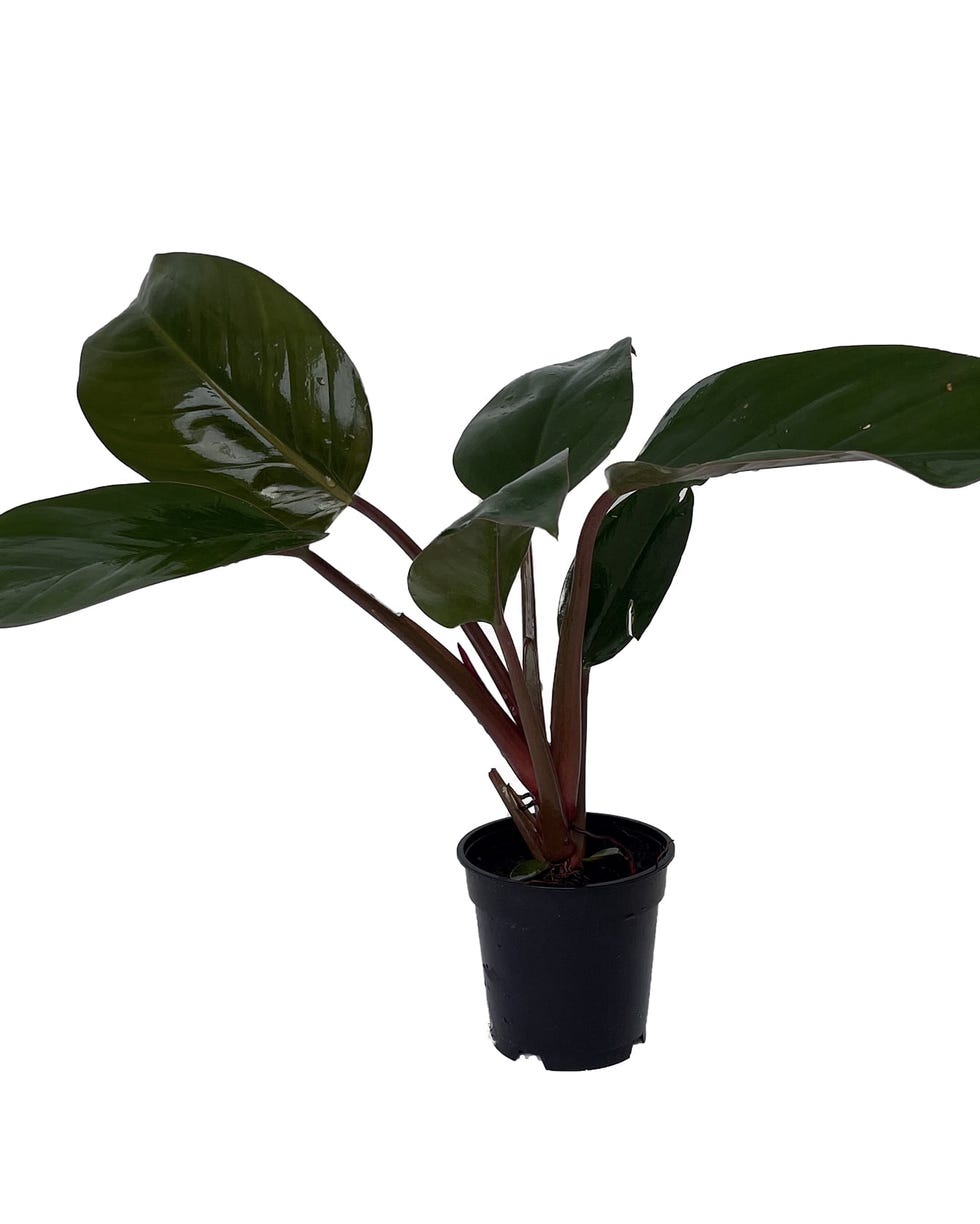
Similar to the Imperial Green but with burgundy coloring rather than emerald, this variety is for beginners who want to start expanding their comfort zone. It's adaptable and very forgiving.
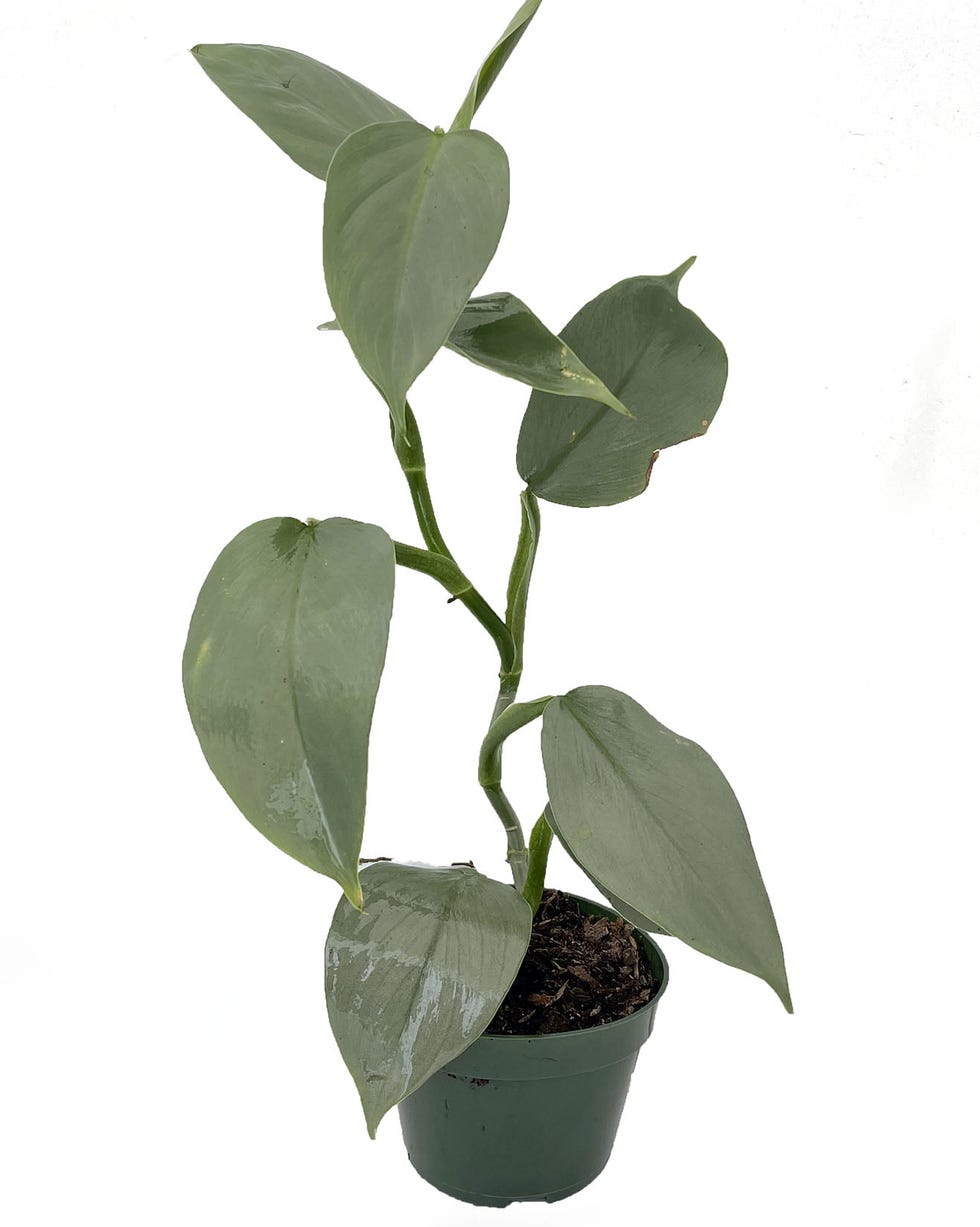
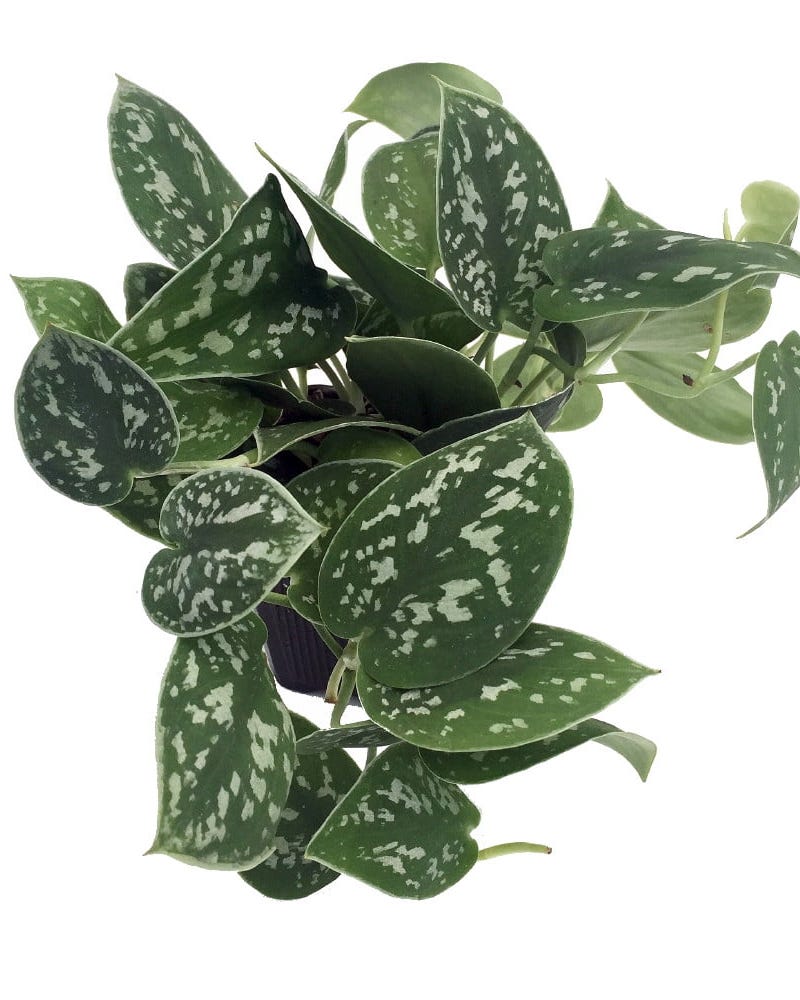
Known for its silver splotches, this plant is a vining philodendron native to Indonesia. It's lovingly low maintenance—just be sure to offer it ample humidity by using a mister or humidifier.
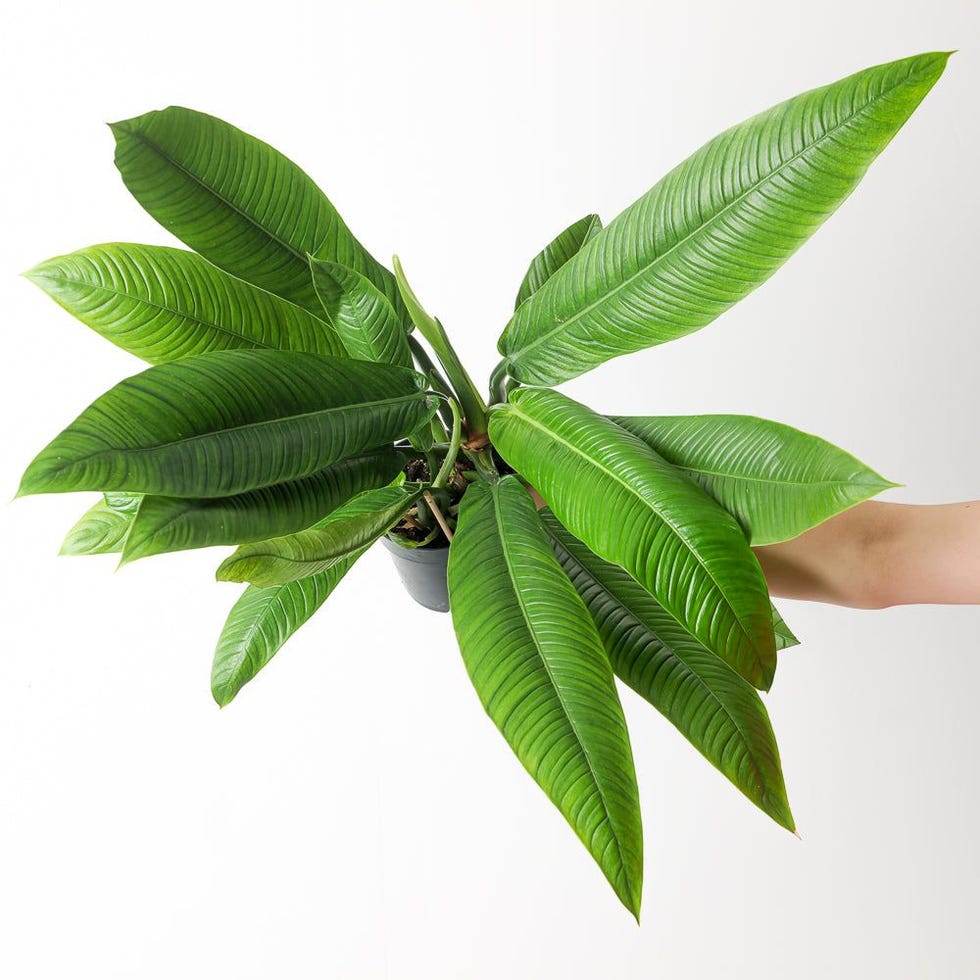
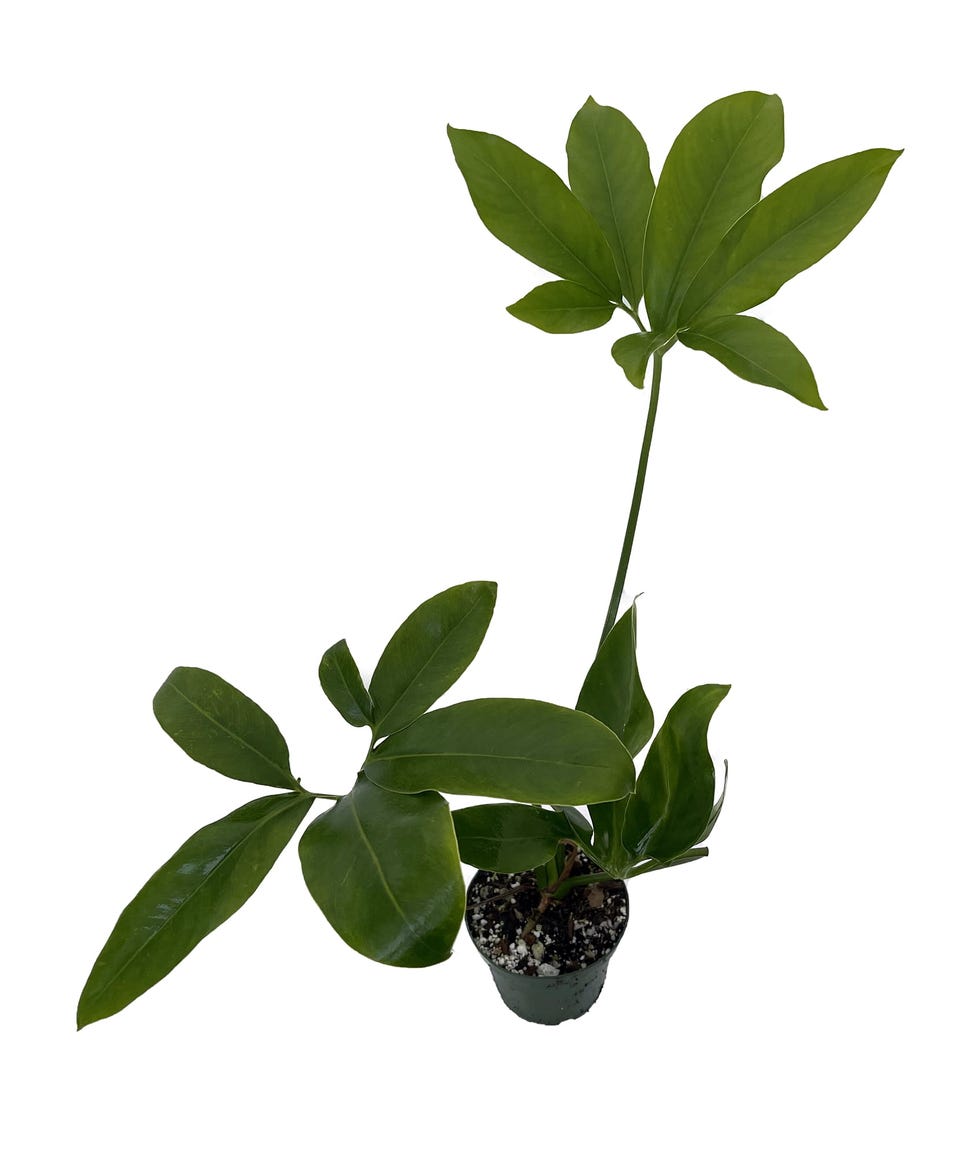
A rare philodendron, this plant has long, slender stems with smaller groupings of leaves. It likes to grow in moist sphagnum moss or a peat-based soil.
Nearly black, this plant's rich, glossy leaves are beloved for their intense coloring. Unlike other philodendron types, it doesn't climb or sprawl like a vine. It's a self-heading, or arborescent, philodendron, which means it fans out more like a tree.