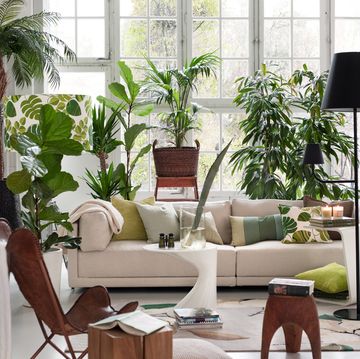
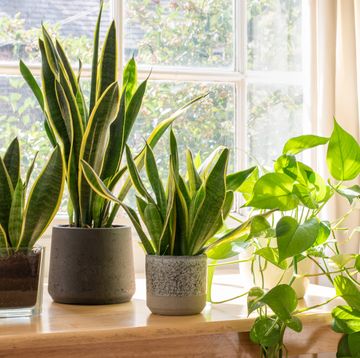
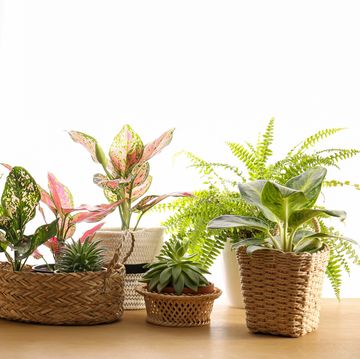
Nothing enhances a home’s atmosphere quite like indoor palm plants. Their lush, tropical look adds a calming presence and a pop of green—even during the coldest months. These vibrant plants not only purify the air but also increase humidity, making them a functional and beautiful addition to any space. Whether you're new to houseplants or already have a green thumb, there’s likely an indoor palm plant out there that will match your environment and routine.
Most indoor palm plants share similar needs with other tropical varieties. They thrive in warm environments with moderate light and humidity, though some can adapt to low-light conditions. Horticulture expert Melinda Myers advises, "Make sure the palm you choose is suited to the growing conditions and the type of care you can provide. Also, make sure you have the needed light and humidity it requires and have the space for it to flourish and show off its beauty.”
Caring for Indoor Palm Plants
To ensure your indoor palm plants stay healthy and vibrant, Myers recommends the following care guidelines:
Use containers with drainage holes and soil that drains well.
Mist regularly to support proper humidity levels.
Keep away from cold drafts or heating sources.
Feed during spring and summer with a balanced liquid fertilizer.
Remove any yellow or dead fronds to promote strong growth.
Choose fluoride-free distilled water to prevent browning tips.
With consistent care, indoor palm plants can thrive for years, offering long-lasting beauty and tranquility. Whether you gravitate toward a classic parlor palm or something more dramatic like a majesty palm, they can effortlessly elevate your interior while bringing a bit of the tropics home.
Ahead, here are some of the top palm varieties for indoor growing, plus expert guidance on keeping them looking their best.
Also known as the butterfly palm, the areca palm is a popular choice for its feathery, arching fronds and air-purifying qualities. Myers notes that it can be more finicky to grow than other varieties. “It prefers bright light and high humidity which makes it more difficult than the other palms for most gardeners,” she says. It grows about six to seven feet tall and up to three or four feet wide.
Botanical Name:Dypsis lutescens
Light Requirements: Bright, indirect light; tolerates some direct sun
Water Requirements: Keep soil lightly moist but not soggy; allow the top inch to dry out between waterings
Color Varieties: Green fronds, golden-yellow stems
2
Parlor Palm
dropStock//Getty Images
“Parlor palm is a traditional favorite whose common name reflects the fact it was often grown in the low light parlors in homes during the Victorian era. It is still popular due to its low light tolerance and availability at retail locations,” says Myers. She recommends keeping the soil moist, not wet, and not allowing the plant to sit in excess water that collects in the saucer. This single-stemmed palm grows up to six feet tall.
Botanical Name:Chamaedorea elegans
Light Requirements: Low to moderate, indirect light
Water Requirements: Water when the top inch of soil is dry; avoid overwatering
Color Varieties: Deep green fronds
Advertisement - Continue Reading Below
3
Kentia Palm
Photology1971//Getty Images
For an effortlessly elegant palm that can tolerate neglect, the kentia palm is a fantastic option. It grows slowly and can adapt to various lighting conditions.
Botanical Name: Howea forsteriana
Light Requirements: Low to bright, indirect light
Water Requirements: Let soil dry out slightly between waterings
Color Varieties: Deep green fronds with a graceful, arching habit
4
Bamboo Palm
Oksana Lyskova//Getty Images
“Bamboo palm produces multiple stems that resemble bamboo and can grow up to seven feet tall,” says Myers. It's a powerful air purifier and thrives in lower light. Bamboo palms are great for removing toxins from the air while adding a tropical feel to your home.
Botanical Name:Chamaedorea seifrizii
Light Requirements: Low to moderate, indirect light
Water Requirements: Water when the top inch of soil is dry
Color Varieties: Green fronds with multiple reed-like stems
Advertisement - Continue Reading Below
5
Lady Palm
Wagner Campelo//Getty Images
This elegant palm has fan-shaped fronds and thrives in indoor environments with minimal care, according to Myers. It's an excellent choice for beginners.
Botanical Name:Rhapis excelsa
Light Requirements: Low to moderate, indirect light
Water Requirements: Keep soil slightly moist, but avoid soggy conditions
Color Varieties: Deep green fronds, sometimes variegated
6
Ponytail Palm
Yobab//Getty Images
Despite its name, the ponytail palm is technically not a true palm. It has a thick, water-storing trunk and long, curly leaves that resemble ponytails.
Botanical Name: Beaucarnea recurvata
Light Requirements: Bright, indirect light to direct sun
Water Requirements: Water sparingly; allow soil to dry out completely between waterings
Color Varieties: Green, cascading leaves
Advertisement - Continue Reading Below
7
Majesty Palm
Jana Milin//Getty Images
This tropical beauty boasts long, arching fronds and thrives in bright spaces with consistent humidity. It requires a bit more care but will reward you with stunning foliage. “This single-stem plant is often grown with several plants in one pot for a fuller look,” says Myers.
Botanical Name:Ravenea rivularis
Light Requirements: Bright, indirect light
Water Requirements: Keep soil evenly moist but not soggy; mist regularly
Color Varieties: Deep green fronds
8
Pygmy Date Palm
Wirestock//Getty Images
For those looking for a miniature palm with a tropical feel, the pygmy date palm is a great option. It features feathery fronds and a compact size, making it perfect for smaller spaces.
Botanical Name:Phoenix roebelenii
Light Requirements: Bright, indirect light
Water Requirements: Water when the top inch of soil is dry
Color Varieties: Green fronds, brown textured trunk
Advertisement - Continue Reading Below
9
Fishtail Palm
sirichai_asawalapsakul//Getty Images
Named for its unique, jagged leaves that resemble a fish's tail, this palm is a showstopper with unusual foliage.
Botanical Name: Caryota mitis
Light Requirements: Bright, indirect light
Water Requirements: Keep soil evenly moist, but ensure good drainage
Color Varieties: Green fronds with a distinct, fishtail shape
10
Sago Palm
Olga Peshkova//Getty Images
Though technically a cycad rather than a palm, the sago palm is often grouped with palms due to its striking, tropical look. Be aware that it is toxic to pets.
Botanical Name: Cycas revoluta
Light Requirements: Bright, indirect light
Water Requirements: Allow soil to dry out between waterings
Melinda Myers is a gardening expert, TV/radio host, and columnist with over 30 years of horticulture experience and has written more than 20 gardening books. Melinda has a master’s degree in horticulture, is a certified arborist, and was a horticulture instructor with tenure. She served on the board of directors for the International Society of Arboriculture.
 Expert consulted: