

Lockdown has seen the UK plant 322 million more plants than last year, which has had a significantly positive effect on bees, butterflies and local wildlife, increasing biodiversity. But as lockdown restrictions begin to ease, these efforts could go to waste as 36 per cent of Brits admit they will tend to their gardens less, according to new research by Homebase.
Quarantining at home has seen the nation spend on average three more hours a week in their gardens, and a staggering £5.4 billion on sprucing up their outdoor spaces. Even those without a garden are adding to the country’s growing ecosystem, with the average person buying two new houseplants in the last three months.
Almost two-thirds (64 per cent) of the nation say they have planted more plants than last year and 22 per cent have made a specific effort to plant with the environment in mind, but almost 1 in 10 admit that whilst they care about the environment, they believe there is nothing they can do to make a difference.
BBC’s Instant Gardener, Danny Clarke, disagrees, and has teamed up with Homebase to help budding and established gardeners learn about biodiversity and how they can support it from their own spaces.
'There is so much talk about biodiversity and the environment, and this can seem really daunting, but the reality is there are lots of really simple things you can do that have a direct impact on the bugs, bees and birds that we need more of in our local environment,' says garden designer Danny.
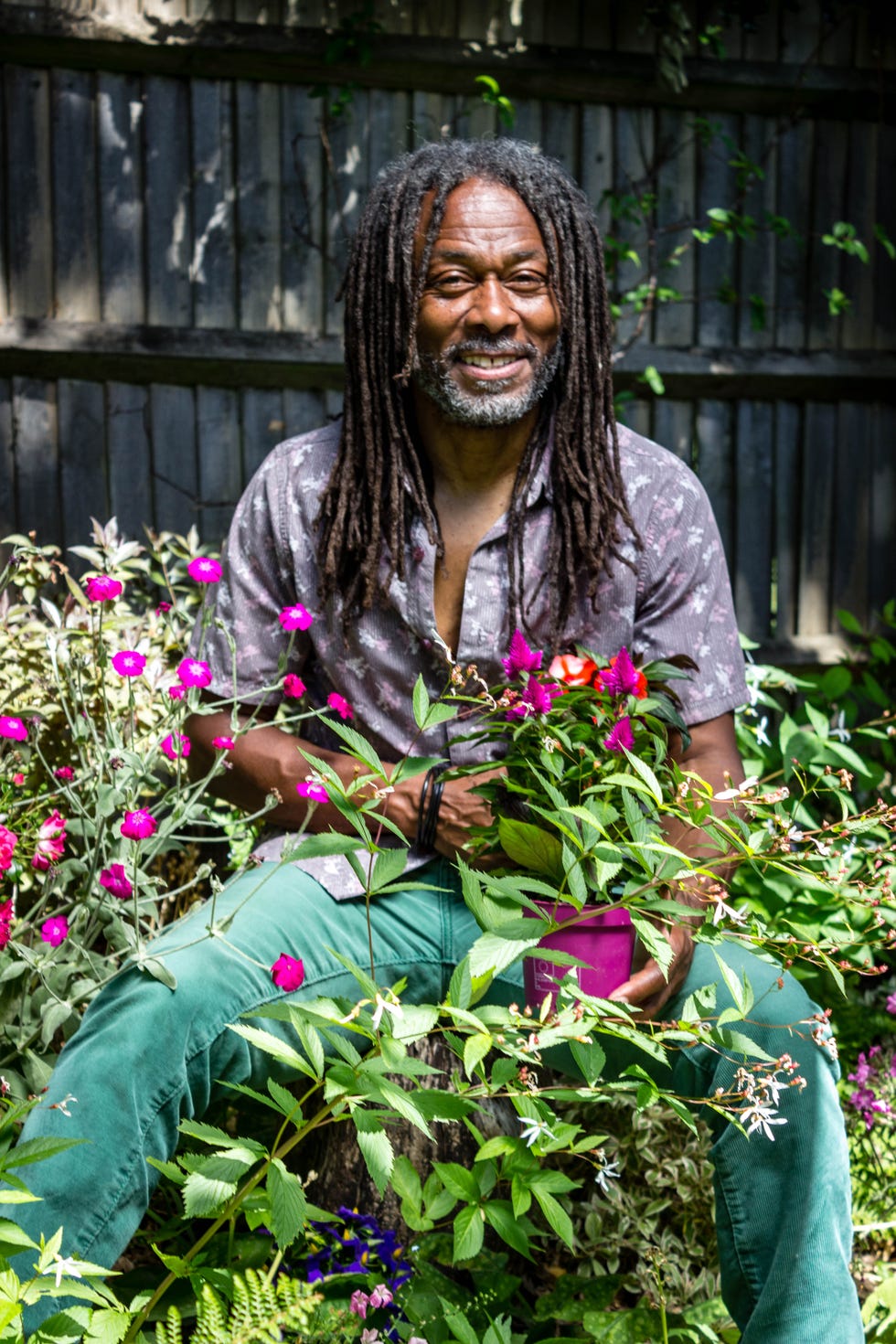

'All of our gardens, courtyards and balconies combined make up a space larger than the Lake District, so what may feel like a small change for you contributes to one big impact for all sorts of wildlife for years to come.'
With 36 per cent likely to spend less time caring for their garden as lockdown restrictions continue to lift (citing work commitments and no longer needing the distraction), Homebase's new Great British Green Up campaign will call on the nation to keep making a positive impact on local wildlife.


'Scientific studies show clearly that gardens are an important resource for pollinators like bumble bees, honeybees, solitary bees and hoverflies,' says Professor Sir Ian L Boyd, of the University of St Andrews. 'Urban landscapes where gardeners have intentionally planted flowers which attract pollinators are very likely to be contributing to sustaining pollinators, and trees and other shrubs also provide cover and food for other species.
'The data showing increased attention to gardens and planting of flowers which attract pollinators during the current lockdown is to be greatly welcomed. We need to build on the few benefits from the lockdown and it would be good to see this new interest in gardens sustained into the future.'
Visit Homebase's Great British Green Up campaign for more information.
Like this article? Sign up to our newsletter to get more articles like this delivered straight to your inbox.
19 best gardening gifts under £35
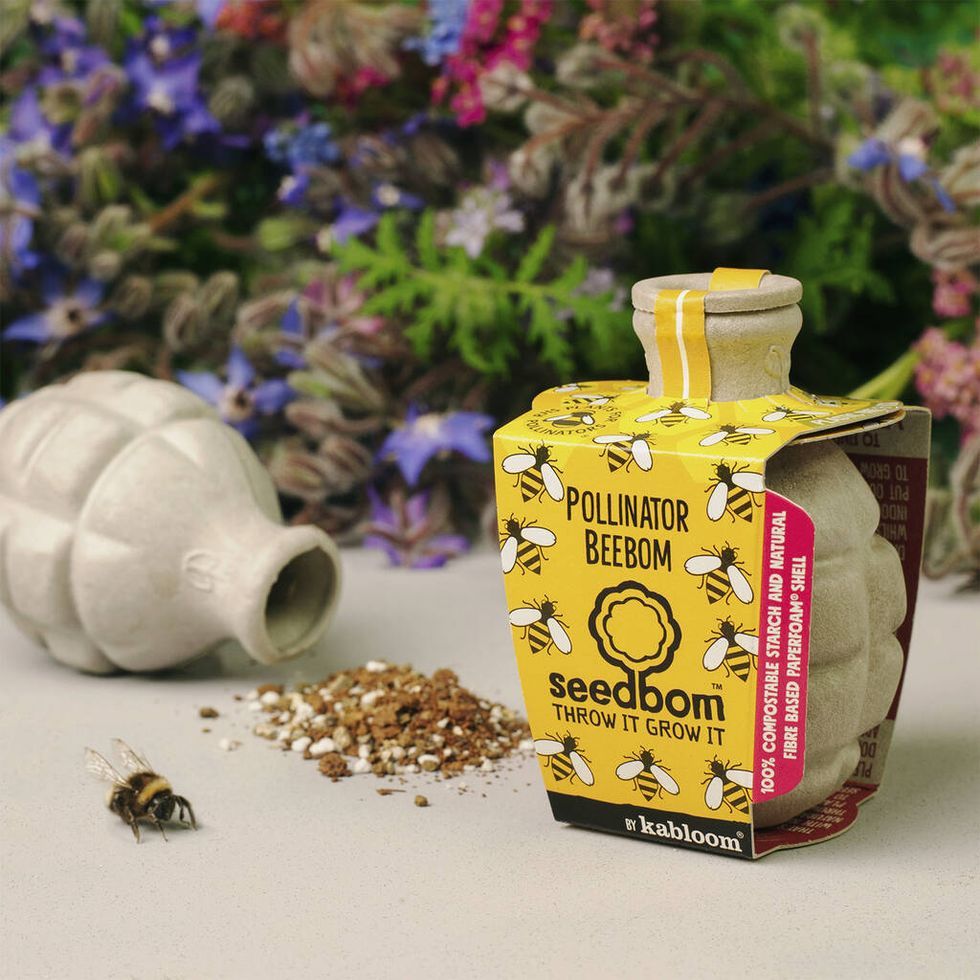
These easy-to-use seedboms biodegrade into the environment leaving only plants behind. The ultimate stocking filler, each pack contains a mixture of native wildflower seeds.
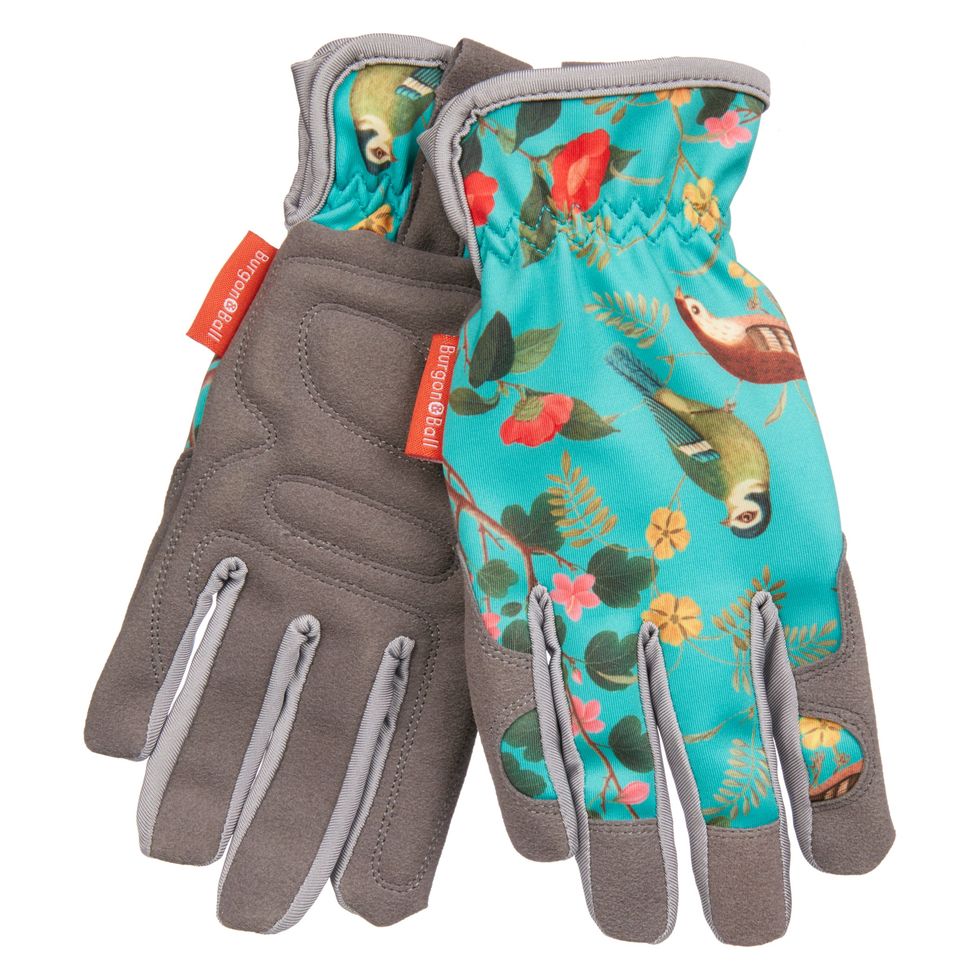
Gloves are a must-have for gardeners. With a sweet bird print and ultra-soft fell palms, this Burgon & Ball style is perfect for all. But they're selling out quick, so be fast if you want them for a loved one.
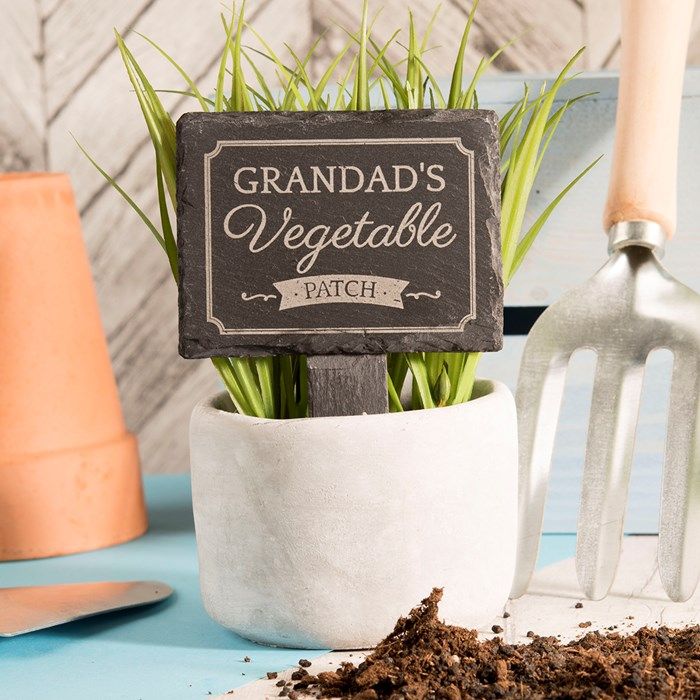
Make a friend or family member smile with this lovely personalised state plant marker. Charming and rustic, it's sure to spruce up any vegetable patch.
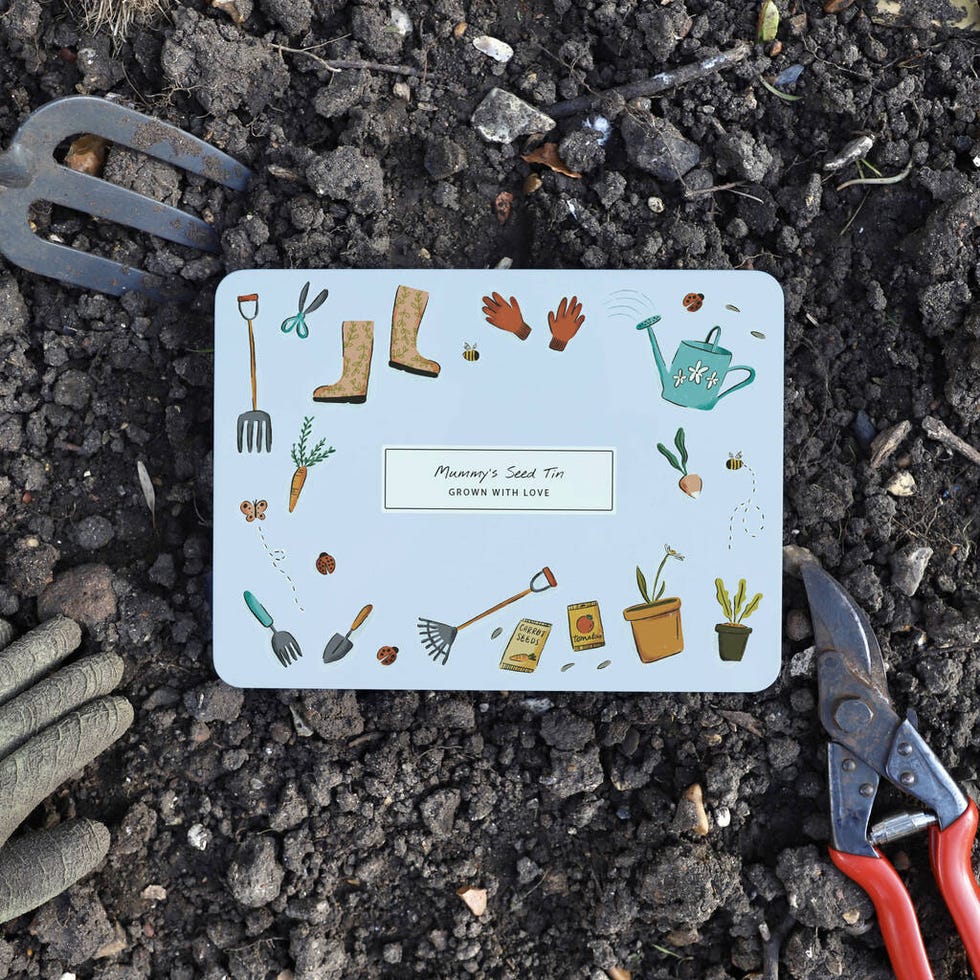
Choose two lines of personalised text when you buy a loved one this lovely tin for all of their essential gardening tools – this is a gift that's guaranteed to be used regularly.
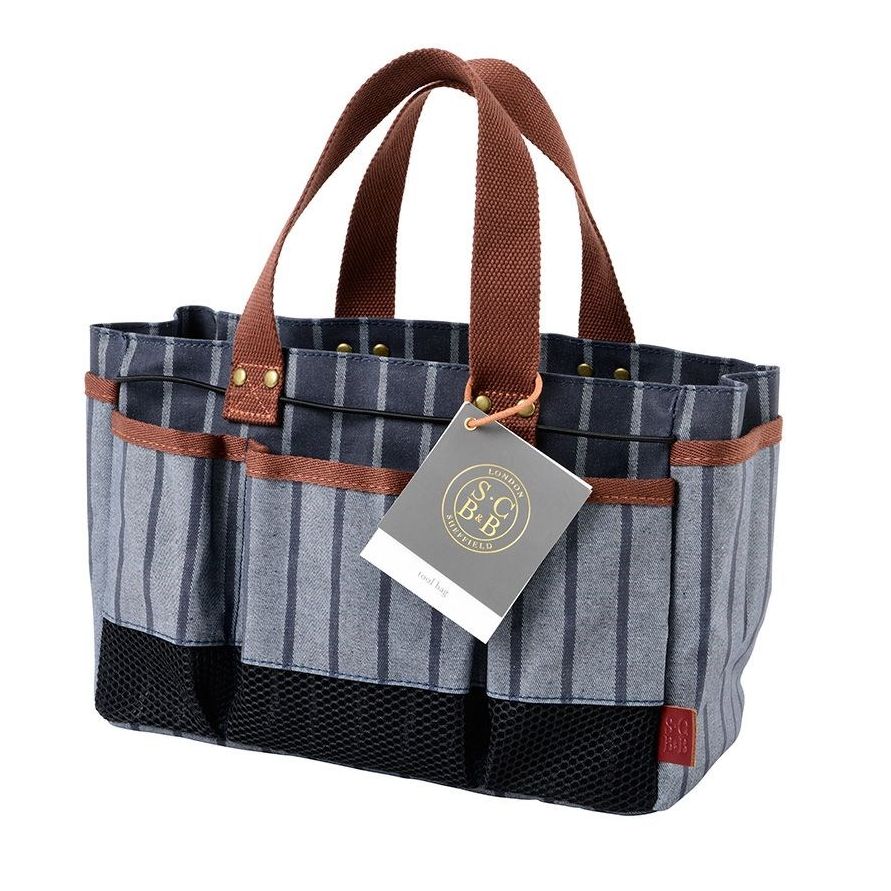
Keep tools and accessories neatly stored away with this stylish gardening bag. Designed by Sophie Conran, it's water resistant, wipe clean and has practical restraining straps to keep your items safe.

Gardening is often tough on the hands, so it's important for regular gardeners to look after their skin. Trust us, this hand cream will go down a treat...

This stylish black metal watering can from H&M Home is a must-have for avid gardeners – or even just for those who love their houseplants.
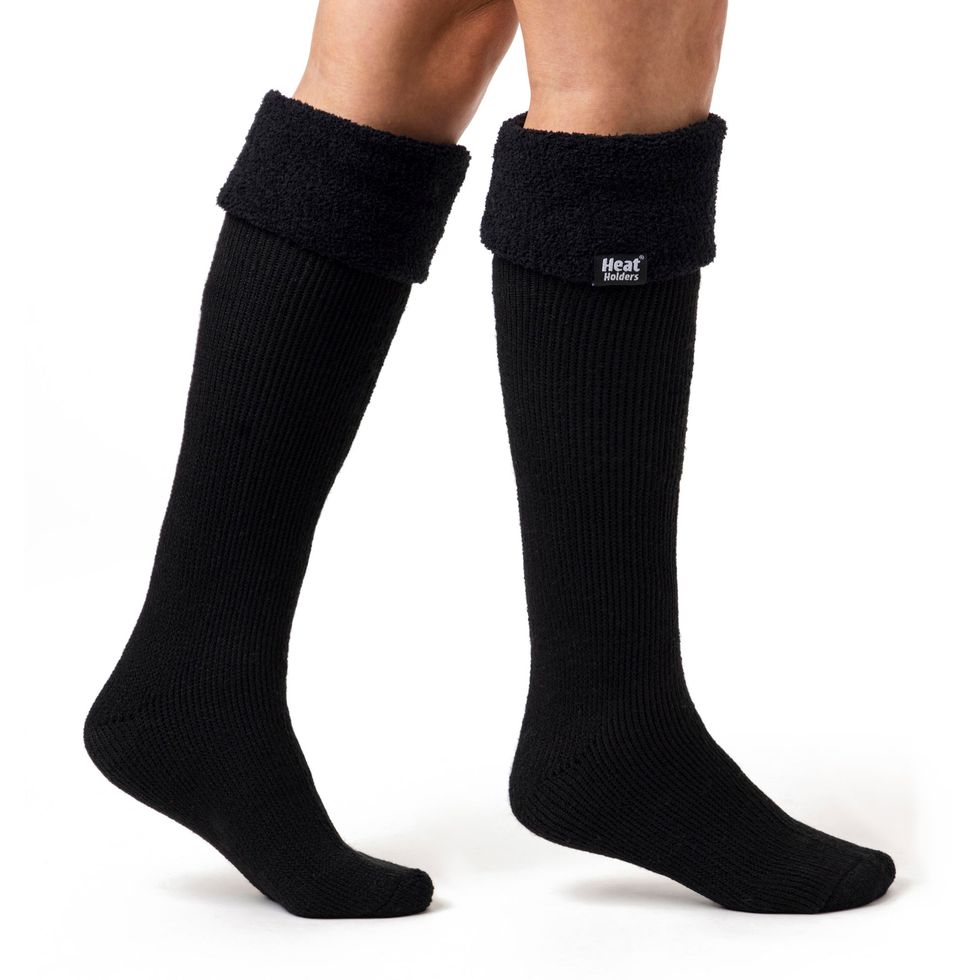
With an extra long leg, ankle support and a tog rating of 2.3 to keep your feet warm and toasty while gardening, these are the perfect accompaniment to welly boots, for gardening fans who still spend plenty of time outdoors in the winter.
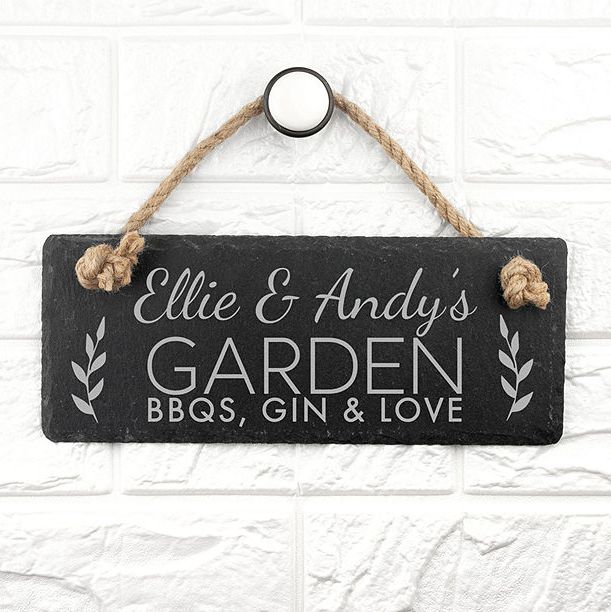
If your loved one can always be found in the garden, this personalised slate hanging sign can be hung in said garden, or in the shed or greenhouse.
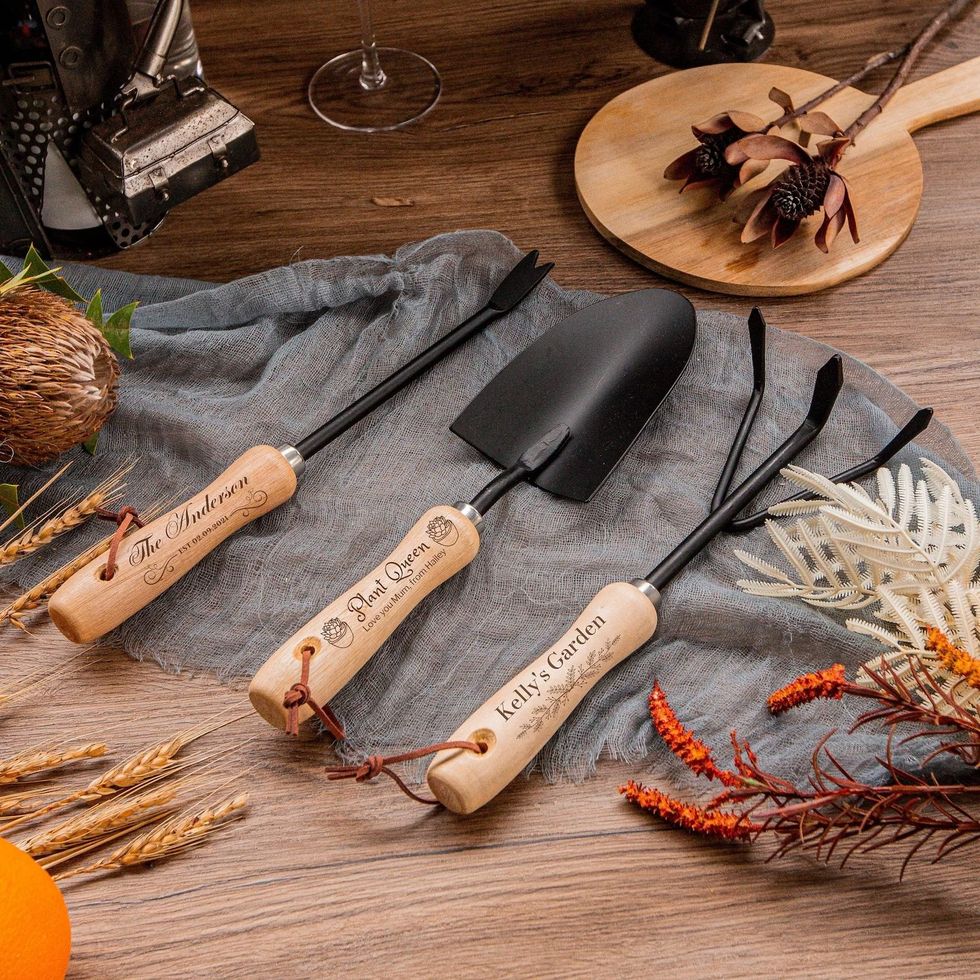
Gardening lovers are sure to appreciate a practical gardening tool, so why not make them a little more special for them to use by personalising them? In this set, which can accommodate your own inscription, they'll get a weeder, trowel and a cultivator.
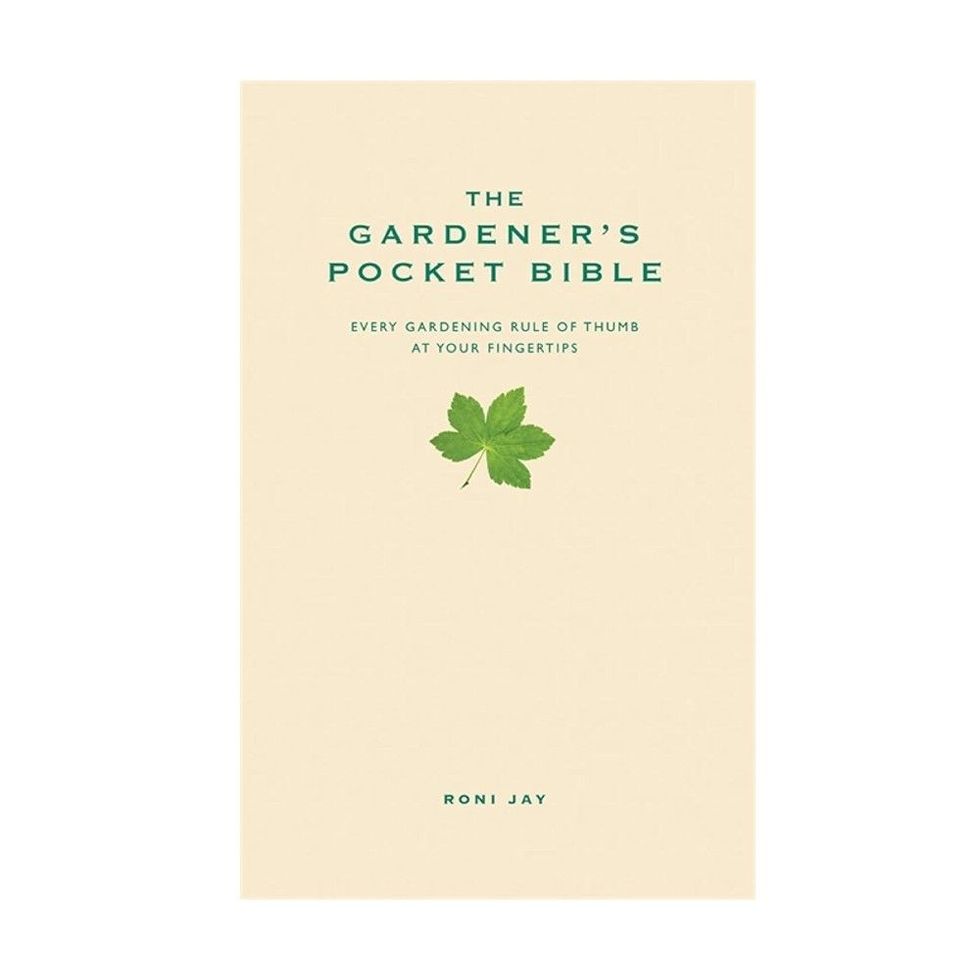
For newbie gardeners or those who need a refresh of their knowledge, make sure they have this book to hand – which shares everything from how deep to plant certain bulbs, to when to prune leaves.
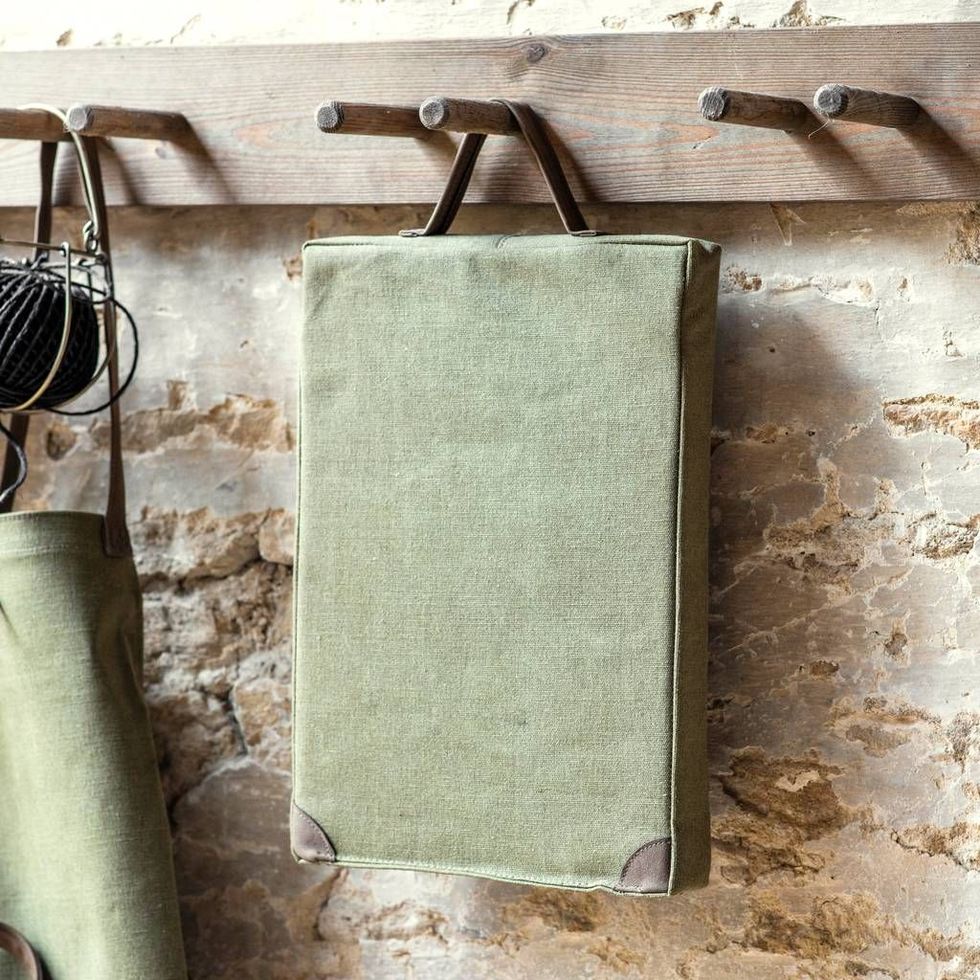
This practical canvas kneeler is a must-have for every gardening expert, especially those who struggle with knee pain. Its long handle makes it incredibly practical to hang in a shed or garage after use.
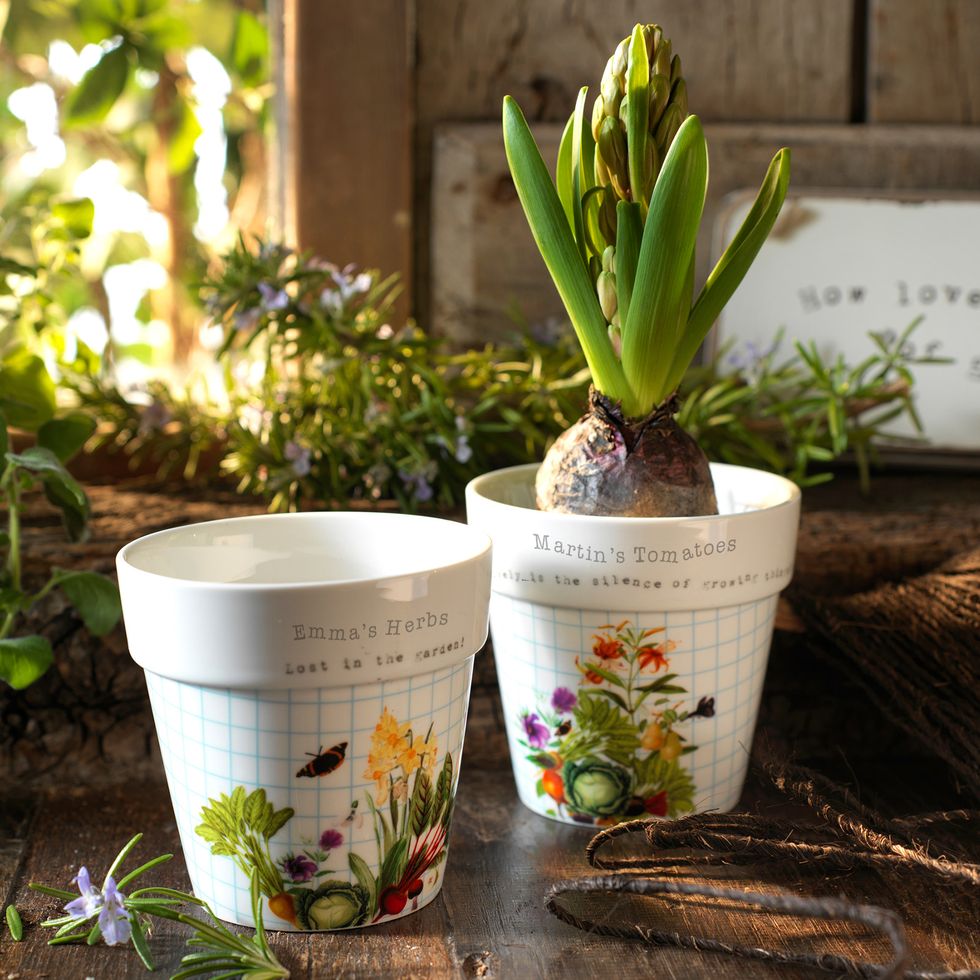
Get personal with your gift ideas and give something printed with your own message. These ceramic planters make excellent presents.
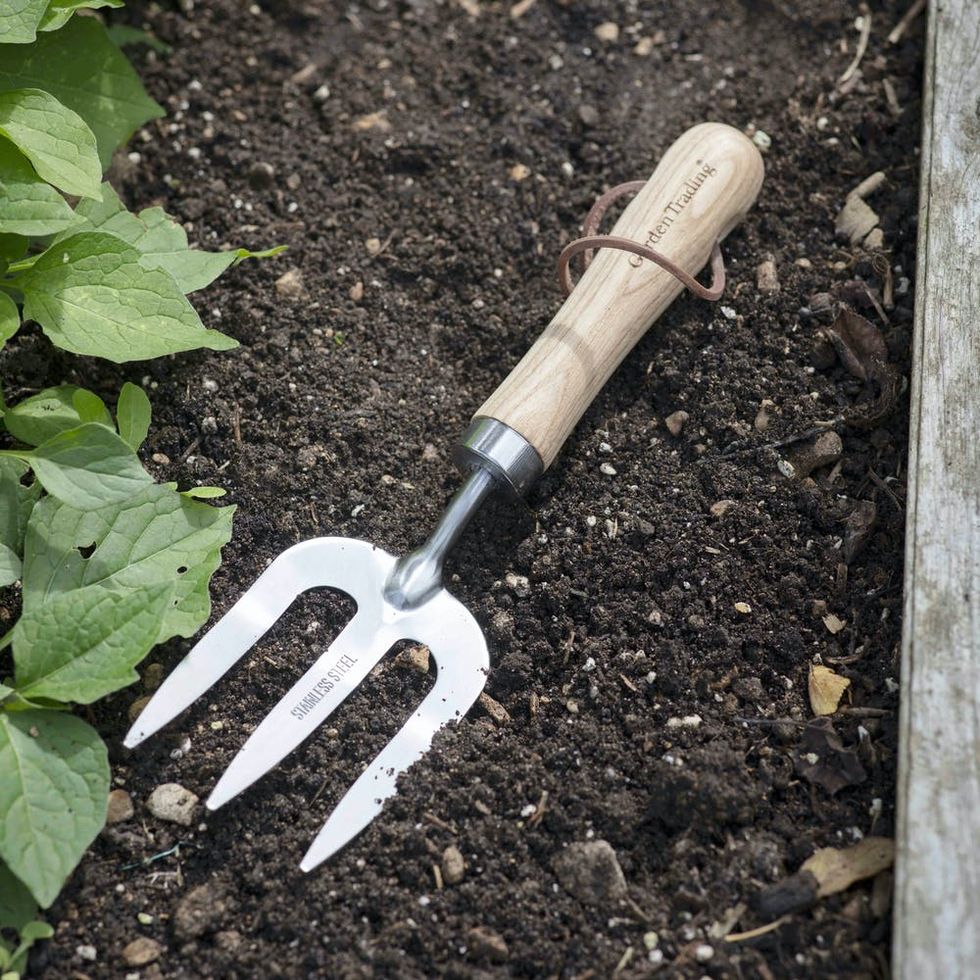
Every gardener needs a practical hand fork. Tidy up flower beds and borders with this three-pronged hand tool from Garden Trading.
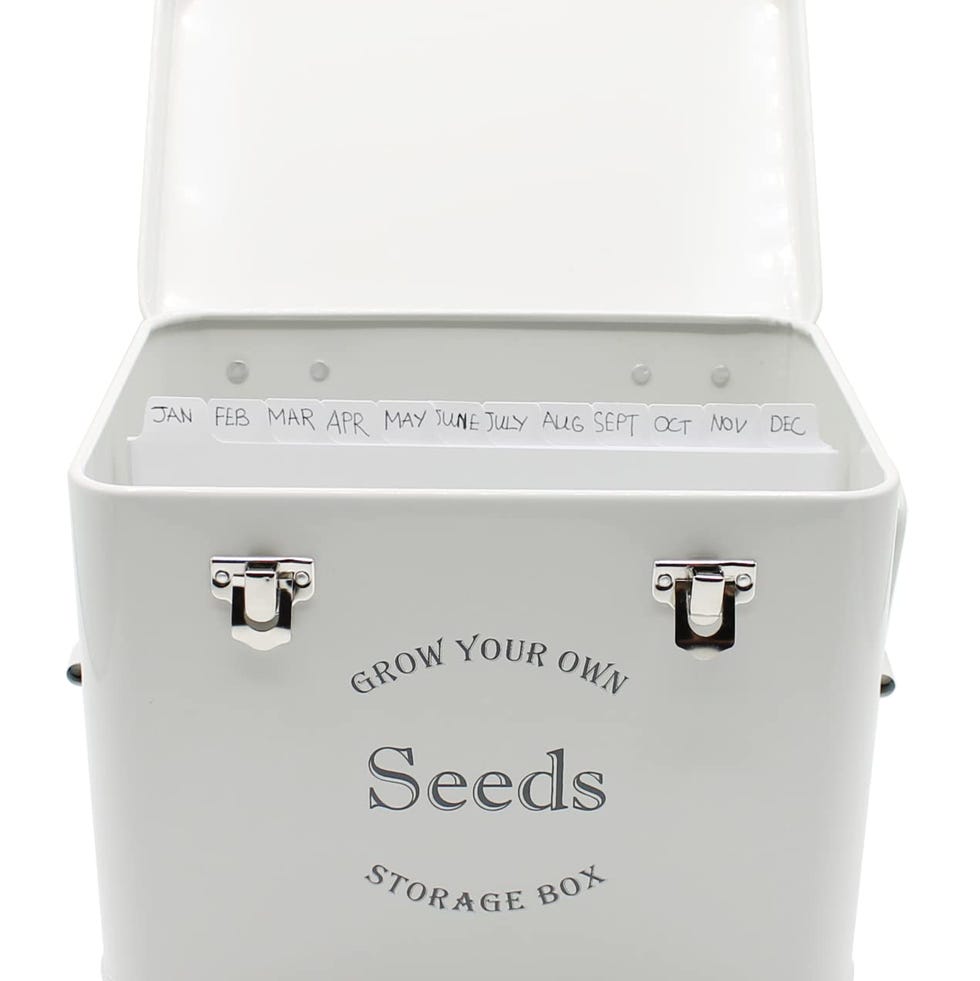
Ensure that seeds are stored safely with this storage box. Available in three colours – black, yellow and light grey – each box contains twelve blank card dividers, ideal for keeping track of a year's worth of seeds.
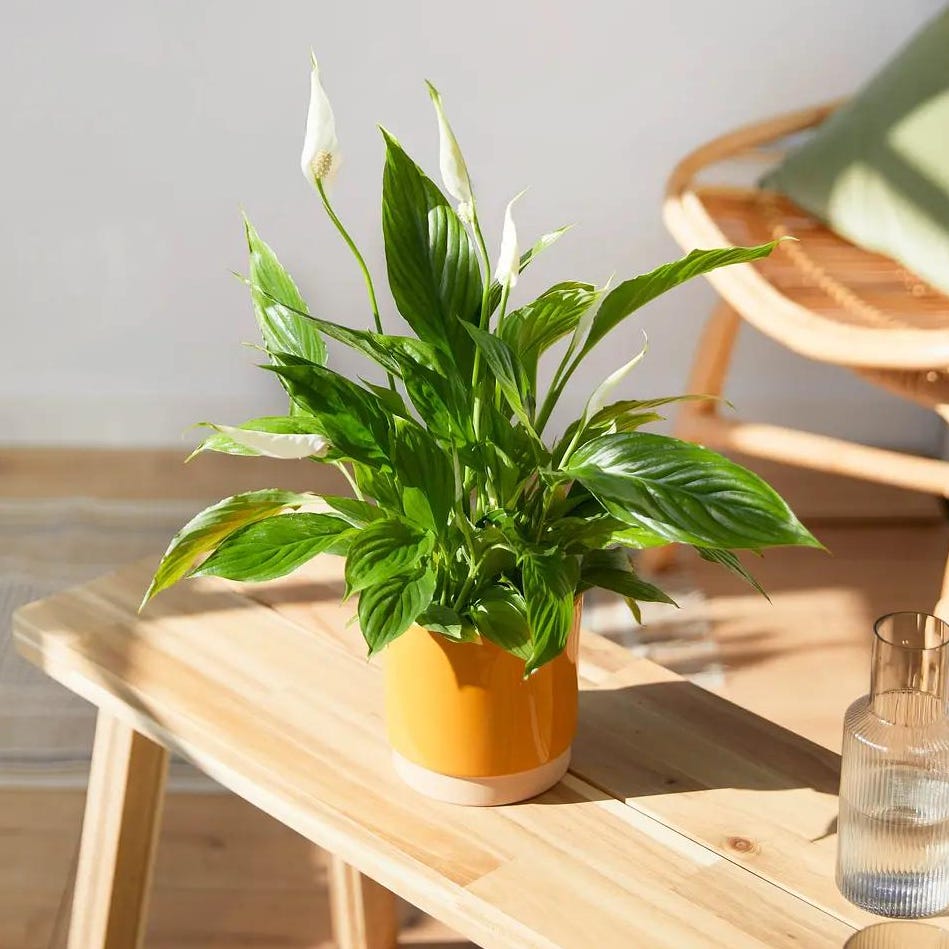
Bring a smile to your friend's face with this peace lily in a gorgeous pot. With dark green foliage and long-lasting white flowers, it's a beautiful way to brighten any room.
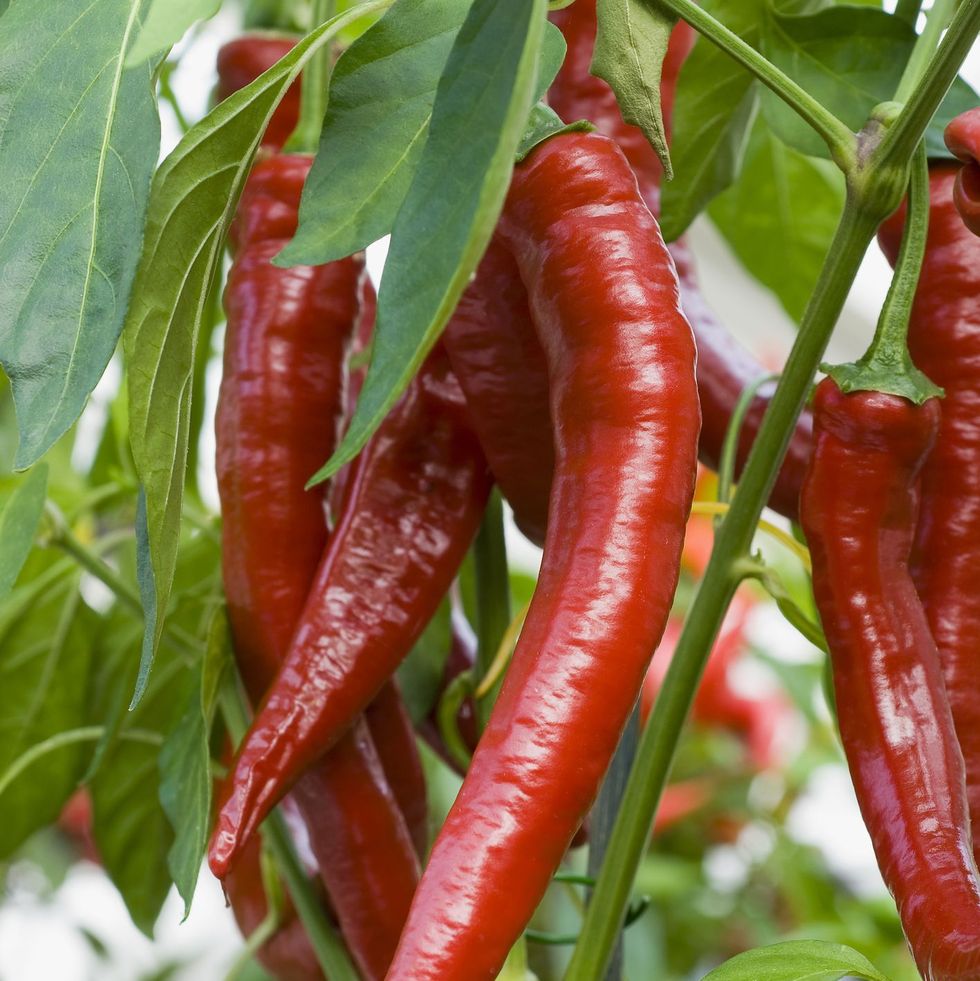
Learning new skills is always exciting. This experience gift will give guests the chance to professionally learn how to grow their own chillis at home, and it's currently got a great discount.

This enamel tin is an incredibly stylish way to store bird feed. We're certain it will make a well-received gift.
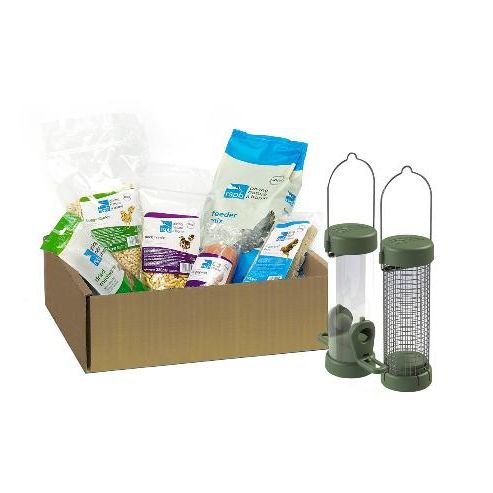
Okay, so technically this is a little bit over £35 (only a little) but this gift box will give your gardening friends a step in the right direction to help care for any small garden birds.


