

Winter can be a dangerous time for houseplants as most of them are dormant, so they can find it more difficult to deal with problems and changes in temperature.
Overwatering
This is probably the number one risk to indoor plants as sitting in waterlogged soil results in blackened stems and wilting leaves. The second issue is central heating. Houseplants usually like a constant temperature, but if you put them in a centrally heated room, or worse, next to a radiator, they’ll experience temperature swings into double figures between night and day.
On the move
The best option is to move plants to a place that has a constant temperature, such as an unheated, frost-free conservatory or a light utility room. In these environments, plants need minimal watering as a constant cool temperature means the soil remains moist. Check your plants every week to make sure they're happy. We recommend using a moisture meter, but benign neglect is a good way of ensuring their survival through winter.
Spring cleaning
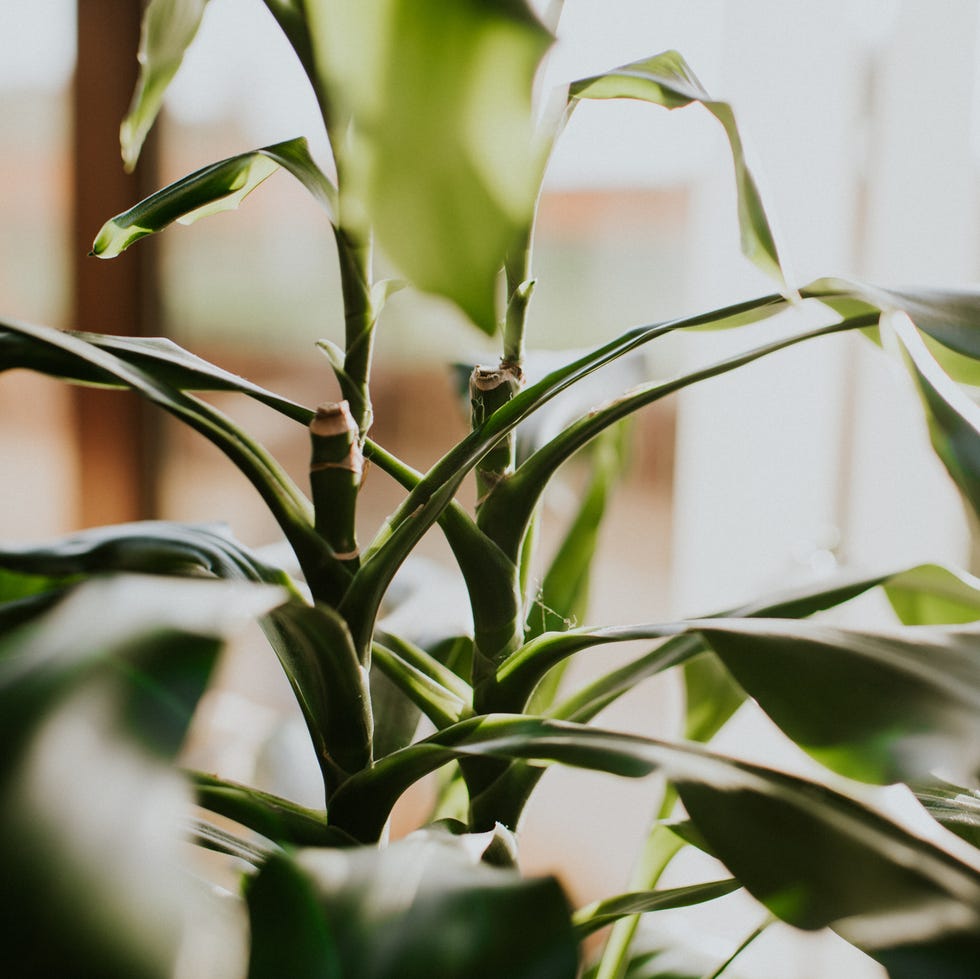

Once spring comes, move your plants back into the body of the house, give their leaves a little clean with a damp cloth and, if roots are poking out of the bottom of the pot, repot into a bigger container.
When you're repotting, ensure the surface of the soil around the plant stays at the same level. This is called the nursery line, the point where the stem emerges from the soil. If you cover the stem in compost, it will rot away.
Spring is also a good time to trim back any uneven, damaged or dead growth. Once the plants are back into growing mode, feed them once a week to really get them going.
Problem solving
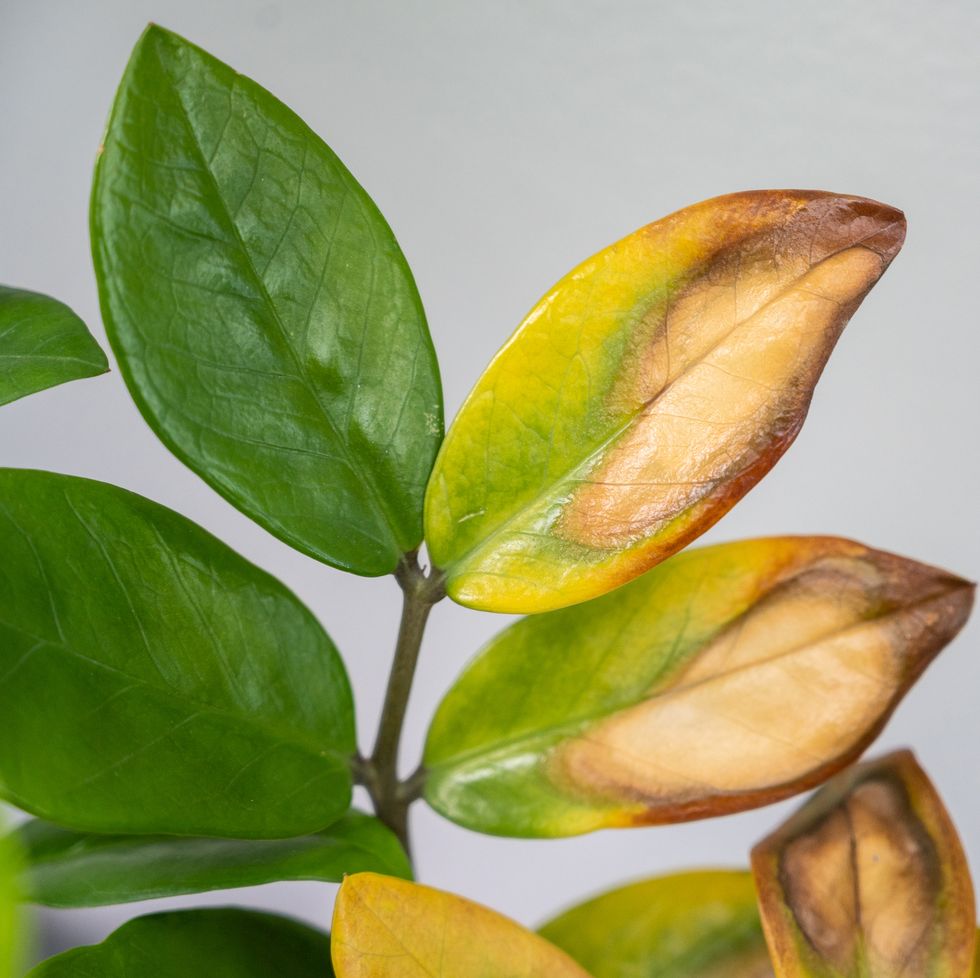

If your plant starts to look sick, it’s either been overwatered, is in the wrong place, or has been affected by a pest or disease. Look for holes or brown marks on the leaves, cotton-like fluffy stuff on stems or leaves, or little bugs. If there’s a visible bug such as white or green fly, treat with a pesticide. If there are no visible bugs but a specific problem such as an area of mould, try using fungicide.
With less specific problems such as curled, brown or falling leaves, the problem is likely to be down to positioning or frequency of watering. If your plant doesn’t flower or grow, it could be because light levels are too low, so move it to a brighter position.
Novice indoor gardeners might find it's worth trying a few types of different plants. Give them the best home you can, with the right care, and see which ones suit best. Don’t beat yourself up trying to change your habits or household. Just change your choice of plants.
Follow House Beautiful on TikTok and Instagram.
21 great gardening books for tips on plants, design and wellbeing
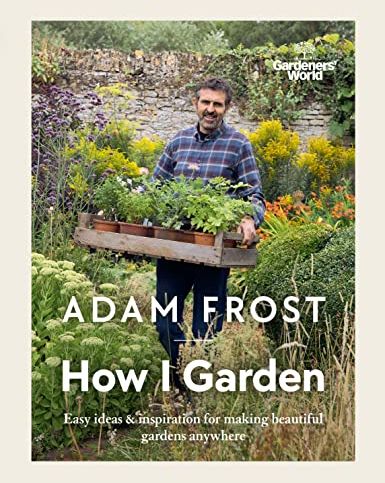
Adam Frost's practical, no-nonsense approach will help you plan and build a garden that works for you. The Gardeners' World presenter takes you step by step through the whole process, whether you have a window box or a charming veg patch.
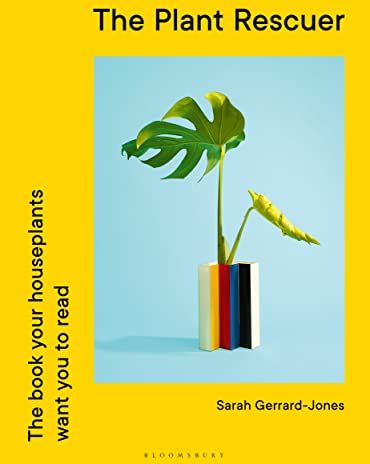
Struggling to keep your houseplants alive? Wondering why leaves are turning yellow? This is the book for you. Sarah, also known as @theplantrescuer, is a self-taught houseplant obsessive who fills each page with her top tips on how to revive wilting plants. It has been described as a book to 'help your plants not only survive but thrive'.
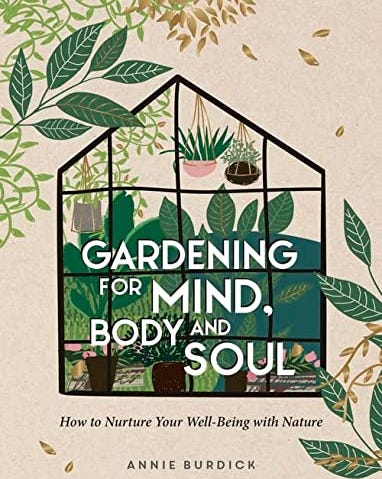
Gardening for Mind, Body and Soul celebrates the benefits of gardening — and how nature can boost our wellbeing. Highlights include learning about birdsong, exploring which plants release scents to soothe the mind, and how we can all promote feelings of balance and calm.
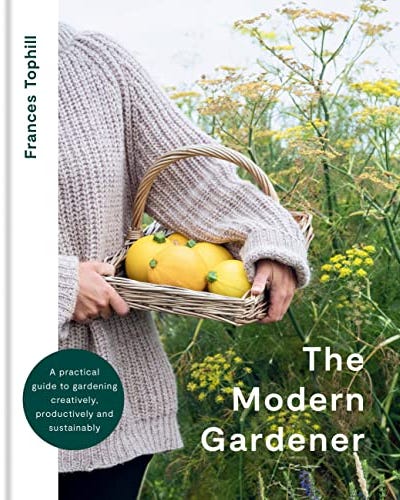
Slip on your gardening gloves...Francis Tophill's book is packed with everything the modern gardener needs. You'll find plant advice, plant-based recipes, and tips on how to reduce your carbon footprint. Create a space that looks beautiful and attracts wildlife.
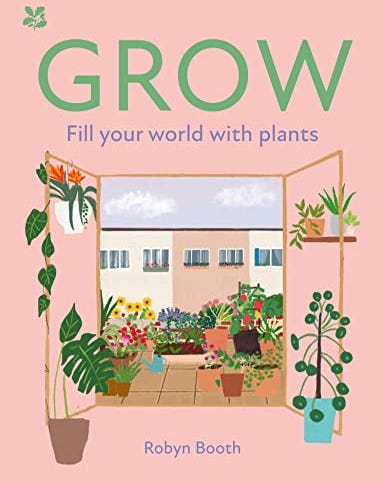
The National Trust GROW: Fill your world with plants (National Trust)
Whether you want to create a mini wildflower meadow or make the most of your houseplants, this beautifully illustrated book from the National Trust is a fresh take on gardening. Plant lovers, this one is for you...
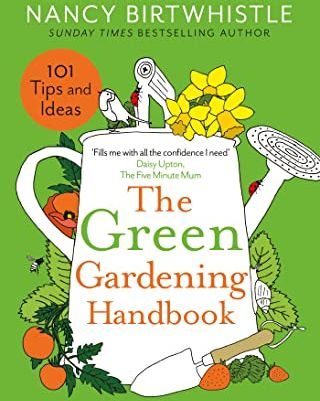
Nancy Birtwhistle's The Green Gardening Handbook does what it says on the tin. Featuring over 100 tips to help you grow with confidence, chapters include composting, seasonal recipes, guides to freezing, storing and preserving, and basic gardening equipment. It also features clever tips that will help you save money and reduce waste at home.
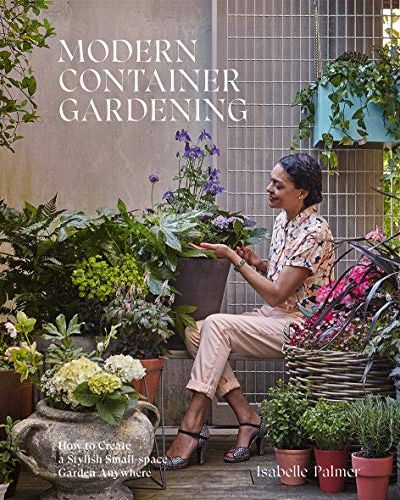
Isabelle Palmer shows you how to make the most of every little space with a series of projects for small gardens, singular containers and window boxes, that can be completed in a day or weekend. Perfect for novice gardeners, Modern Container Gardening offers beautiful photography and clear step-by-step instructions.
The National Trust employs over 500 gardeners with an extraordinary wealth of expertise. And now, in this in-depth guide, they pass on their wisdom and provide the answers any new and seasoned gardener is looking for. This book is intended to give you inspiration and confidence to make the most of your garden, without being overwhelmed with unnecessary technical detail.
Veg In One Bed explains how to build your bed and grow from seed, as well advice on planting, feeding, and harvesting. YouTube gardening star Huw Richards shows how to guarantee early success by starting off young plants on a windowsill and suggests what to grow in each part of the bed.
Create a beautiful wildlife haven at home with the RHS' Little Book of Wild Gardening. Divided into sections for different areas — including lawns, flower beds, edibles, trees and water features – you'll find tips, tricks and helpful ideas for every space.
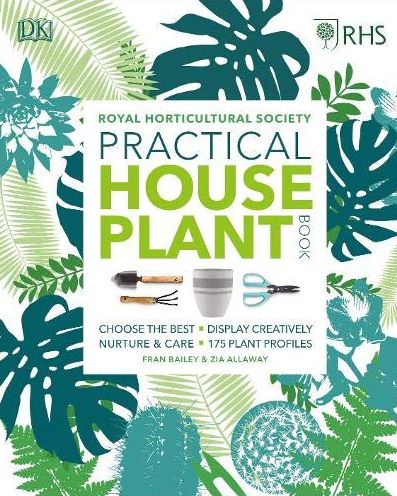
The Practical House Plant Book by the RHS contains a dozen step-by-step projects to help you assemble an eye-catching terrarium, create a floating kokedama 'string garden', or propagate succulents. Complete with 175 in-depth plant profiles, this is an essential practical guide for indoor gardeners.
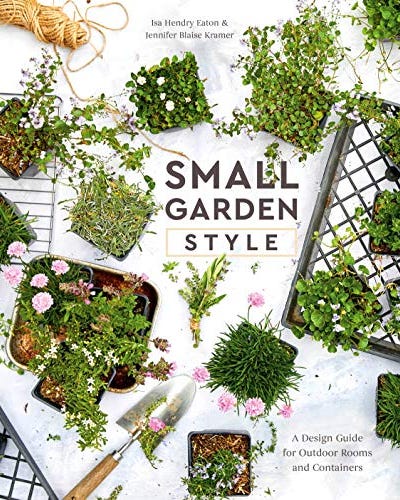
A small garden space – an urban patio, a tiny backyard, or even just a pot by your door – doesn't have to sacrifice style. In Small Garden Style, garden designer Isa Hendry Eaton and lifestyle writer Jennifer Blaise Kramer show you how to use good design to create a joyful, elegant, and exciting yet compact outdoor living space.
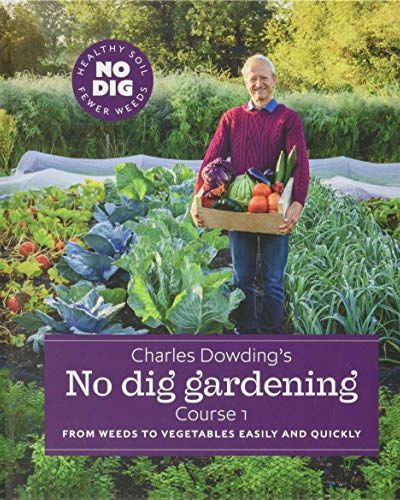
Charles Dowding, innovator of no dig, teaches you everything you need to know about this method of organic gardening. With 19 chapters, you'll learn how to use no dig on different soil types, recognise and massively reduce the different types of weeds, know the difference between soil and types of compost, and grow an abundance of vegetables using the no dig method.
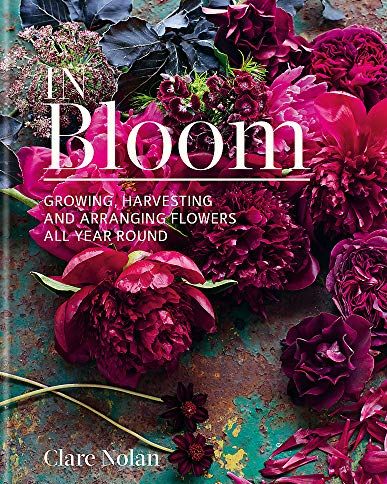
Get all the inspiration you need for planting cut flowers, and fill your home with colour and the gorgeous scent of the garden year-round with In Bloom. Clare Nolan reveals her secrets for growing a bountiful harvest as well as styling spectacular homegrown displays in this beautifully designed book.
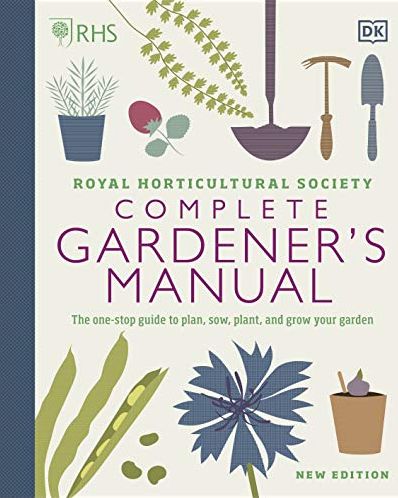
The RHS' Complete Gardener's Manual will help you choose plants that will thrive in your space, design a border for year-round colour, grasp different pruning techniques, discover how to protect your veg patch from pests, and make the best compost.
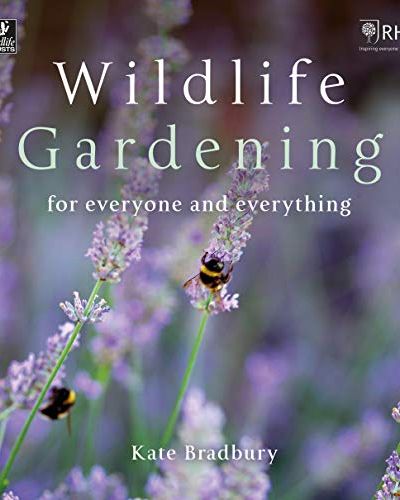
Do you want to attract more bees, birds, frogs and hedgehogs into your garden? In Wildlife Gardening for Everyone and Everything, Kate Bradbury teams up with the Wildlife Trusts and the RHS to help you discover how you can make your garden, balcony, doorstep or patio a haven for garden wildlife. You'll find handy charts, practical projects and fact files.
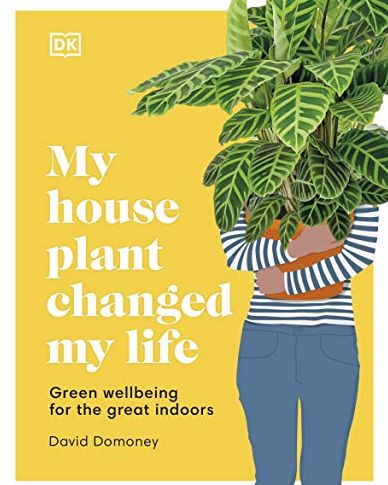
Gardener and TV presenter David Domoney is a firm believer that indoor plants can make 'a practical and emotional contribution to our wellbeing'. In this book, David explains the hard science behind the positive effect of the humble houseplant on wellness, and provides expert tips on how to keep your plants thriving, plus shares his top 50 life-enhancing houseplants.
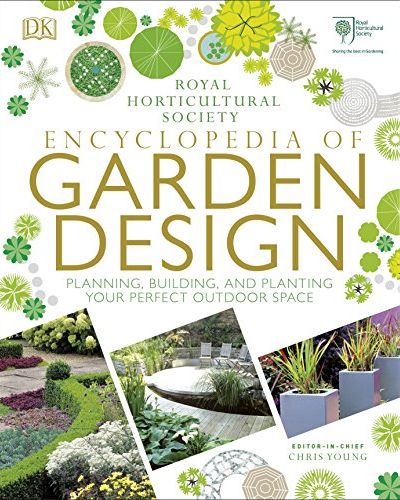
If you're looking for new garden ideas, the RHS Encyclopedia of Garden Design will guide you from planning to planting, such as choosing the correct materials for your structures and assessing your drainage, to laying patios, making ponds, and planting perennials.
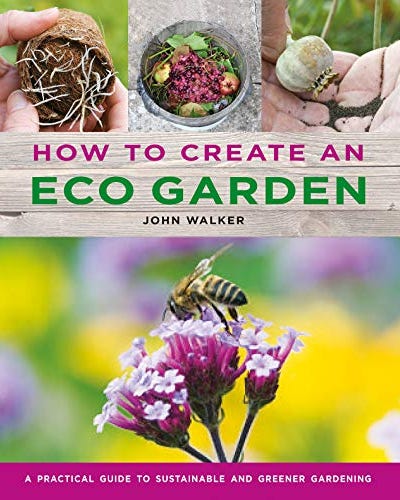
This planet-friendly book is filled with ideas for creating your own eco garden on any scale, from a small courtyard to a large garden or allotment. Discover organic techniques that improve biodiversity, learn the value of using recycled and reclaimed materials for landscaping, and take on simple projects such as making a pond and a wildlife hotel.
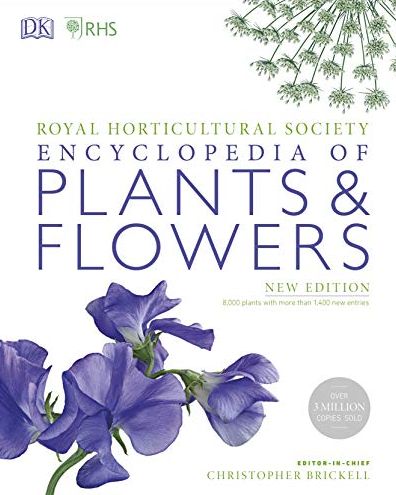
Drawing on expert advice from the RHS, this best-selling reference book – organised by colour, size, and type, rather than as an A-Z directory – will help you select the right varieties for your outdoor space.
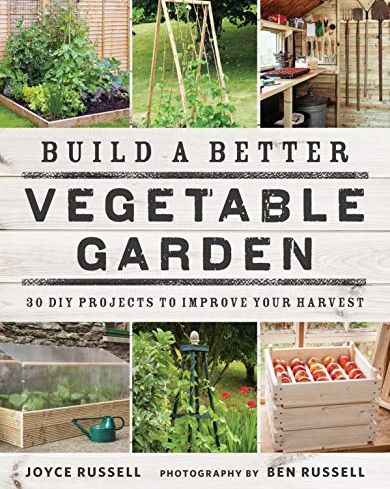
Joyce and Ben Russell have devised 30 kitchen garden projects, devised to either extend the season, protect crops from pests or improve yields. These projects transform your vegetable plot into somewhere more productive, more attractive and more secure.


