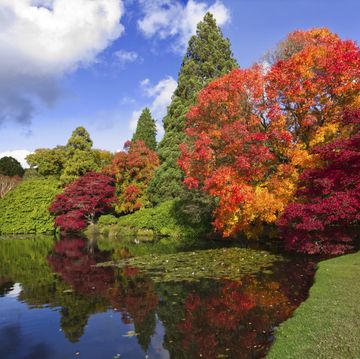
As autumn arrives and trees begin to shed their leaves, it can be tempting to leave them where they fall and allow nature to take its course. While a light scattering is unlikely to cause any problems, thick layers of leaves left sitting on your lawn for too long can quickly create unhealthy conditions for your grass – and cause several issues that may not become obvious until spring.
Below, we explain why thick layers of fallen leaves shouldn't be left on your lawn for too long, and what could happen if you do.
Why thick layers of leaves can damage your lawn


A few scattered leaves aren’t usually anything to worry about, but as they begin to build up, they can prevent your lawn from getting what it needs to stay healthy.
‘The leaves will block sunlight and air, and the grass needs these to photosynthesise and make food,’ explains Richard Barker, horticultural expert and commercial director of LBS Horticulture.
A thick covering can also restrict oxygen from reaching the soil and grass roots, weakening the turf beneath.
‘Grass underneath a thick layer of leaves will begin to turn yellow and thin, and may die, leaving bare patches,’ Richard adds.
Wet leaves can also trap moisture against the grass and soil, creating ideal conditions for moss to thrive. ‘Trapped moisture underneath leaves can create the ideal environment for moss growth,’ adds Richard.
How to prevent fallen leaves from damaging your lawn


The good news is that you don’t need to remove every leaf as soon as it lands. The key is simply to prevent thick layers building up and sitting on the grass for extended periods.
Rake or blow leaves from your lawn regularly throughout autumn, particularly after windy weather or when trees have shed heavily.
‘Clearing leaves regularly through autumn helps keep grass healthier and reduces the risk of bare, patchy areas appearing when growth returns in spring,’ says John Marshall, operations director and landscaping expert at Bentham Golf Course and Wenningdale Escapes.
If you have a large volume of fallen leaves, there’s no need to send them straight to the bin. Instead, collect them for composting or use them to make leaf mould, turning seasonal garden waste into something useful.
Follow House Beautiful on Instagram, TikTok and Pinterest
The Garden Edit