4 min read
It’s the stuff of home decor fantasies: someone tries to grab a book off the shelf in an elegant library, the shelf groans, and suddenly—a hidden doorway swings open. It could lead to a secret tunnel, a villain’s hideout, or even just a stash of the good snacks. Whatever’s behind it, the effect is pure drama. And the best part? That kind of magic is completely accessible in our everyday homes.
With help from interior designers offering custom solutions, along with hidden-door-focused brands like Murphy Door and Creative Home Engineering, these secret entrances and clever reveals are making their way into real living spaces—and people can’t get enough. Think: “I’ll take three, please and thank you” levels of enthusiasm.
These cleverly disguised doors are turning up all over the house, from kitchens and closets to home offices and bedrooms, proving that great design is even better when it offers unexpected delight. “There’s nothing better than a hidden surprise,” says interior designer Maria Vassiliou of Maria Zoe Designs.
Beyond the wow factor, Murphy doors also serve a functional purpose. “Hidden doors often come with features like shelving, allowing for better organization and use of space,” says Vassiliou. “They can also be designed to blend seamlessly with cabinetry.”
In other words, hidden doors aren’t just stylish—they’re useful, too. Here’s everything you need to know about getting a hidden door (or several!) in your own home.
What Is a Murphy Door?

Designer Lynn Kloythanomsup of Landed Interiors and Home installed a Murphy Door to conceal a hallway bathroom in a San Francisco home.

Ta-da! With a push of the shelf a pretty powder room is revealed.
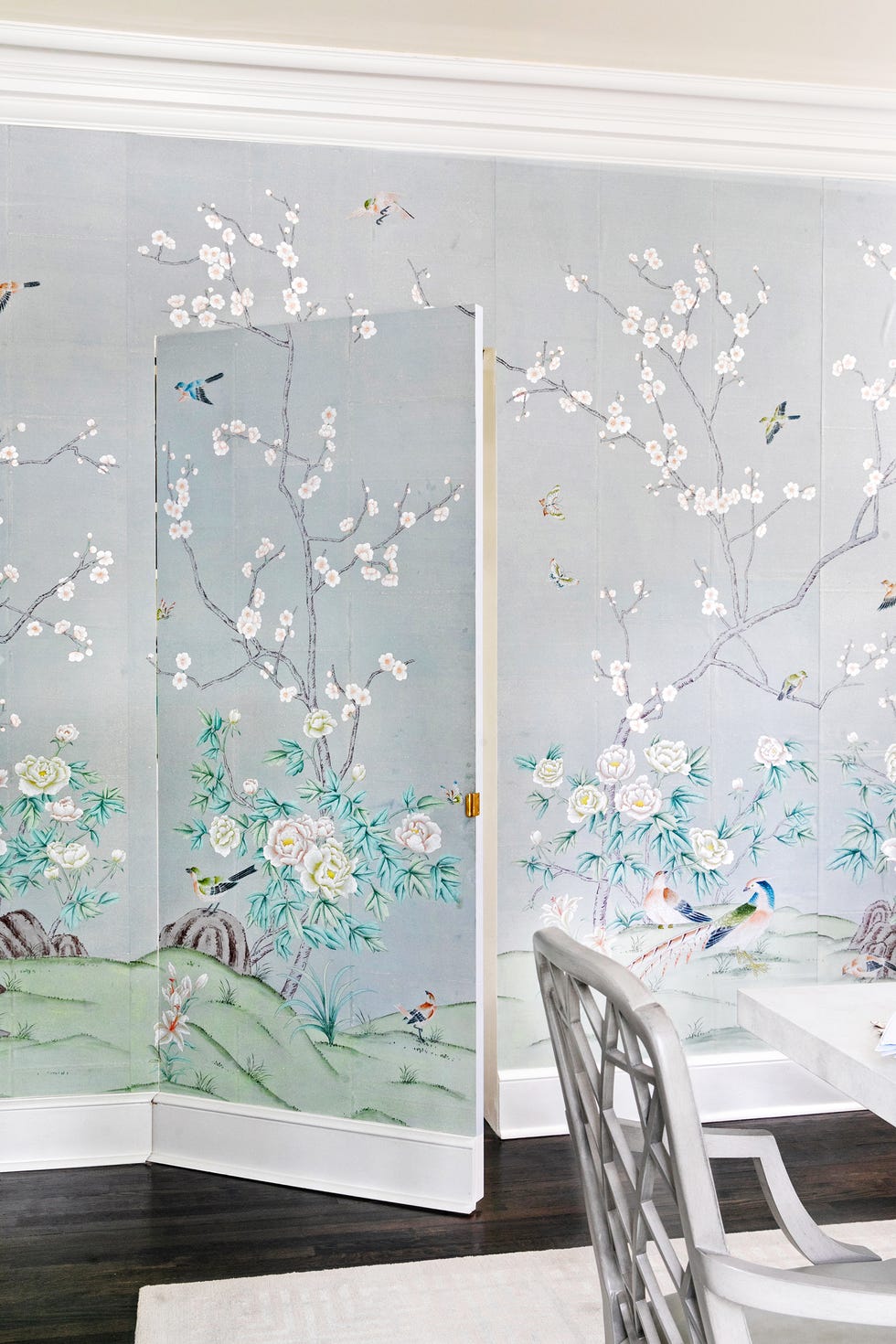
There’s a difference between a well-disguised door and a hidden one. You can flush-mount a jib door into the wall, wrap it in wallpaper, and remove the hardware to make it nearly invisible. These minimalist doors are scattered throughout design-forward interiors. But a Murphy door is something entirely different. It’s not invisible—it’s intentionally integrated. It could be a bookshelf, a staircase, or even a wine rack. It’s meant to be lived with, decorated, and admired. But here’s the catch: you’d never guess it’s also a door.
The thrill factor is alive and well. If you’ve ever walked through the fridge to get into Good Times at Davey Wayne’s in L.A., or slipped through the vending machine into Basement in NYC’s Chinatown, or snuck behind the bookshelf at Eatapas in Fort Lauderdale, then you know: a hidden entrance makes everything instantly cooler. And yes, your house deserves to be that cool.
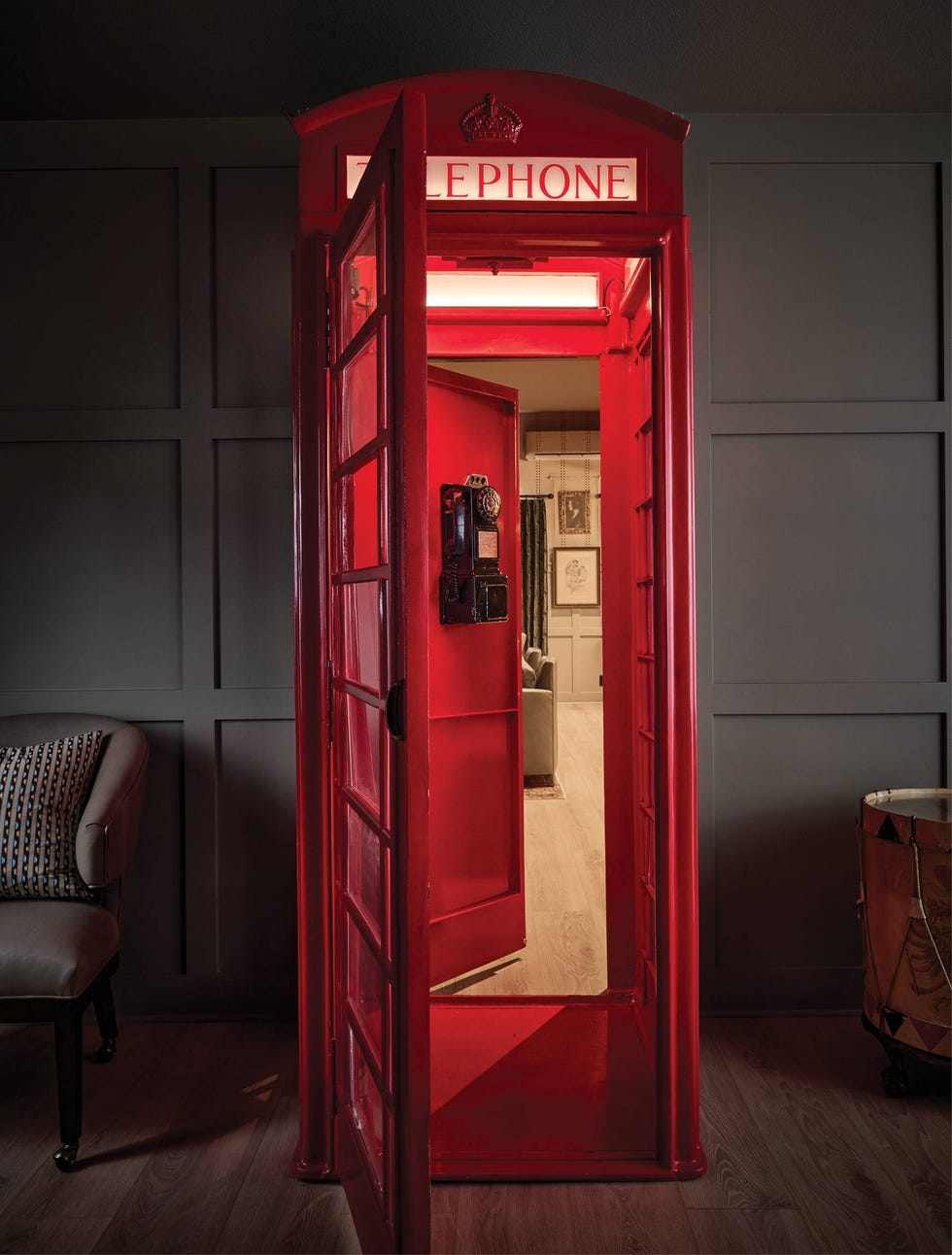
Take this Central Texas home designed by Sarah Stacey of Sarah Stacey Interior Design. She cleverly utilized an iconic British telephone booth as the secret entrance between the home’s garage-turned-speakeasy and dance hall. Then there’s the grandpa who created his own version of C.S. Lewis’s Narnia by enclosing a secret room within his bedroom wardrobe.


What Styles of Murphy Doors Are Available?
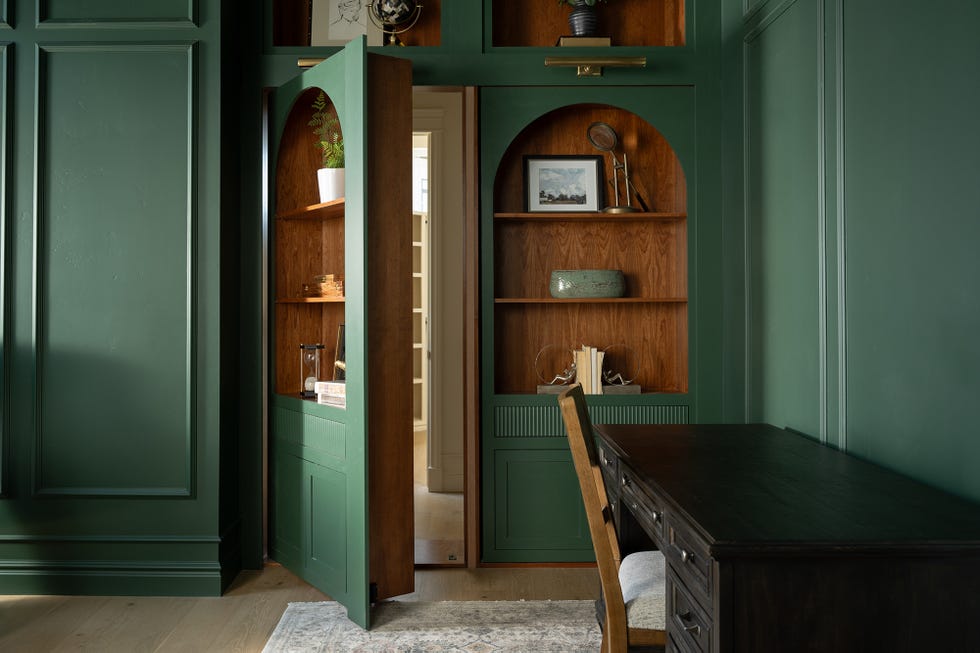
The brand Murphy Door’s lineup is basically a choose-your-own-adventure of hidden access points. Want a full-length mirror that’s secretly a portal to your glam room? Done. Need a pantry door to hide your cereal stash and your coffee machine? There’s a Murphy door for that, too. Or you can do your own custom built-in, as Vassiliou did in her client’s home below.


“The hidden door allows the homeowners to hide away items that might otherwise seem cluttered, such as small appliances like coffee machines and toaster ovens, and extra pantry items like fruit, vegetables, and snacks,” Vassiliou says.
“A Murphy Door isn’t just a door—it’s a gateway to possibility,” says Jeremy Barker, Founder and CEO at Murphy Door. “Homeowners are drawn to the idea that behind what looks like an ordinary bookcase or cabinet is something deeply personal: a wine cellar, a hidden study, a secure space, or even a walk-in pantry.”
Where Can I Install a Murphy Door?
These doors are as functional as they are fun. But the best part? Hidden doors can be installed in a variety of places. According to Steve Humble, president of Creative Home Engineering, the world’s premier designer and manufacturer of motorized and high-security secret passageways, “location is the first thing you must consider when installing a hidden door in your home. It determines which door ideas are feasible.”
Humble recommends primary bedrooms, bathrooms, libraries, wardrobes, and basements as the top five locations to install a secret pass-through, with staircases as a very close runner-up. No matter where you install them, they save space. They hide the mess. They make you feel like you’re living in your own secret lair—but in a more chic versus villainous way.
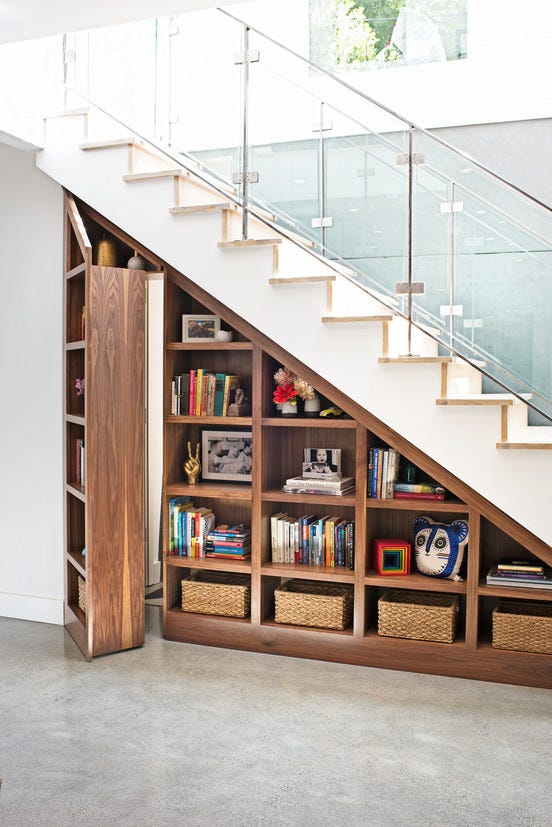
In a world where everyone’s trying to declutter, hide the chaos, and add personality to their space, hidden doors offer the perfect triple threat: style, storage, and just the right amount of sass. Because honestly, who doesn’t want to feel like they're in a Bond movie while grabbing a protein bar? “The appeal is emotional and functional,” says Barker. “They’re not just entrances, they’re the first step into an experience tailored to your vision.”
Bottom line: Hidden doors aren’t just a trend—they’re a (secret) lifestyle. So go ahead, pull that book, press that panel, and swing open the possibilities. Your home’s next best-kept secret is just a hinge away.