4 min read
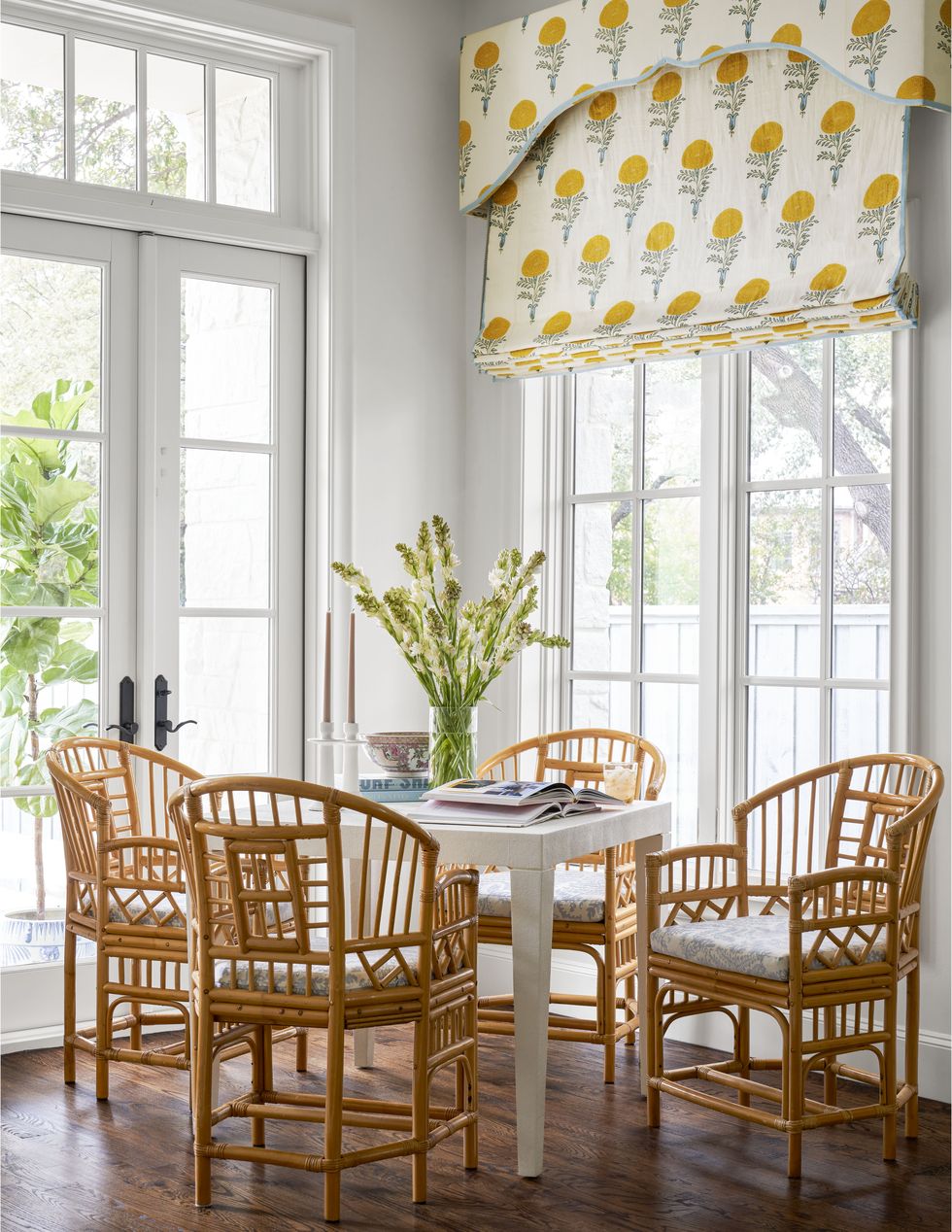
The game table featured above was designed by Isabel Ladd Interiors for our 2023 Whole Home and styled with The Mahjong Line.
It’s no secret that many recent interior design trends focus on both increasing human connection and infusing one’s personality into the home. Playfully designed gaming rooms, for example, are becoming more frequent requests according to interior designers, as they basically create “third places” within one’s own abode and encourage occupants to get together for quality time. However, an even more niche request is popping up that’s evolved from the general gaming room: the mahjong room.
“The mahjong table has become one of the first programming requests when we work with clients on furniture layouts in their living or great room,” designer Jean Liu shares. “Two years ago, we had no requests for game tables of any kind to be incorporated. We have since started by identifying the game table before moving on to figure out where the rest of the furniture will go.”
The Chinese tile game is rooted in culture and tradition, and it’s important to understand its origins in relation to how it’s interpreted and celebrated today. So if you’re interested in buying a mahjong table or even designing an entire room dedicated to the game, keep reading to find a breakdown of its history, the concept, and why so many people want a mahjong room in their homes.
Additional copy by Meghan Shouse.
What Is Mahjong?
Mahjong is a Chinese tile-based strategy game that has been around since the mid-1800s. Mahjong translates to “sparrow,” which is a nod to the clicking sounds the tiles make when shuffled. It originated in Southern China and was mostly played in larger metropolitan cities. From there, it spread across other parts of China and became a beacon of connection and social pastime in Chinese culture. It began to develop an international presence in the 1920s, when more and more people—specifically Americans—began to embrace the game and the way it brings people together and fosters community.
“When I was a kid, I played a lot of mahjong with my childhood friends who had a set. We’d have sleepovers all the time and play game after game,” Christine Lin of the Bay Area design firm Form + Field says. “You can play it casually—it’s a great social game—or really focus and pay close attention to the tiles and what the other players are doing.”
Liu recalls her relatives playing mahjong quite frequently. “My aunts and uncles were avid mahjong players, often playing into the wee hours of the night,” Liu says. “I would fall asleep to the sound of tiles being tossed around in the next room.”
The game is typically played with four players to remove all the tiles from play and match them with their respective pairs, creating four sets of three tiles and a pair. The complete set comes with four of every tile and three suits (sticks, dots, Chinese characters, and bamboo)—all of which go from one to nine.


Why is Mahjong So Popular?

Mahjong is more than just a way to interact with the people you’re playing with—it’s a way to engage with your senses. “There’s a tactile quality to this game that other card games don’t allow,” Liu says. “There is a desire for more of these kinds of experiences with the inundation of the digital.”
Mahjong sets range in design too, with many beautiful hand-painted and carved options available for purchase. In addition to the physical component, the game is widely celebrated for its ability to bring people together—offering an opportunity for communing. “Its rise in popularity has created a need for a place to mahjong to happen regularly in the home,” Liu says. “The game isn’t just a pastime. It’s become a form of entertainment. Instead of inviting friends over for a dinner party or brunch, many are hosting a ‘game of mahj,’ as it’s often referred to. As such, having a pretty and dedicated place for this to happen has become a priority for so many,” she says.
How to Design a Mahjong Room

A game room in a Raleigh, North Carolina, home by Charlotte Lucas features art by Erik Madigan Heck.


Designer Richard Keith Langham's Mississippi hunting lodge has a 19th century French oak game table.
In terms of design, games are indeed becoming a permanent feature within a space rather than something you bring out here and there. “In recent years, given how people have been spending more time at home or are valuing the experience of their home more, it’s become more of a design focus to have a dedicated game table,” Lin says. “It’s nice to have a properly sized table and comfortable seating and to be able to set up a game and then come back to it at a later time versus using a coffee table or your dining table.”

Designed by Sandra Lucas of Lucas/Eilers Design Associates, this mahjong corner was inspired by Bemelmans Bar at the Carlyle Hotel, as Lucas’s clients reside there when they visit New York.

Catherine Brooks Giuffre explains that this gaming room was always going to be special, as her client inherited the turquoise gaming chairs from her grandmother. They look beautiful next to the colorful mahjong tiles.

In another client’s home, Lucas designed this lakefront mahjong room to have a punchy Palm Beach palette. “Designed around two custom tables that push together, it's a space that flows easily between mahjong and dinner service.”
So where do you start? “I would start with what types of games are being played and how many people you expect to play it,” Lin suggests. “For example, there can be very specific needs around card games with felt table tops and places for chips. You always want to make sure the chairs are comfortable and that everyone’s able to reach where they need to reach to play the game.”
In addition to making sure the space is ideal for whatever game you choose, Liu stresses the importance of food and beverage. “One should consider locating the table in an area that allows for circulation and proximity to a kitchen—a good game of mahjong comes with some cocktails and food.”
If you’re not quite ready to commit or unsure about what game to build your room around, start small. “I think card games will never go away,” Lin says. “They are so timeless and easy—you can play so many different games with just one pack of cards.” Whatever route you choose, there’s no denying the shared love of a good game.