3 min read
You may have heard the news: the golden age of thrifting is upon us. Baby Boomers are downsizing, and storied possessions from the wealthiest generation in modern history are making their way from curio cabinets and mantelpieces to estate sales and antique shops. But with such a trove to browse, how is anyone deciding what to buy? We asked home thrifting experts what each generation is most commonly hunting for on the shelves and in the aisles, and the generational markers are loud, to say the least.
“Thrifting is one of the rare types of shopping that feels like a sport, and it really does feel like you've ‘won’ when you find that special piece,” says Virginia Chamlee, a seasoned antiques dealer and author of Big Thrift Energy. “Then, there's the resale value of some items. Even if you aren't buying to resell, it's nice to buy something that you know might later increase in value.”
Gen-Z Loves One-of-a-Kind Finds

No one is immune to the thrill of thrifting, even Gen Z. Known for their commitment to sustainability, Gen-Zers are leading the second-hand shopping category, as a whopping 62 percent of the generation reports shopping thrifted or consignment goods in just the last year and 58 percent browsing pre-owned pieces before they even consider buying brand new. Their commitment to thrifting has even launched a social media movement in the form of #thrifthauls.
Beyond the sustainability and ecological benefits of second-hand shopping, designer Phoenix Grey says the real allure is an air of individuality. “Gen Z thrifts for personality. They’re less concerned with whether something is a ‘good investment’ and more interested in whether it’s fun, strange, or nostalgic. They want something that no one else has because they are so used to seeing everyone with the same items,” says Grey. “They gravitate toward the 70s and 80s: chrome, bold colour, and squiggly, sculptural forms. Grandmacore is a big part of it too, with floral prints, ruffled lampshades, and kitschy ceramics used with a sense of humour, because they want something that's ‘fun.’ Their style is maximalist and eclectic.”
Millennials Seek Out Midcentury

Bargain hunters by trade, potential resale value is a major deal-breaker when Millennials are browsing. The second-hand market is a haven for Millennials, who have weathered the rising cost of living and fluctuating inflation rates for decades, making retail prices harder and harder to justify.


Not wanting to sacrifice beauty or flair, thrifting and DIY culture became a lifeline for personal style to prevail over the often bleak economic landscape. “I think Millennials are also interested in the hunt itself. Finding something amazing for a fraction of its retail price is part of the appeal,” says Katie Zamprioli, a design influencer. “Upcycling, furniture flips, DIY makeovers, and finding creative ways to give something old a completely different look became a huge part of the culture. Instead of seeing a dated dresser or an outdated lamp and passing it by, they saw the potential to paint it, reupholster it, change the hardware, or turn it into something entirely different.”
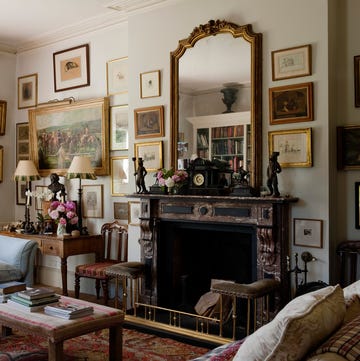
Millennials championed many of the popular design schemes big-box retailers race to emulate today, particularly midcentury modern sculptural styles and pieces with Victorian-era flair. Original art is also a big hit with the middle-ground generation.
Boomers Are Obsessed With the Past

While Boomers may make up the smallest slice of second-hand consumers, their style is pronounced. Like the younger gens, Boomers are chasing nostalgia, but unlike Gen-Zers and Millennials, they aren’t driven by whatever's hot in internet trends. Instead, Boomers are scanning shelves for pieces of their childhoods.
“I think Boomers are drawn to the pieces from their childhood homes as well as brands that made high-quality products in the 80s and 90s. Boomers have a good handle on what things used to cost, too, so they understand practical value,” says Chamlee.
According to Chamlee, their most wanted items include hot-air balloon embossed Pyrex dishes, candy-colored depression glass, and sturdy cast-iron kitchenware.
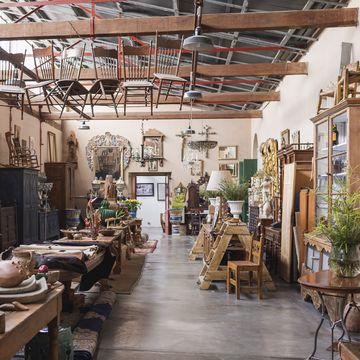
So, whether you’re shopping estate sales, thrift shops, or consignment, there really is something for every taste hidden on the shelves.