3 min read
Every artist has a portfolio—a collection of their best work that showcases their creativity, grit, and expertise—and interior designers are no different. However, the debate over whether it's fair for designers to decline a project—or, in Melissa Crouch’s case, charge an extra fee when a client refuses to have their home photographed—has sparked discussion on social media, with designers and consumers weighing in.
Crouch, better known as @melissaannmariee on social platforms, is a lifestyle influencer documenting her life as a single mom, living, dating, and remodeling her home in her 30s. Recently, she opened up to her 305,000 followers about a frustrating moment in her $40,000 kitchen remodel that completely derailed the project. The problem? Due to safety concerns, Crouch didn’t want her home photographed for marketing materials. Not yet bound by a contract, Crouch faced a choice: pay the $300 exclusion fee or drop the designer. She chose the latter.

“At this stage of my business, I would likely decline a project if a client was completely unwilling to allow photography, unless there were exceptional circumstances,” says Ali Burgoon Nolan, founder and principal designer at the Texas-based interior design firm, Studio Burgoon. “I don’t currently treat it as a simple opt-out fee; for me, it’s more about whether the project still makes sense for the studio given the opportunity cost involved.”
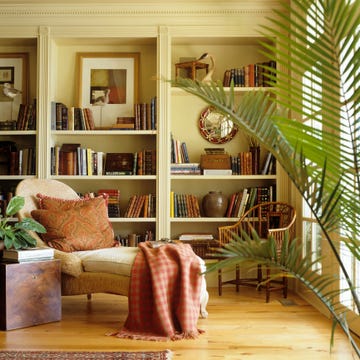
Burgoon has been leading social media conversations about the role of interior designers and their full scope of work, much of which goes unseen by the client. After all, interior designers do a lot more than just select paint swatches. Full-service studios like Nolan’s touch nearly every design detail in your home, from your arched doorways to your stone mantle and your thoughtfully curated bookcase. Each detail plays a pivotal role in the overall design, some more nuanced than others, but each expertly chosen.
“Most of my clients don’t really know what goes on behind the scenes when they hire us, and honestly, they shouldn’t have to know every detail. That’s part of the service,” says Nolan.
Should Designers Charge a No-Photo Fee?
While there is little debate concerning the positive impact of hiring a professional designer, Crouch’s concerns are echoed by many. If a client is willing to pay full price, why should they pay an extra charge for privacy?


Many interior designers work on residential projects, high-end homes, and extensive renovations that elevate floor plans and raise property value through curation and creativity. If they can’t platform these spaces, they effectively have nothing to show for their work, which can impact their credibility and seriously stunt business growth.
“Interior design is such a visual industry, and finished photography is one of the primary ways prospective clients understand our point of view, the caliber of our work, and whether we might be the right fit for them. There’s a very real opportunity cost when a project can’t be documented,” Burgoon explains. “Clients are hiring us to create something that doesn’t exist yet, and a strong portfolio gives them confidence in our taste, judgment, and ability to execute.”
That said, privacy concerns are a real and reasonable deal-breaker for many clients. So, is there a catch-all solution that satisfies both sides? Unfortunately, probably not.
According to Burgoon, who has been in the interior design industry for over a decade, these kinds of concerns require case-by-case conversations and, sometimes, compromise, because in the design world, word of mouth is just as important as a gorgeous portfolio.
“Word of mouth is incredibly important in residential design, especially at the higher end. For many of my clients, their home is the largest asset they will ever have, so they take personal recommendations very seriously when deciding who to trust. Creating a strong client experience is one of the biggest priorities in my business. One of the driving forces behind how I’ve built my process is that I want clients to become true advocates for the studio,” says Burgoon.
So, is it worth it for designers to sacrifice photographs for a good review? It really depends on who you ask.