3 min read
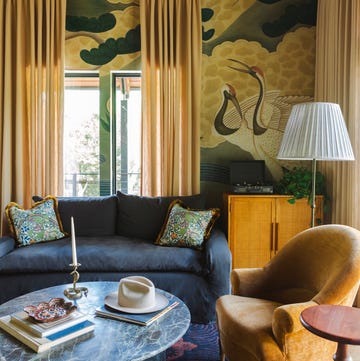
Pictured Above: A corner nook in a sitting room designed by Kaitlin McQuaide of McQuaide Co.
If you’ve been meaning to organize your living room but aren’t sure where to start, you’re in the right place. It can often feel overwhelming, like no matter what you do, clutter keeps creeping back in. The good news is that creating a more functional, tidy space doesn’t have to be complicated or time-consuming. In fact, a few simple rules—some of which take just minutes a day!—can make a noticeable difference in how your living room looks and feels.
To help you get there, we spoke with organization and interior design experts who shared their go-to guidelines for maintaining order in one of the most used spaces in your home. These practical tips are designed to fit into your daily routine, making it easier to stay on top of the mess before it builds up. As Nancy Davilman, interior designer at ND Interiors, says, “No matter how lovely the rug or furniture is or how beautifully the window treatments frame the view, if your living room doesn’t feel organized, no one will want to spend time there.”
Whether you’re starting fresh or just looking to refine your space, these expert-backed strategies will help you create a living room that feels calm, organized, and easy to maintain.
Use Built-In Storage That Fits the Room’s Dimensions

While it might be tempting to use the first storage container or shelves that you see when shopping, Mike Steiner, owner and designer at Bethesda Custom Closets and Blinds, notes that using those tailored to the space can help organize your living room.
“Plan and install cabinets or shelves that are tailored to the space, giving each item a dedicated home,” says Steiner. He explains that if you don’t do this, you risk creating extra clutter and piles in the room.
Add Oversized Baskets to Room Corners
Many people overlook the impact the corners of their living room can have when organizing their space.
“Maximize storage by placing oversized baskets in the corners of the room,” says Marissa Hagmeyer, cofounder and chief operating officer of NEAT Method, and author of The NEAT Method Organizing Recipe Book.
Not only does placing large items in these baskets help prevent visual clutter by keeping them off furniture, but she notes that adding baskets that have designs that naturally complement the aesthetic of your living room can add to it in a way that purposefully elevates the space instead of detracting from it.


Do a Monthly Decluttering

Olivia Parks, owner and lead organizer of the Louisiana-based My Professional Organizer, notes that decluttering your living room once per month is a best practice to follow to maintain order in a space that tends to collect new items (whether intentionally or without realizing it).
“About once a month, go through your living room and see if there is anything that can be tossed or donated,” she explains. “If this isn’t done regularly, items will start to accumulate in the living room.” You may bejunk blind to the amount of clutter in your space until you start regularly purging the unnecessary stuff.
Hide Technology Cords
Andy Yates, NCIDQ, principal designer at Andy Yates Design, notes that the cords that belong with any tech gadgets in your living room should not be visible (if you can help it), or only visible when you’re actively using them.
“By tucking away the chargers and unused tech, you reclaim the room’s architectural lines and allow your actual decor to take center stage,” says Yates. He recommends adding or upgrading furniture pieces, such as desks or tables that can hide cables or those containing induction charging features. If you don’t do this, you’re setting yourself up for living with extra visual clutter.
Clean Surfaces for Five Minutes Daily

Tomlin notes that cleaning the surfaces of your living room for as little as five minutes can have a big impact.
“Do a five-minute reset every evening,” says Tomlin. “I like to do this when my son is showering so it doesn’t seem so daunting [and] I am keeping busy while he is getting ready for bed.”
She adds that doing this can prevent clutter from becoming overwhelming, and in turn can help your living room feel more spacious. It may also help you feel better about your living room as you will likely feel calmer as the clutter disappears (or is organized) and more at ease when spending time in the space.