
 6 min read
If you always feel like you're short on storage, you're far from the only one. It's common to wish for bigger closets, more cabinet space, or extra room around the house. But often, the issue isn't a lack of space—it's that the space you already have is filled with items you rarely, if ever, use.
Think about that overcrowded kitchen drawer packed with cookie cutters and random gadgets. I hardly ever bake, so why am I holding on to cookie cutter shapes for every holiday? That drawer could serve a much more practical purpose. The same goes for other areas of the home, from the linen closet and the cabinet under the bathroom sink to an overstuffed wardrobe. Clutter doesn't just consume valuable storage—it can also create unnecessary mental stress.
“People don’t realize how much clutter is weighing them down,” says professional organizer Bridget Urgo, co-owner of the home organization and relocation company The Settler. “When they start to declutter, they can find things more easily, think more clearly, and spend less money because they aren’t buying duplicates of things that they already own.”
Keep reading to find the household items professional organizers say you can confidently donate or throw away—and get practical ideas for creating a more organized, functional home.
The Vases Your Flowers Came In
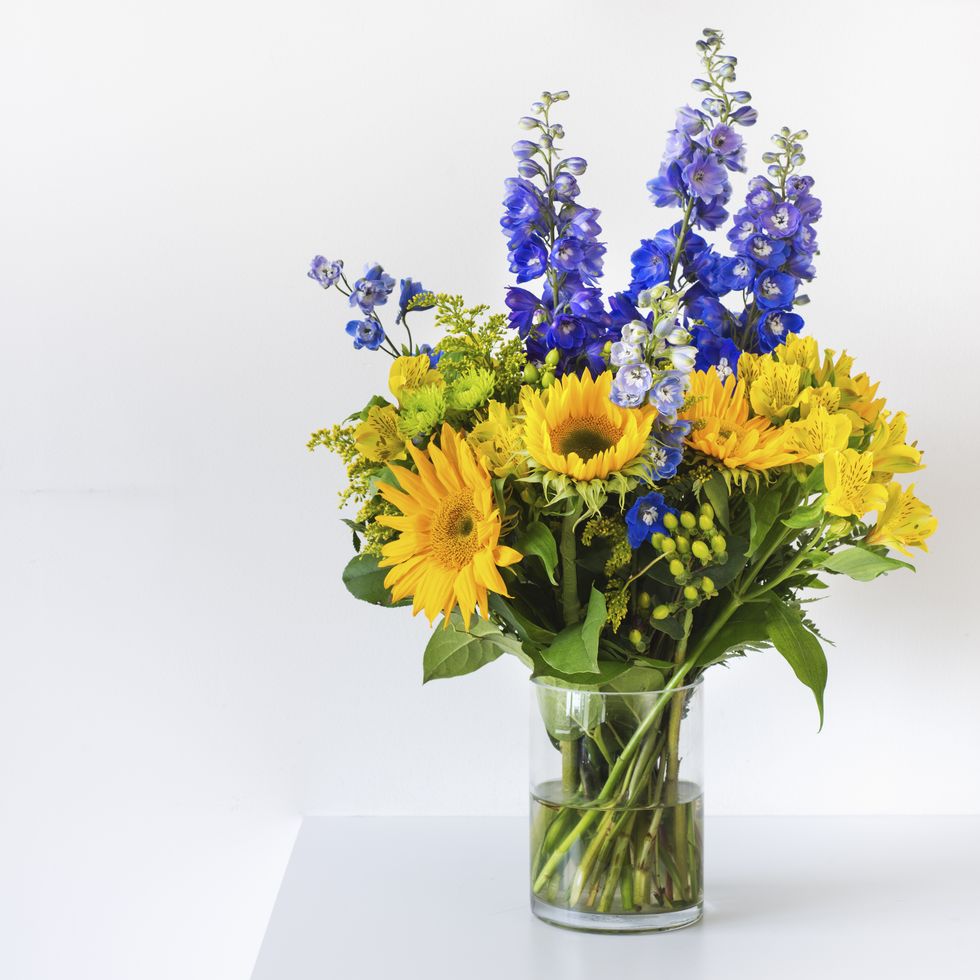
After someone sends you flowers, you’re left with a utilitarian-looking vase that inevitably gets stashed in a cabinet or closet with all the others you’ve ever received. “You are never going to use those vases—when you're arranging your own flowers, you’ll use the nice Tiffany vase that you got for your wedding,” says professional organizer Maura Fitzgerald, founder of Fitz Just Right, who just removed two huge bins of vases from a client’s home.
Solution: Florists will happily take these back, so upcycle your vases by dropping them off at your local flower shop.
Kitchen Gadgets
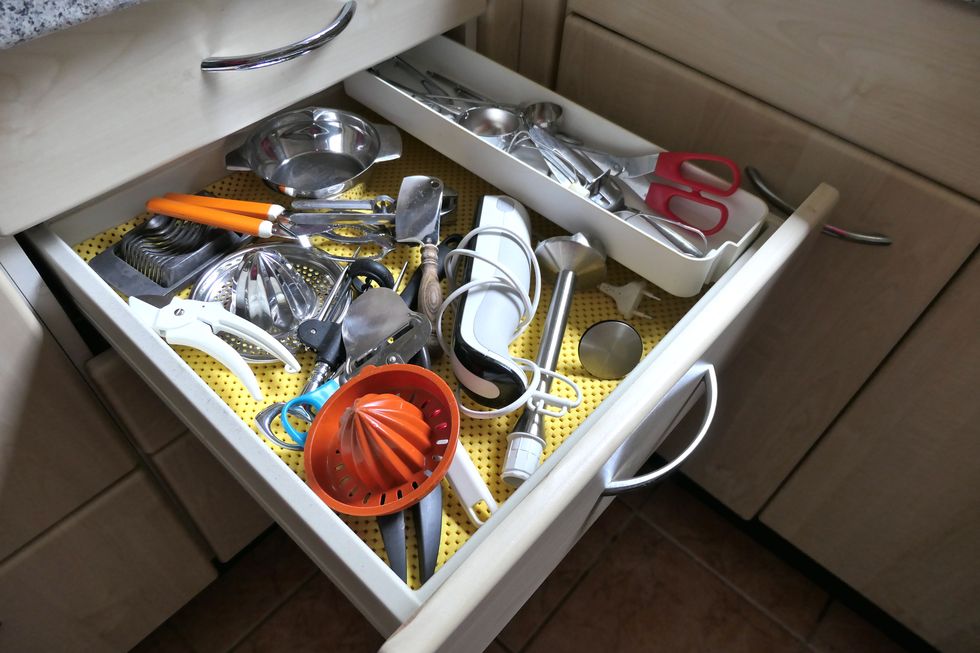
One reason we all have so much clutter is that we have too much stuff in general, especially when it comes to our kitchens. “You don’t need an apple corer and a mango slicer. They are too big and take up too much space in kitchen drawers," Urgo says. "Just grab a knife when you need to cut fruit.” Fitzgerald feels the same way about trendy, unused appliances. “Instant Pots…who is using those now? I see a lot of Instant Pots and Vitamixes collecting dust in storage rooms or taking up space in cabinets,” she says.
Solution: Donate or discard appliances that you no longer need. Many public libraries have programs that allow members to rent appliances; it’s worth checking to see if they might want yours, especially if it’s unused.
Old Electronic Devices
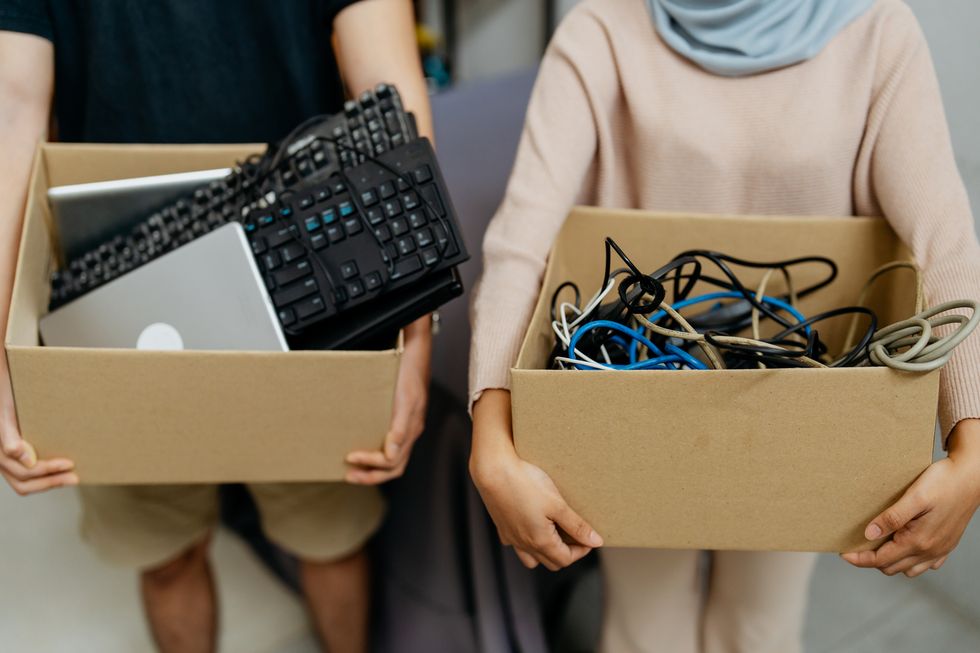
We all have that drawer or cabinet: the one where we hoard cracked phones, outdated laptops, and cords and boxes that go with electronics that we no longer even use. We hold on to this stuff because we think we may need it someday, but no one ever does. Take it from us: Get rid of them—but do so only after you've wiped them clean. Before discarding old devices, Urgo urges clients to clear the memory so no one can get hold of important personal information.
Solution: After you reset your device, recycle it or sell it back to the manufacturer. You may be able to get a credit toward a brand-new phone or computer.
Tote Bags
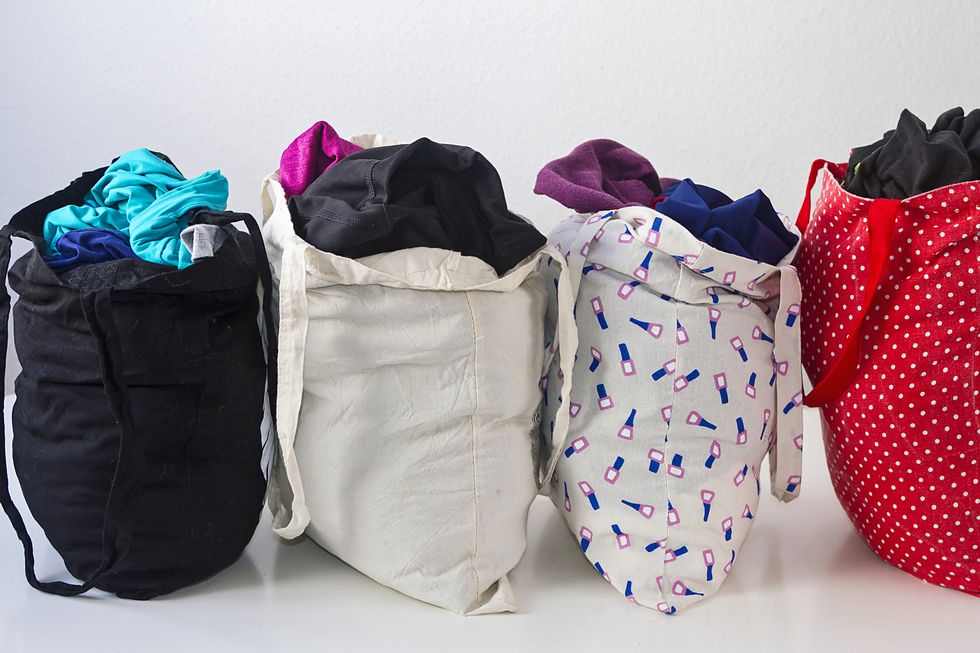
Organizational pros say it’s astounding how many canvas tote bags and reusable grocery bags they find hanging in mudrooms, stuffed into hall closets, or lying around musty garages. “You just don’t need that many bags—edit them down so you are left with under five bags,” Fitzgerald says.
Solution: Use your surplus bags to carry other items on this list to Goodwill, or call a local food pantry and see if they can use them. The bags may be helpful to people who are picking up groceries for the week.
Instruction Manuals, Receipts, and Other Paper
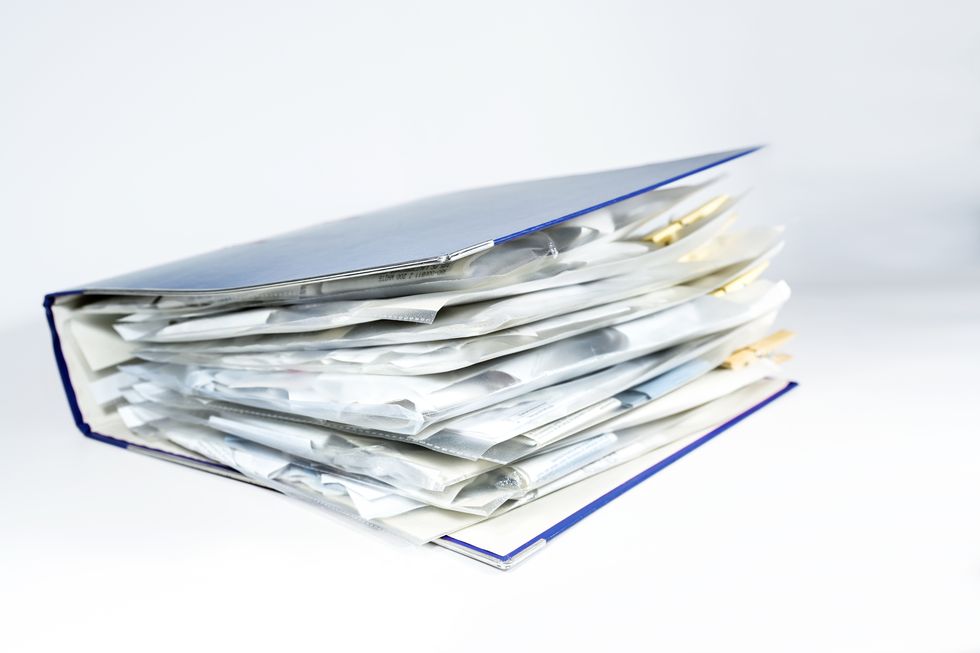
According to Urgo, this is a big issue for baby boomers. “They have so much paper—old files, receipts, junk mail, instruction manuals—clogging up their homes and offices,” she says. Young families have a lot of paper clutter, too, but it’s in the form of school art projects and homework. Your children’s masterpieces are admittedly hard to part with, so professional organizer Nikki Boyd, founder of At Home With Nikki and author of Beautifully Organized: A Guide to Function and Style in Your Home, encourages clients to have their kids pick their favorite pieces to keep.


Solution: Take pictures and store them in a digital folder for safekeeping. “All the other information in those manuals you can get on the company website or YouTube,” Fitzgerald says. The same goes for archiving kids’ artwork. Aside from your all-time faves, “the other artwork can be photographed with a phone and curated in a beautiful digital photo collection that can be enjoyed at any time,” Boyd says.
Gift Wrapping Supplies
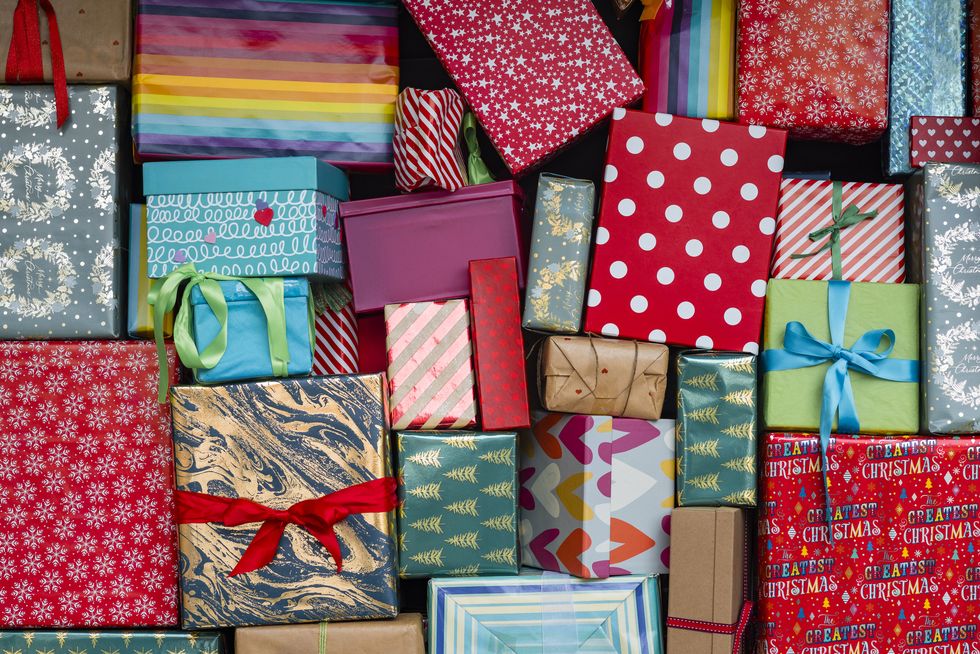
Organizing expert Shira Gill, author of Minimalista, says it’s not uncommon to walk into a house and find entire closets filled with wrapping paper, tags, tissue paper, boxes, ribbons, and bows. “I find that people love buying gift supplies simply because they are cute, and they like the identity of being a gifter,” says Gill, who notes that actual gifts with no destination are another common form of clutter.
Solution: Gill suggests investing in an Elfa Utility Mesh Gift Packaging Over the Door Rack and narrowing down your gifting inventory into just what fits in that station.
Cookbooks
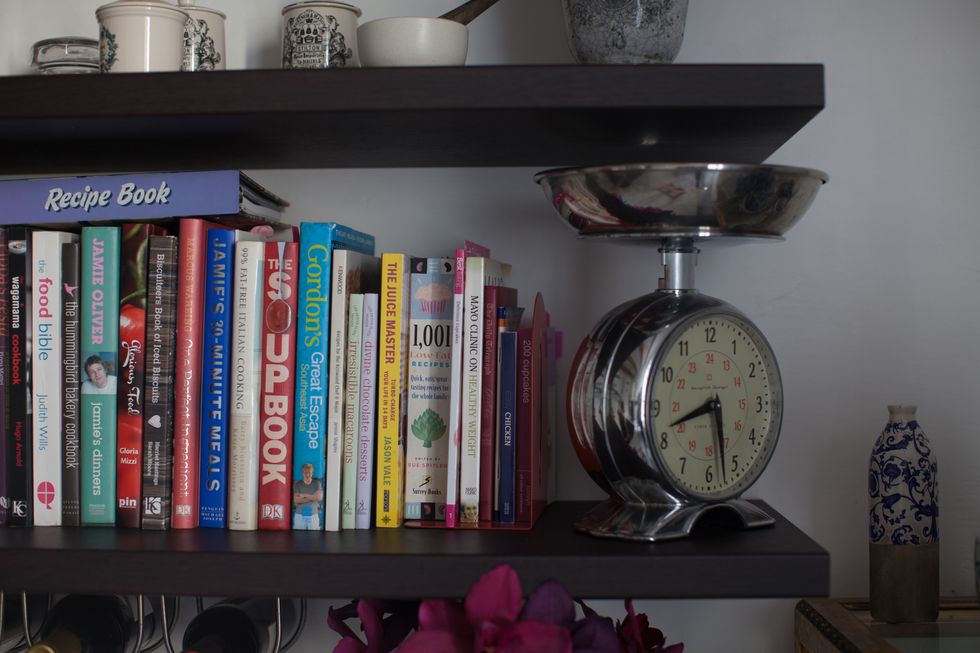
With so many of us getting our recipes online or via social media, those beautiful cookbooks don’t get much use anymore.
Solution: Hold on to three or four that you love and have room to attractively display in your kitchen, then donate the rest. Gill uses this strategy all over the house when trying to thin out extra items. “Good editing is as simple as clearly defining your limits (i.e., what you can fit) and then selecting your favorites,” she says.
Anything That’s Past Its Prime
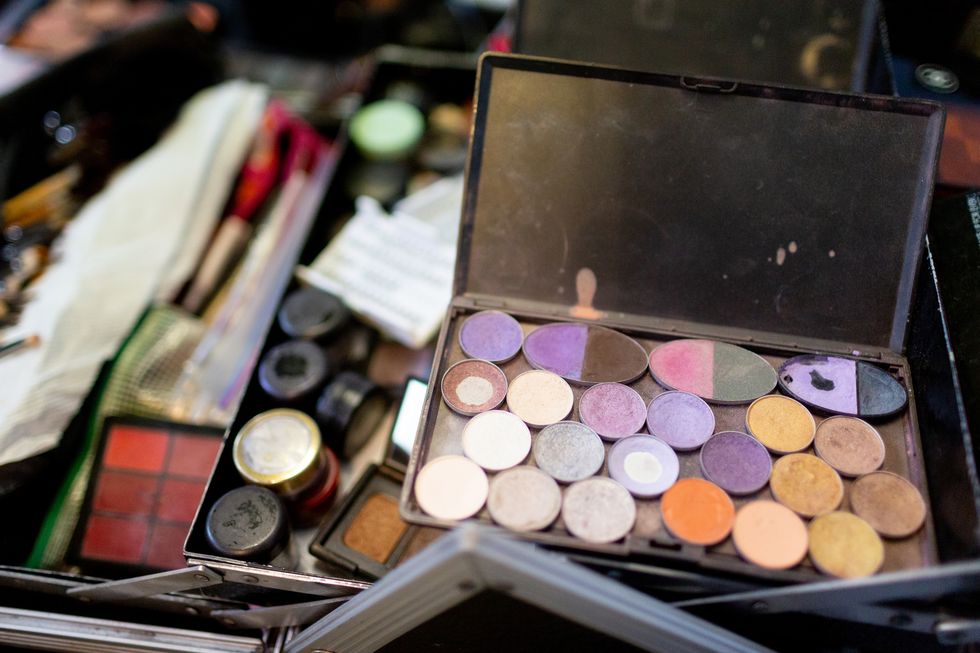
Old toys; your teenage son’s too-snug hockey skates; broken crayons and capless markers; expired spices and beauty products (did you know you're supposed to discard mascara two to four months after purchase?). It all has to go. “My rule is, do you eat this or use it? If not, toss it,” says Urgo. Old cans of paint also fall into this category. “Paint expires pretty fast, so you’re never going to end up using the rest of what’s in those cans,” says Fitzgerald. “Take a picture of the cover so you remember the brand and the color if you need to touch up a wall in the future.”
Solution: It depends on the item, but there’s a sustainable and eco-friendly way to get rid of pretty much anything. For old paint, contact a local paint recycling or disposal company to help you throw away the paint in an environmentally responsible way.
Tea
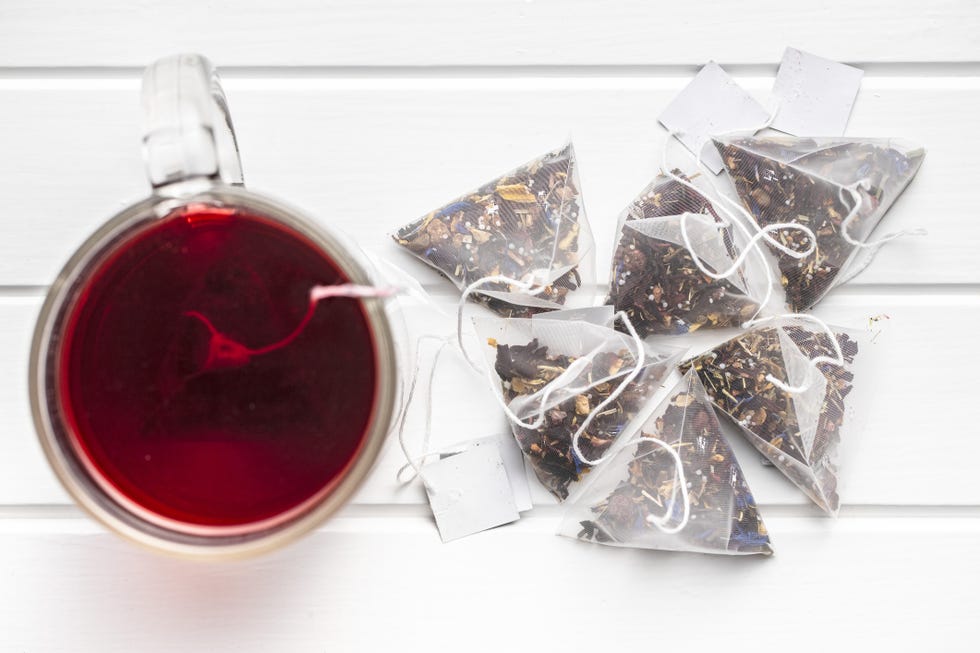
When Gill starts organizing a house, she is often surprised to find loose tea bags and boxes of tea jamming up drawers, stuffed in cabinets, and tucked away in the pantry. “It’s truly staggering,” she says. “I have no idea why, but people seem desperate to fill their homes with every imaginable type of tea.”
Solution: She urges her clients to pause on the tea purchases until they’ve used up their existing supply, and she limits volume by ditching all unnecessary packaging and using a tea organizer.
Extra Linens
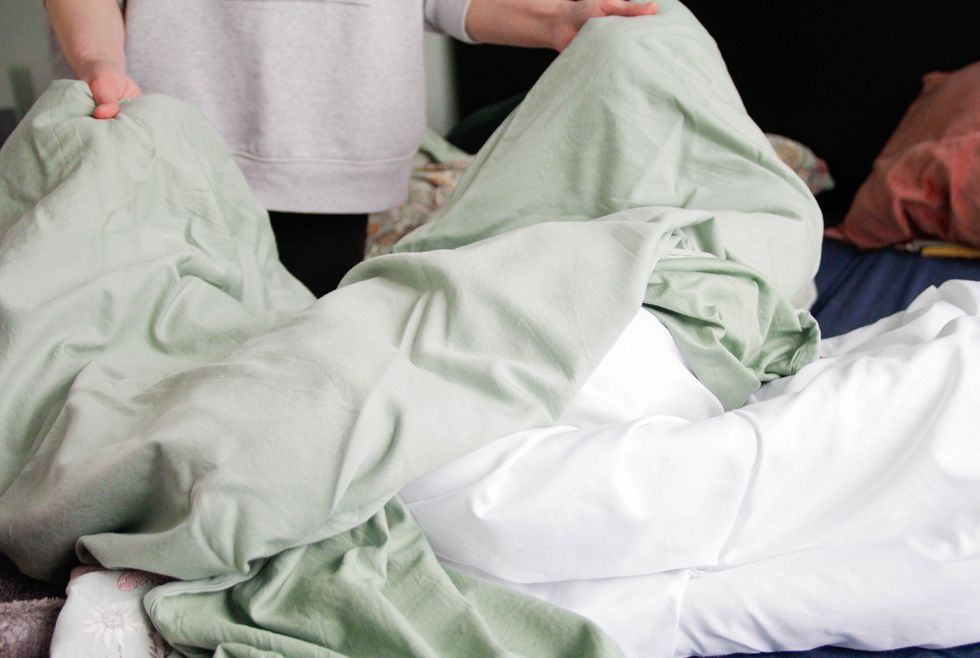
According to Fitzgerald, linen closets are an unexpected but significant source of clutter. People store extra sheets, pillows, and blankets that they really don't need. “Adults only need one pair of sheets because you’re washing and changing them once a week,” she says. “Kids may need two in case of accidents—but that’s it.” Pillows collect dust mites, so they shouldn’t be stored at all.
Solution: You can donate sheets and blankets in good condition to a women’s shelter. For items that are past their prime, check in with an animal shelter or look into textile recycling in your area.


