
If you need proof that tile stickers are a good idea, just look to author and content creator Katherine Ormerod. In her London rental home, she transformed her Portuguese-inspired downstairs toilet by applying 420 vinyl stickers to existing wall tiles. It was a serious labour of love — and proof that you can achieve a luxe look on a budget.
According to interiors brand Where Saints Go, the biggest trend shift in 2025 is that tile stickers have evolved from a renter’s hack to a deliberate style choice. 'We’re seeing them in bold kitchen floors, statement splashbacks, even stair risers in luxury homes,' the team says.
Tile stickers – also called vinyl tiles or decals – are a quick and easy way to refresh your home without fuss or mess. They’re cost-effective, renter-friendly, and ideal for anyone craving a style update without the permanence of retiling.


They’re brilliant for trialling a new look on walls or floors before committing to the real thing, for instantly smartening up a tired area, defining zones, or adding pattern to a neutral space. Even a small strip of tile stickers can create a beautiful border.
They can even be surprisingly practical, says Mike Head, director at Atlas Ceramics: 'Sometimes, people have used them to cover up screw holes for when a shower part has been removed, leaving a hole or a blemish. A transfer can cheaply cover this up, without having to fork out for new tiles.'
Where to apply tile stickers
• Tile stickers can instantly modernise a kitchen but make sure they are suitably heat-resistant if placed near hobs or ovens. In a smaller kitchen, metro-style tile stickers can deliver maximum impact with minimal effort.
• Avoid using them in areas that will be regularly soaked, such as in direct flow of a power shower spray or on the floor of a shower. Generally speaking, the downstairs loo is the perfect place to experiment.
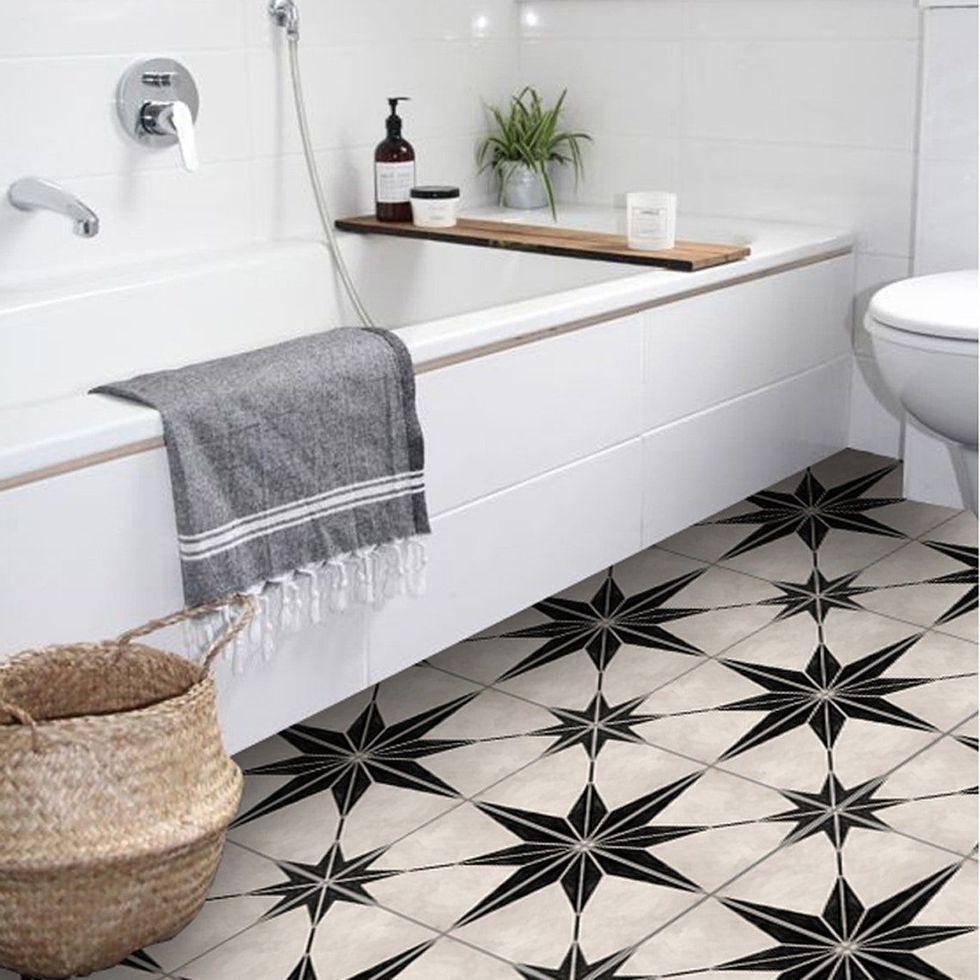
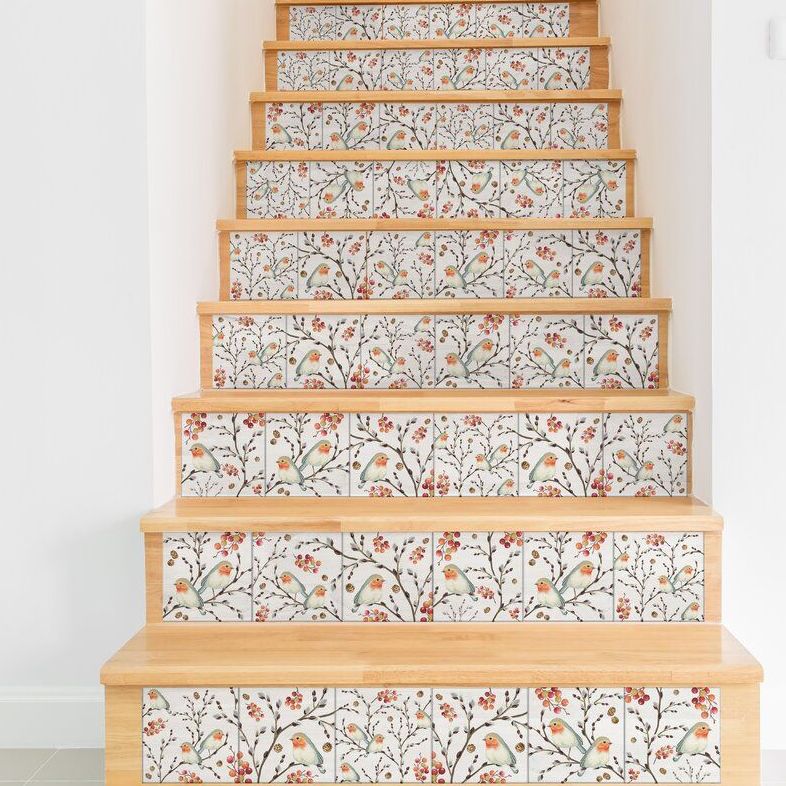
• In a period home, a classic encaustic black-and-white ‘Astra’ star design or a traditional graphic pattern will look stunning on a hallway floor – and can be replaced easily. Using tile stickers on stair risers is also a brilliantly creative way to introduce colour and pattern.


So how easy are they to apply?
Worried about the faff factor? Don’t be. 'Tile stickers deliver a whole new look in an afternoon, no builders, no mess, no eye-watering bill,' Where Saints Go continues. 'If you can peel a banana, you can apply tile stickers. Just clean, line up, and smooth – no tools required.'
Dos and don'ts
✅ Do:
• Apply stickers to smooth, clean, and dry tiles only. Any trace of dirt, soap, or grease will prevent them from sticking properly. A quick wash with sugar soap and warm water ensures every trace of grime is gone.
• Use them in kitchens, bathrooms, laundry rooms, or on stair risers. Good-quality stickers can handle splashes, steam, and everyday kitchen heat.
❌ Don’t:
• Apply onto damaged or uneven tiles — the surface needs to be intact for stickers to adhere well.
• Place them near open flames, such as directly behind a gas hob.
• Use them in constantly soaked areas, like shower floors or directly under a power shower, where water and heavy wear will cause them to peel.


Pitfalls to avoid
• Smooth out thoroughly: Always smooth each tile sticker to prevent air bubbles. This is especially important in shower areas, where bubbles can cause the sticker to lift, breaking the seal and letting water seep in. Mike recommends using a spatula to press out every crease.
• Choose low-tack stickers: Opt for low-tack designs that allow careful repositioning before they fully set, giving you a little margin for error.
• Don’t rush the job: Tile stickers are a quick fix compared to retiling, but precision matters. Define the area with masking tape to keep edges super-straight.
• Cut with care: Take time around plug sockets, switches, and awkward corners. A sharp scalpel or Stanley knife will give you the cleanest finish.


Are tile stickers just for tiles?
Certainly not! Gabrielle Morabia, designer and founder of tile sticker specialist company Quadrostyle, explains that her stickers can be applied to far more than ceramic tiles. Suitable surfaces include:
- Smooth ceramic wall and floor tiles
- Plastered walls painted in satin or gloss
- Laminated surfaces such as Formica, melamine, and Ikea furniture
- Linoleum, vinyl, and laminate flooring
- Parquet and varnished wood
- Sealed concrete
- Sealed polished stone, including granite, marble, and terrazzo
- Glass, metal, plastic, acrylic, and Perspex
In other words, if it’s smooth and sealed, chances are a tile sticker will work wonders.

Quadrostyle Tile stickers
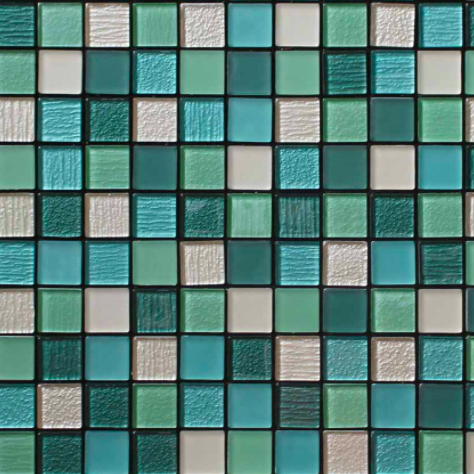


Caiti PVC Peel and Stick Tile
How to protect floor tile stickers
Because floor stickers take more wear and tear than wall stickers, a little extra care goes a long way. Always add felt pads to the legs of tables and chairs to prevent damage. 'Otherwise, the stickers may tear and peel up. Stepladders and kitchen stools with metal feet will also gouge the stickers, so take care,' warns Gabrielle.
How to effectively remove tile stickers
'My top tip would be to use a hot air gun to loosen the glue behind the sticker and then, with a spatula, peel it off in one go,' says Mike. 'For the excess glue left on the tile, use a good quality glue remover.'
Do tile stickers really last?
Good-quality tile stickers can last for years, especially if you prep the surface properly and follow the manufacturer’s instructions. It’s also worth keeping a few spares on hand, so you can swap out any damaged ones easily.
For extra durability underfoot, Gabrielle recommends sealing floor stickers with an epoxy suitable for non-porous surfaces.


