After what felt like an endless stretch of miserable weather in the UK, spring has finally sprung. But when is the right time to turn the heating off at home?
While habits vary from home to home, the experts suggest 29th March as the ideal date — the weekend the clocks go forward.
'By late March, the average daytime temperature begins to rise to 14-15 °C, daylight hours have noticeably increased, and homes start retaining more natural warmth,' says Robin Antill, a property expert at 1st Choice Leisure Buildings.
'Think of it as the point where you can start lowering heating reliance. Remember, it's a guideline, not a rule,' he explains. 'The UK climate changes significantly; someone who lives in Cornwall will have milder conditions much earlier than someone in the Scottish Highlands.'


Robin also recommends considering other factors that could require further heating. Ask yourself, what are the needs of those living in the household? If you have elderly residents or young children, they may require more heat. Also consider what the insulation is like in your home and how much time you spend in it on a day-to-day basis.
‘For many households, the smart way is to start reducing heating gradually, limiting it to just early morning, rather than completely switching it off,' he adds.
How can I improve heat retention in my house?
If you plan to turn your heating off soon, take a look at Robin's tips for how to help your home hold onto heat longer.
1) The ‘Sun Trap’ Method
Robin's first tip involves opening your curtains and blinds during the day to ‘allow solar gain, especially in south-facing rooms or garden offices.’ He then recommends closing them before dusk to trap the heat inside.
2) Draught-proof your home


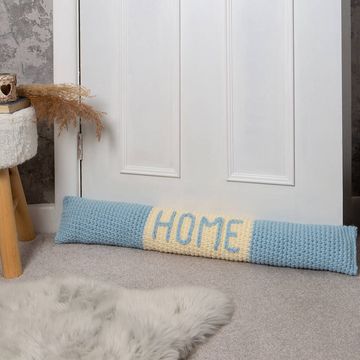
There's nothing like a cool draught to let the air come in and make a whole home feel cold. 'Homes can lose heat quickly through gaps in doors and window frames. Adding rubber seals and brush strips can make a noticeable difference,' says Robin.
3) Add thermal blinds or curtains
Switching your curtains could help keep the heat longer during this transitional period. 'Lined blinds and thermal curtains react like a second layer of glazing, helping keep warm air inside once the temperature declines in the evenings.'
4) Check your roof insulation
'Heat naturally rises, which means poorly insulated roofs are one of the main sources of heat loss in any home. Check loft insulation levels and seal any gaps before switching the heating off, as this can make a difference to how long warmth is preserved.'
Follow House Beautiful on Instagram, TikTok and Pinterest
The Rug Edit