4 min read
We all have those moments in our homes when we finally feel like “grown-ups” and start investing in quality pieces—the ones that will last for years or even become heirlooms someday—those items that make your home feel special. For many of us, it means purchasing high-end furniture for the first time as opposed to picking up quick-fix furniture at big-box stores.
So, you’ve invested, you’re proud of the furniture you’ve bought—why does everything still look “off,” or even “cheap”?
“It’s very easy to make decorating mistakes that cheapen high-end furnishings because decor and the surrounding furniture are never considered in isolation,” observes Craig Gritzen, founder and principal designer of Curated Style Collective. “It’s very common to see examples of misjudged color, scale, or materiality, which affects how expensive furnishings are perceived.”
That’s why it’s key to “make your decor feel just as high-end as the new furniture you’ve invested in,” says Dani Morton, principal designer of Val Collective. “To make your decor feel just as high-end as the new furniture you've invested in, select each item to be able to stand on its own. If it doesn't justify its place, or tell a story, it shouldn't be there.”
While this is a good general rule of thumb, we’re here to dive even more into the decorating mistakes (even the best of us make) that end up making your expensive furniture look cheap.
Overdoing the Decor
“Less is more,” Morton says. “If you just invested in quality furniture, apply the same logic to your decor. Work with fewer items, but pieces that give a bigger impact.”
Gritzen calls this “too many decorative layers.” For instance, he says that overdecorating a dining room table or hiding the patina and finish work by using oversized tablecloths instead of a runner “removes the finer details that make the expensive furnishing stand out from less luxurious alternatives.”
Following Too Many Trends

If you purchase decorative items in the name of following trends, you may be cheapening your expensive furniture. As Tina Ramchandani, founder and principal of Tina Ramchandani Creative, says, it's easy to invest in something that feels exciting in the moment, “but if it's a passing trend, it will look ‘cheap’ quickly.”
Not Treating Furniture as “Anchor Pieces”
Gritzen says that furniture placement is the first step that should be considered when decorating a room.
“Most people think of decorating only in terms of adding objects and accessories, but furnishings, along with area rugs, are the room’s decorative anchors,” he says. “One common mistake that can make expensive furniture look cheaper after placement is not considering the angles in which it will be viewed in the space. Depending on the layout and positioning, the back or the sides of a sofa, for example, may be more visible. This means the furniture’s silhouette, along with its visual weight, needs to be considered prior to purchase.”
Sticking to Matching Sets

“Nothing reads ‘big-box store’ like a matching set, and it immediately cheapens the space,” Morton says. Even if you have purchased high-end furniture, matching every newly purchased piece perfectly will actually make it look low-end.


Gritzen says that you also shouldn’t match your new high-end furniture too closely with your existing furnishings.
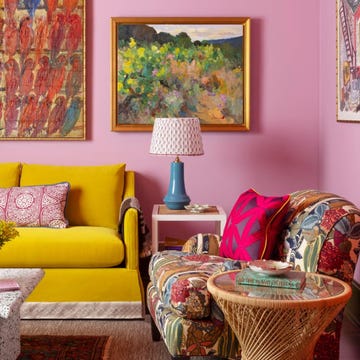
“When most of the furnishings share the same color or finish material, the space can start to feel flat and monochromatic,” he says. “This can cheapen your expensive investment furnishings and make your space feel more like a showroom instead of a collected home full of character.”
Using Improper Scale
“Scale and visual weight are also important considerations,” Gritzen says. “A gorgeous sofa or dining table can feel cheaper if the accessories used to style the space are too small or lack the presence to complement the piece.”
Treating Everyday Items as Afterthoughts

“One mistake that I see in almost every home is treating the technology and other everyday essentials we bring into our homes as a design afterthought,” Gritzen shares.
“Televisions, smart home technology, record players, speakers, and all of their cords become part of the room’s composition. When these items are selected without considering their scale, finish, and relationship to the furnishings, they can cheapen the design and make the expensive furnishings feel less elevated.”
Only Using “Retail Items”
If you’re all about buying new, that’s totally fine—but your space may lack some soul and interest, which actually can belittle the specialness of your high-end furniture. That’s why Morton is a big fan of mixing “new and collected pieces.” In other words? It’s time to get secondhand shopping and collect some antiques.
Skimping on Pillows and Throws

Since Morton points out that pillows and throw blankets are often the first things you touch when using a room, it’s key to choose them wisely.
“If not chosen properly, you can feel the bad quality immediately or see the wrong size,” she says. “Make sure to invest in properly scaled and high-quality pillows and throws.”
Skipping the Final Touches
In a space with high-end furniture, Ramchandani says that “you can have the perfect room, but without the accessories and final layer of touches, a room, and all the pieces in it, will fall flat.” That’s why it’s essential to curate, curate, curate, and make the room feel “finished” with some of your favorite decorative pieces.