

 5 min read
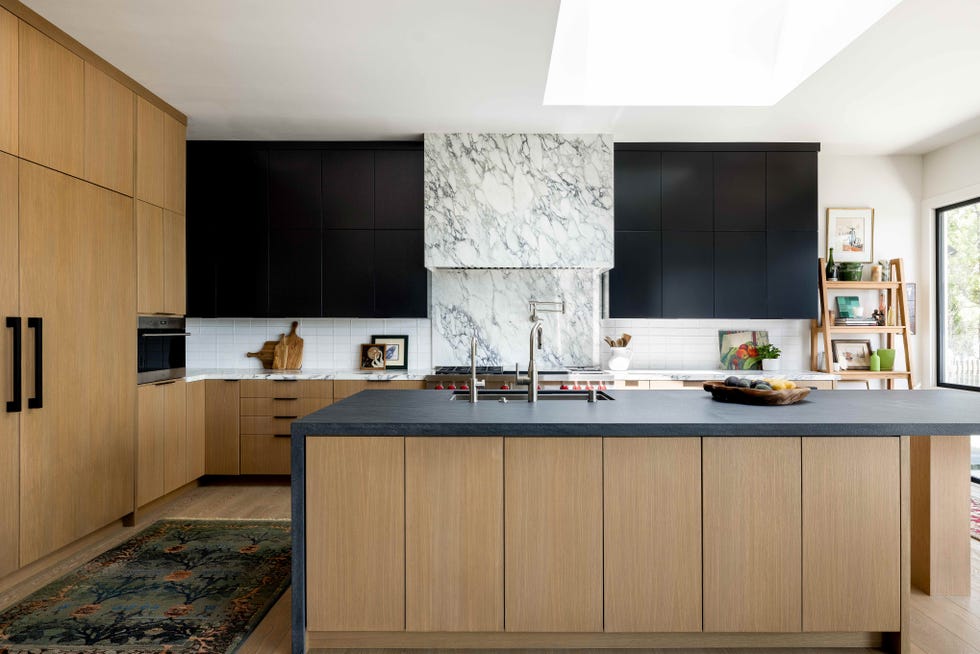
Pictured above: A kitchen designed by McCroskey Interiors in our 2023 Whole Home.
Many people assume that helming a successful interior design firm is all about having impeccable taste. And yes, while an instinct for color or the ability to effortlessly pick the perfect rug size for any room certainly come in handy, they’re only one part of what it takes to thrive in the profession.
According to Neal Beckstedt, founder of Neal Beckstedt Studio, the best designers often possess qualities that seem to contradict one another. “Creative yet practical, free-thinking yet organized, and being a great listener yet opinionated are my top three must-haves,” he says. Balancing these traits is essential, especially while juggling deadlines, budgets, contractors, clients, and the inevitable surprises that come with every project. Success in interior design depends as much on problem-solving and organization as it does on artistic vision.
We spoke with experts across the industry to learn the essential traits all exceptional designers possess. Here’s what they said.
An Appreciation for (Everyday) Beauty
Recognizing that a manicured garden or a museum-quality painting is beautiful isn't hard, but it's seeing beauty in the everyday moments that helps designers make the most of a room.
“Having an innate appreciation of beauty allows you to see potential in every space,” says Cheryl Luckett, the founder of Dwell by Cheryl. “When you naturally appreciate beauty, you’re able to recognize the little details that make a room feel truly special,” she adds. “This deep sense of beauty guides you in designing spaces that not only function well but also inspire and bring joy to the people who live there.”
Natural Curiosity

Many designers have an innate sense of inquisitiveness that fosters their desire to push beyond the expected. “From an early age, successful designers tend to be curious about their surroundings,” says Linda Hayslett, the founder of LH.Designs. “They have a heightened awareness of how spaces feel and function, and they notice details others might overlook. This attentiveness allows them to instinctively understand what elements make a space cohesive or disruptive.”
It takes time to develop a discerning eye; designer Michelle Gage of Michelle Gage Interiors recommends seeking out opportunities that stretch you beyond what you typically see and experience. “Take yourself to museums and home shops,” she adds. “Get out and travel. Be around other people who do the same. You must put in the time.”
On a tight budget? Flip through magazines, books, or browse design stores instead. “Scrolling on social media has its purpose and can be inspiring, but you have to get out from behind the screen if you want to really hone your eye and become the person with ‘the gift,’” Gage adds.
A Defined Sense of Style
Developing and understanding your own personal style is the difference between recognizing what looks good and creating a great space yourself.
“Having a defined sense of style brings clarity and confidence,” Luckett says. “When you know your style, it helps you create spaces that are cohesive and true to your vision, while also allowing your clients to trust in your direction.” Of course, one doesn’t want to become too rigid. “It’s not about sticking to one specific look but having a strong foundation that guides your choices, making it easier to blend your expertise with what your clients need.”


That said, being able to choose a nice couch or pretty pillow is all well and good, but having a sense of how all the different components will come together is a crucial trait. “It’s more than just knowing what looks good; it’s understanding how colors, textures, and layouts can create harmony and evoke emotion,” says Luckett. This means also having a strong understanding of scale, proportion, and flow, she explains.
Problem-Solving Skills
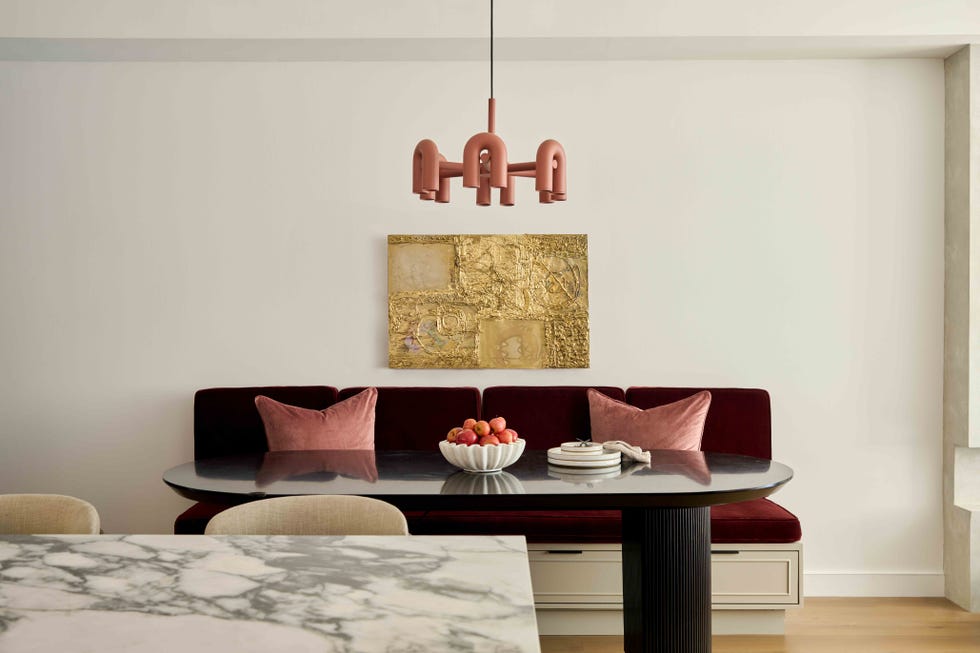
Confidence is also key when it comes to being able to resolve problems that emerge during the design process.
“No design project goes 100 percent smoothly,” Hayslett says. “Whether it’s an unexpected layout issue, sourcing difficulty, or budget constraint, skilled designers are adaptable and thrive on problem-solving. They view obstacles as challenges to overcome with creativity.”
Sarah Lederman, the founder of Sarah Lederman Interiors, agrees. “At the end of the day, it's a client-centric business,” she says. “Even if [clients] understand your aesthetic, they are all looking for different outcomes, so being open and willing to try different approaches will take you far.”
Strong Gut Instincts
Interior designers know how to quickly make—and feel confident in—their decisions. “I have always had a strong gut instinct,” says Amy Studebaker, the founder of Amy Studebaker Design. “I follow that feeling often, whether I am selecting fabrics, navigating clients, building my team, or determining what’s next,” she adds. “That trust and confidence in myself and others tends to lead me in the right direction and keep me on track as a designer and business owner.”
Lots of Empathy
“The trait that has pushed me further in my career as a designer is being empathetic to my clients and their wants and needs,” says Phil Norman, the founder of Norman Design Group. “Being a good listener and picking up on things they may not be telling you is what sets good designers apart.”
Good Communication Skills
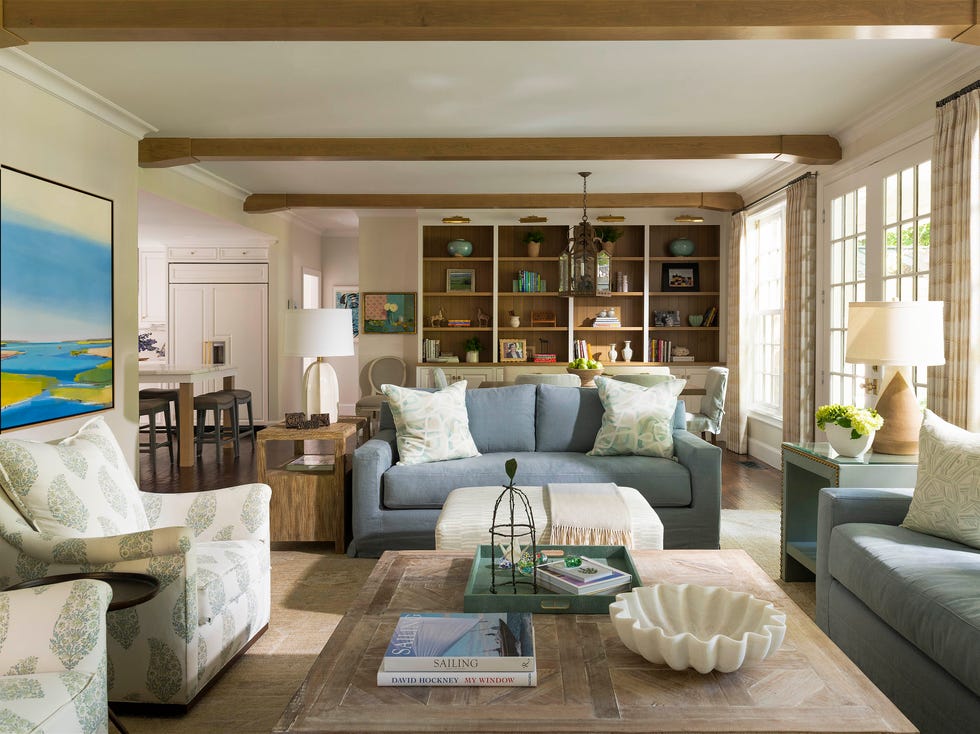
Designers need to be able to look at an empty room and picture a world of potential. “Looking at a space, you can quickly envision in your mind exactly what it’s going to look like before you even get started,” Nayak says. However, having the ability to sell that vision to others is equally important, says Sarah Fleischer, the founder of SRF Interiors. “You can have the best design sense and style, but without the confidence to communicate that vision or opinion to a client, it likely won’t get you very far,” she says.
In some cases, executing one’s vision may require pushing clients beyond their comfort zones, which requires excellent communication skills, says Cheri Etchelecu Martin, the founder of Cheri Etchelecu Interior Design. “Without solid communication skills, a project will be unsuccessful, no matter how wildly creative you may be,” she says.
Attention to Detail
Those who appreciate order and direction will feel right at home in the design world. “Many skilled designers have Type A personalities, which means they thrive on precision and control,” Hayslett says. “It’s not just about noticing the big things—like a room’s layout or color scheme—but the smallest details that others may overlook, like whether screws match a fixture’s finish or if a light bulb looks wrong or out of place.”


