With spring well and truly here and the warmer summer months on the way, it can be a tough time for those who suffer from hay fever. As one of the most common allergies here in the UK, with one in four people affected, around 16 million of us can struggle to enjoy time spent outside.
From itchy eyes to a runny nose, sneezing and general congestion, living with hay fever can be a difficult condition to contend with. However, Carlos Real, Gardening Expert and Managing Director at TotalLawn, has some tips to share that could make your garden a hay fever-free space.
Here are some of the small changes that you could make in your outdoor space:
1. Maintain your lawn
As the most common cause of hay fever, grass, and the grass pollen that scatters in the wind, can stir up symptoms for sufferers outside. The best way to reduce the effect that grass pollen can have is by mowing your lawn regularly. Carlos recommends doing this once a week. That way the grass won't get a chance to flower, meaning it will produce less pollen.
When it comes to gardening in general, wetting down grass before you embark on a day in the garden and edging your green space with stones can also help to keep allergens at bay.


2. Avoid wind-pollinated plants and trees
As hay fever is caused by an allergic response to allergens such as pollen and dust mites, you want to ensure that you have the right plants and trees in your garden.
For example, 'wind-pollinated plants transfer light particles of pollen that are easily inhaled, whereas insect pollinated plants produce heavier pollen that isn't as easily airborne,' Carlos explains.
'It's best to avoid planting trees like ash, oak, hazel, horse chestnut, and sycamore, and instead opt for plants with showy flowers like iris, delphinium, lobelia, and geranium – they'll brighten up your garden too! Or, opt for a fruit tree, as apple, cherry, pear, and plum trees are amongst those with the lowest allergens.'


3. Prevent weeds from building up
Certain weeds such as dandelions, ragwort and creeping thistle are notorious for causing hay fever symptoms, so it's always wise to remove them before they get a chance to flower.
Pull out weeds as soon as you see them pop up and again, make sure to maintain your lawn by mowing, feeding and watering it regularly.


4. Avoid your garden completely, even if it is allergy-friendly, during high pollen count days
Keep an eye on the weather forecast for the pollen count as it is best to stay away from your garden on days when it is extremely high. Hay fever symptoms could make such a time spent outside completely miserable.
'If you must spend time in the garden, be sure to wear a hat (to protect from the heat and stop pollen sticking to your hair) and gloves and when you are finished, change your clothes to reduce the chances of bringing pollen into your house,' Carlos suggests.
Follow House Beautiful on Instagram.
13 outdoor cushions that are both practical and stylish

Bring the sun to your garden (even on a cloudy day) with Anthropologie's embroidered indoor/outdoor cushion. Perfect for layering on your garden sofa or bench, it's made from polyester and features a piped yellow edge.

Boasting a rust colourway and printed swirling sand dune pattern, this outdoor cushion has been crafted from high-quality UV and water-resistant polyester fabric. It's sure to jazz up any garden sofa.

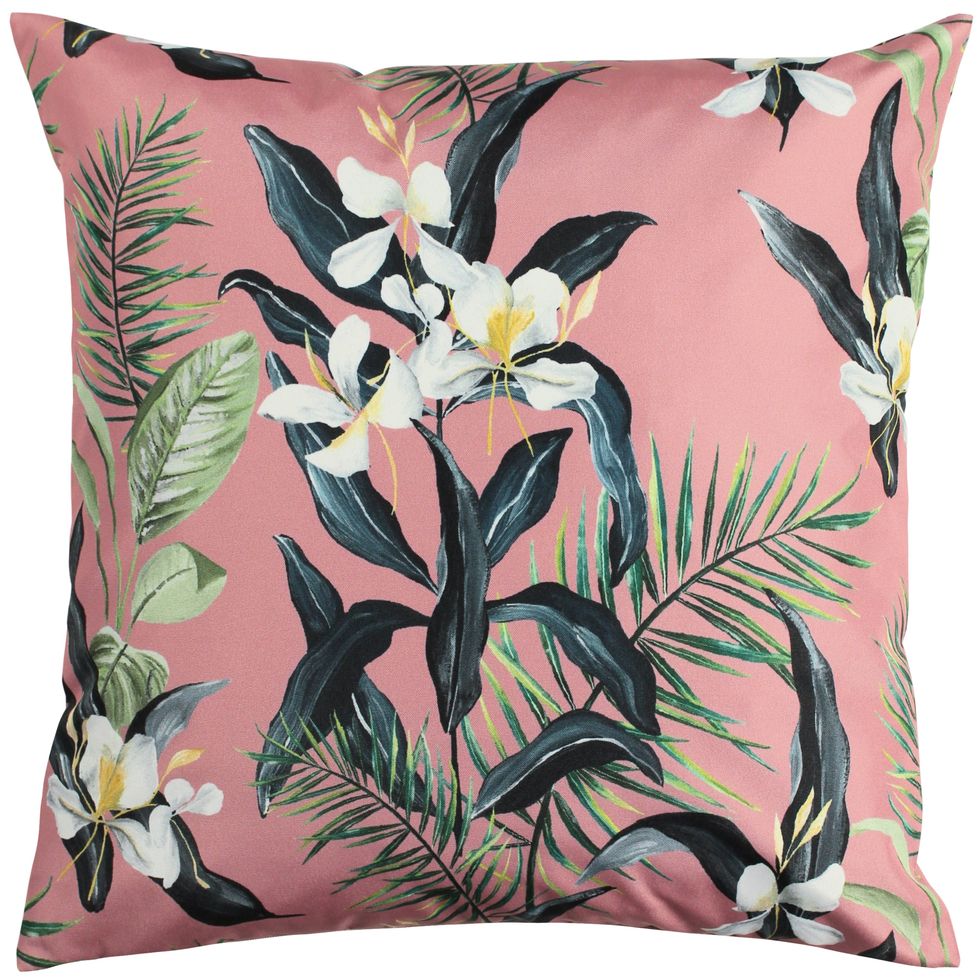
Bring a tropical feel to your outdoor space with this fun cushion from Next, adorned with palm trees, animal motifs, summer plates, and more.

Give your outdoor bench added comfort with this long cream cushion. Choose from a range of colours to find the right one for your space. Why not get the matching seat pads, too?
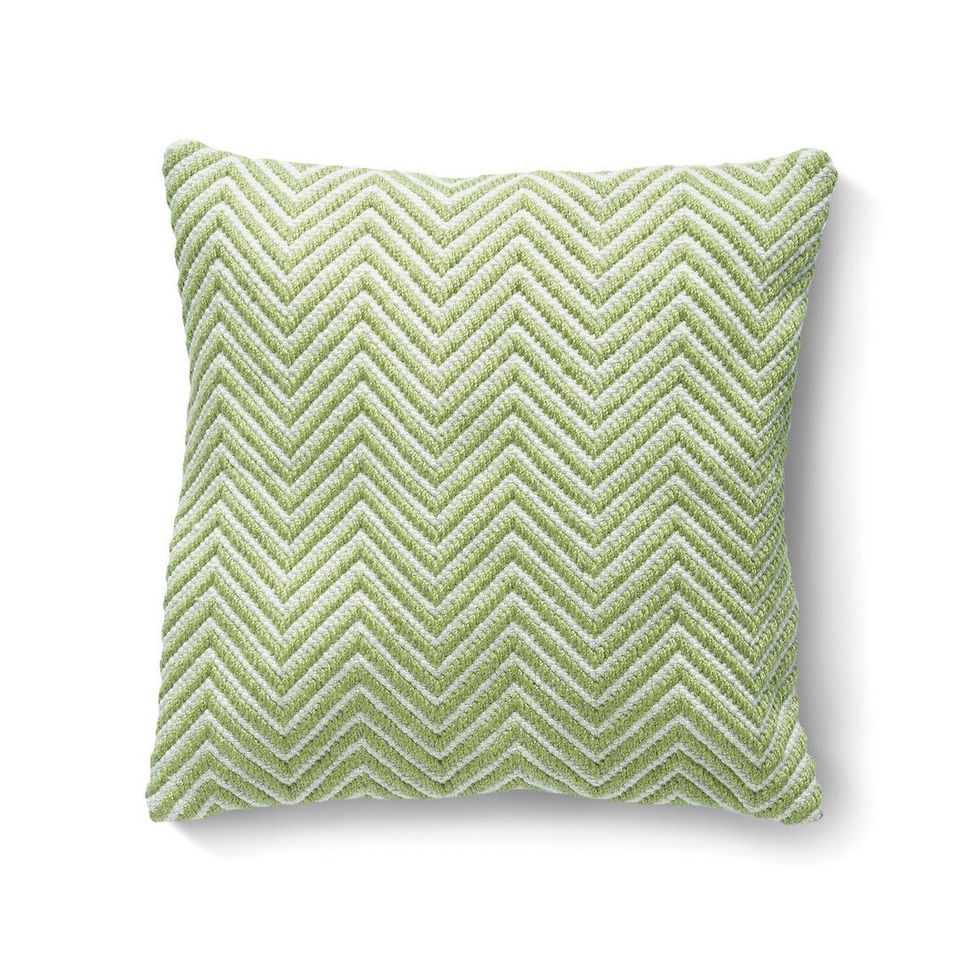
Ideal for both indoor and outdoor spaces, this stylish woven cushion hits the spot. It might be made from recycled plastic bottles, but it has a cosy softness to it.
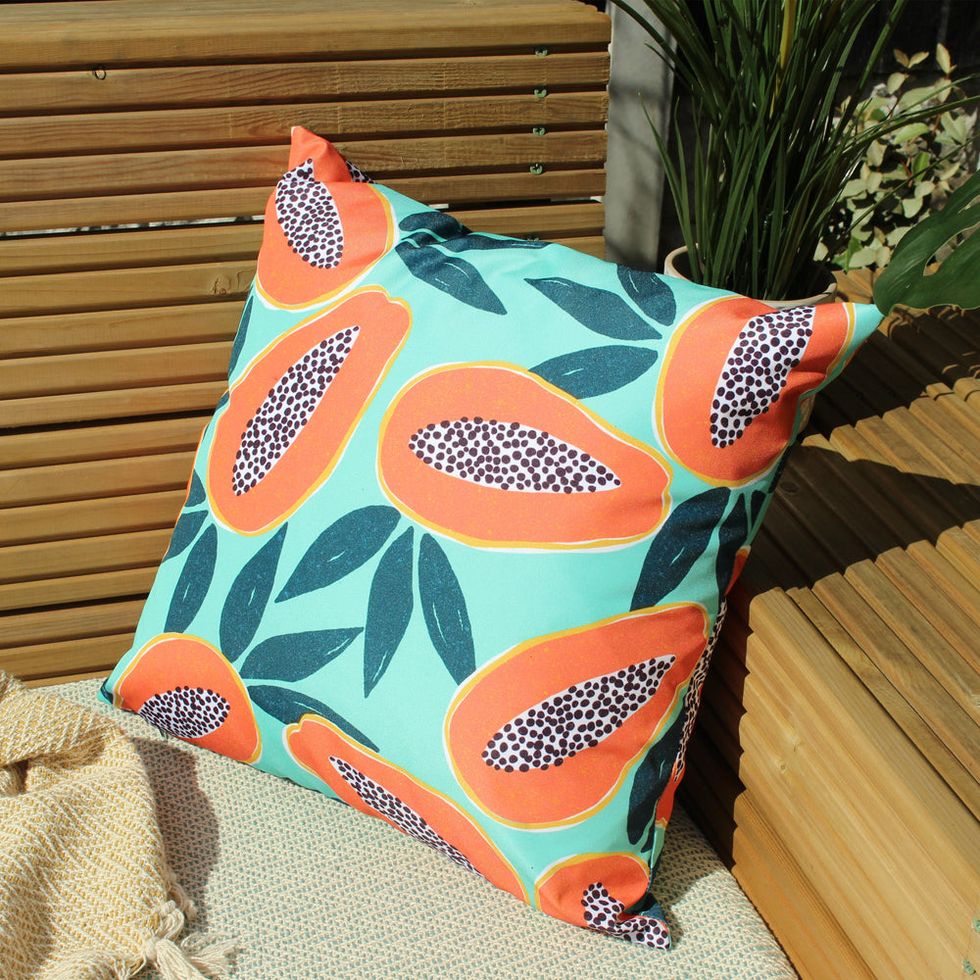
Bring a playful touch to your outdoor decor with this orange and blue garden cushion from furn.com. We love the fun papaya print, which brings a feeling of summer holidays to the garden.

You can't go wrong with stripes. With a water-repellent cotton canvas suitable for outdoor use, it boasts a bold block stripe print and is available in various colours.
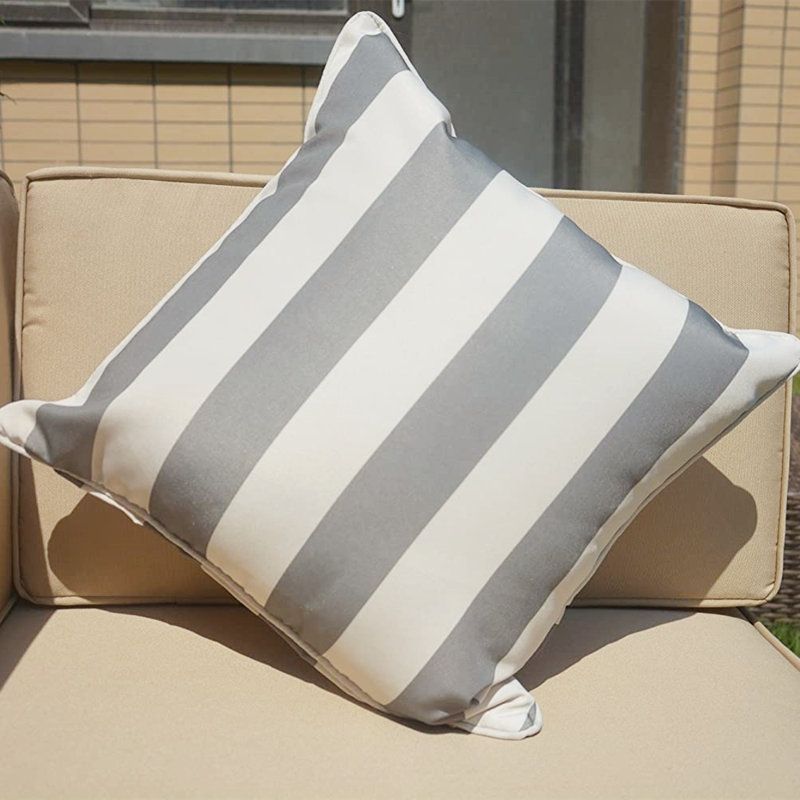
If you're not sure what colour or pattern to go for, you can never go wrong with stripes in neutral shades. This white/grey cushion cover will provide an effortless update.
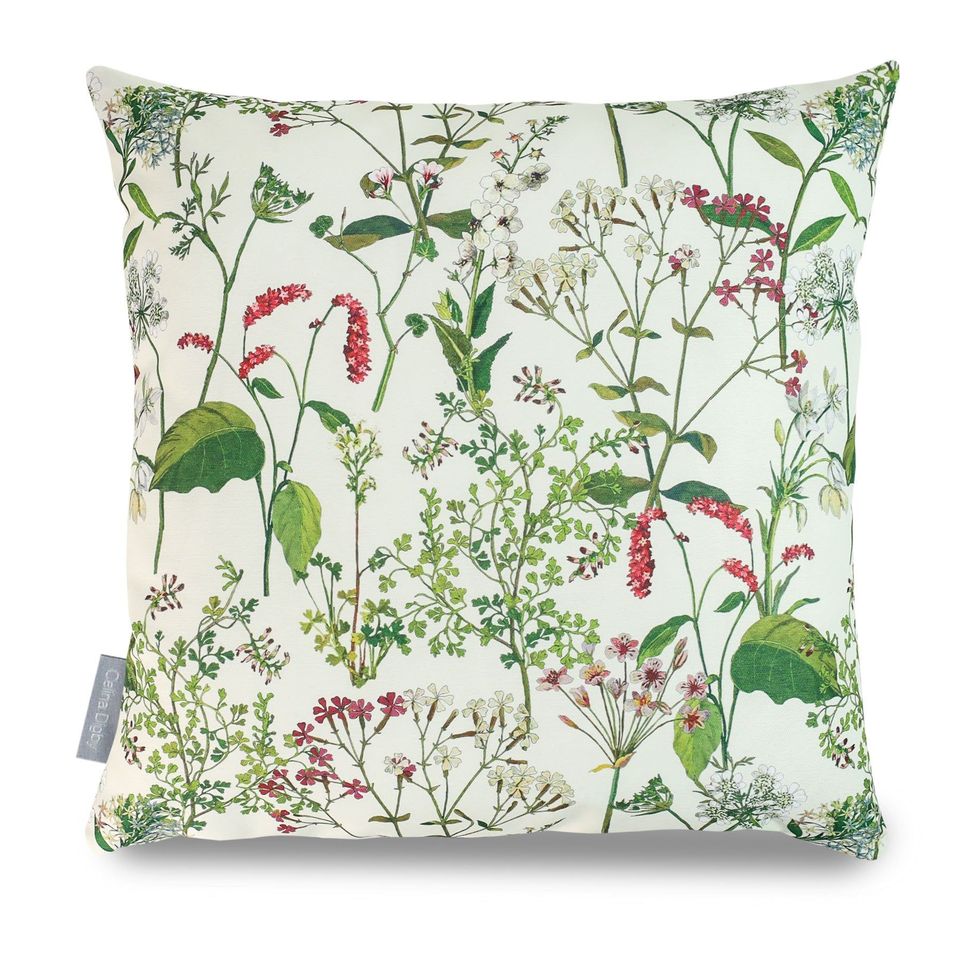
This waterproof garden cushion is perfect for your outdoor space. Thanks to its anti-fungal coating and waterproof lining, it's brilliant for alfresco dining. Barbecue at home, anyone?

Dreaming of warmer climes? Brighten up your outdoor space with these playful cushions, complete with a matching bold orange reverse, standard knife edging and a hidden zip closure.

We love the ruffled edge and large stripes on this statement cushion from Dunelm. Thanks to its water-resistant coating, you don't need to worry if you leave it outside.

In on-trend brown and white, this outdoor cushion features a fun frilly edge and shower-resistant fabric. Pop on your outdoor sofa or hanging egg chair for extra comfort.