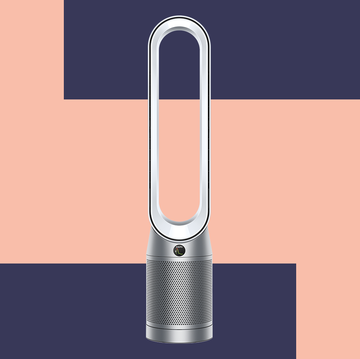
Struggling to keep cool during the heatwave? Whether you're working from home or trying to sleep soundly, a cooling fan is a go-to during hot weather.
Fans don't produce cold air, but rather, they circulate the air, which creates a cooling effect from the breeze.
'The key to getting the most out of a fan lies in understanding how they actually work,' explains Matt Ladell, Brand Manager at Duux. 'Many people think a fan will lower the temperature of a room, but in reality, it's the airflow that creates a cooling effect. With that in mind, a few simple adjustments can make a dramatic difference to comfort during hot weather.'
A good-quality fan combined with some easy tricks (as simple as using a bucket of ice) can help to cool your room even more. Here are four expert-approved fan tricks to try during a heatwave...
More heatwave advice:
- These 7 heatwave mistakes could be making your home look run-down
- How to keep your house cool without air conditioning: 6 simple tricks to try
- These 5 decorating mistakes could make your home feel even hotter during the heatwave
1. Create a crosswind
The first expert tip combines the use of a fan with natural ventilation: all you have to do is create a crosswind to get the hot air out and the cool air in.
'First, keep your windows, doors, and blinds shut during the day to avoid the hot sun beating down into your house. Then, during the evening, open your windows and place one fan facing out of your window, so it pushes the heat out,' advise the experts at the Good Housekeeping Institute (GHI). 'Use a second fan, placed inwards, to circulate cool air into the room.'

Les Roberts, energy expert at Bionic, says not only will this simple trick make a noticeable difference, but it'll save on costs too. 'This approach is energy-efficient and can significantly cool your living space without air conditioning by exchanging hot indoor air for cooler outdoor air through natural ventilation enhanced by fans.
'On average, portable air-conditioning units cost around £8.40 to run per day, whereas a fan could cost you as little as 71p. By utilising a fan to its full advantage with this hack and forfeiting air con, households could save nearly £55 a week.'


2. Use a bucket of ice
Here's another simple trick: place a bucket of ice in front of a fan.
Matt says: 'While fans don't actively lower the temperature of a room, there are small adjustments that can make them feel more effective. Placing a bowl of ice or cold water in front of a fan can help create a cooler breeze as air passes over it. Running your fan strategically throughout the day, rather than only when a room feels too warm, can help maintain a more stable and comfortable environment.'
3. Freeze bottles
This method is particularly 'favoured' by the GHI. All you have to do is freeze an empty one-litre plastic bottle, place it on a tray and cover it with a damp cloth, then position it in front of your fan. As the air passes over the bottle and cloth, it will circulate a chilled breeze and your room will benefit from the cooler temperature.
4. Hang wet towels near your fan
According to Beatric Flores, a home care expert from Living Pristine, hanging wet towels near your fan can help to draw the heat away from the air. When the water evaporates, it absorbs heat from the surrounding air, which can create a clever cooling effect.
Sleeping during a heatwave


When it comes to getting some kip, bedrooms should ideally be around 16-18°C (60-65°F), explains sleep advisor Lisa Artis from The British Sleep Charity, but if the outside temperature remains higher at nighttime, or your bedroom has retained the heat from the day, it can be difficult to keep cool.
'Rather than directing airflow straight at your face, it's better to position your fan at the foot of the bed or across the room. This allows air to circulate more gently and evenly, avoiding dryness or discomfort. Stronger airflow can be useful when first going to bed, while softer settings are often more comfortable as temperatures drop overnight,' says Matt.
'Noise is another important factor. Fans that are too loud can become a distraction, particularly over long periods. A quieter fan with steady airflow not only improves comfort but can also help create a more relaxing sleep environment.'
If you find that your cooling fan isn't as effective as it should be, there are other tricks you can use that don't involve a fan at all in hot or humid weather. For example, switch to 100 per cent cotton bedsheets (try Soak & Sleep or Dusk), avoid consuming too much caffeine, alcohol, or a big meal before bedtime, and fill your hot water bottle with ice-cold water.
Follow House Beautiful on TikTok , Instagram and Pinterest
The Summer Edit